Department Store
안 V-았어요/었어요
Explanation
Put 안 before the past-tense verb to deny that the action took place.
어제 백화점에 안 갔어요.
I didn’t go to the department store yesterday.
Seemile Korean Book · Department Store · p. 65
Examples in context
저는 어제 박물관에 안 갔어요.
I didn't go to the museum yesterday.
| Word | In this sentence | Meaning |
|---|---|---|
| 저 | 저는 | I |
| 어제 | 어제 | yesterday |
| 박물관 | 박물관에 | museum |
| 안 | 안 | don't |
| 가다 | 갔어요 | go |
저는 그곳에서 카이를 안 만났어요.
I didn't meet Kai there.
| Word | In this sentence | Meaning |
|---|---|---|
| 저 | 저는 | I |
| 그곳 | 그곳에서 | there |
| 카이 | 카이를 | Kai |
| 안 | 안 | don't |
| 만나다 | 만났어요 | meet |
저와 히토미는 에스컬레이터를 안 탔어요.
Hitomi and I didn't take the escalator.
| Word | In this sentence | Meaning |
|---|---|---|
| 저 | 저와 | I |
| 히토미 | 히토미는 | Hitomi |
| 에스컬레이터 | 에스컬레이터를 | escalator |
| 안 | 안 | don't |
| 타다 | 탔어요 | take |
히토미는 바지를 안 샀어요.
Hitomi didn't buy pants.
| Word | In this sentence | Meaning |
|---|---|---|
| 히토미 | 히토미는 | Hitomi |
| 바지 | 바지를 | pants |
| 안 | 안 | don't |
| 사다 | 샀어요 | buy |
우리는 우유를 안 마셨어요.
We didn't drink milk.
| Word | In this sentence | Meaning |
|---|---|---|
| 우리 | 우리는 | We |
| 우유 | 우유를 | milk |
| 안 | 안 | don't |
| 마시다 | 마셨어요 | drink |
Vocabulary
- 저
- I
- 어제
- yesterday
- 박물관
- museum
- 안
- don't
- 가다
- go
- 그곳
- there
- 카이
- Kai
- 만나다
- meet
- 히토미
- Hitomi
- 에스컬레이터
- escalator
- 타다
- take
- 바지
- pants
- 사다
- buy
- 우리
- We
- 우유
- milk
- 마시다
- drink
Practice
- Read one Korean example aloud, then cover it and rebuild the sentence from its meaning.
- Identify the form explained above and compare it with the forms in the word table.
- Change one person, place or object while keeping the grammar and speech level consistent. Check your sentence against the rule.
Vocabulary check
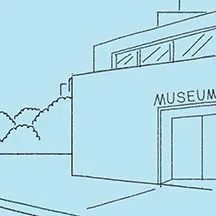
- 백화점
- 박물관
- 치마
- 어제
Show answer
2. 박물관
Vocabulary check
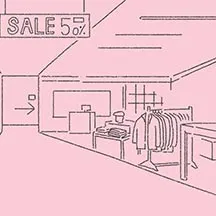
- 커피
- 치마
- 박물관
- 그곳
Show answer
4. 그곳
Book exercises: p. 71. The online scene quizzes above are separate practice.
Video lesson
Past tenses V-았어요/었어요, 안 V-았어요/었어요, V-지 않았어요, V-았어요/었어요?
YouTube · 28:46Related lessons
- V-았어요/었어요 — Use 았어요 after ㅏ or ㅗ in the stem and 었어요 otherwise. 하다 becomes 했어요.
- V-지 않았어요 — Attach 지 않았어요 to the verb stem for long past negation.
- V-았어요/었어요? — Use the polite past form with a question mark or questioning intonation to ask whether something happened.
- N을/를 — Use 을 after a final consonant and 를 after a vowel to mark the direct object.