Room
위, 아래
Explanation
Put 위 or 아래 after the reference noun. Add 에 for the position of something that exists.
책상 위에 책이 있어요.
There’s a book on the desk.
Seemile Korean Book · Room · p. 114
Form and use
Examples in context
탁자 위에 까만색 컴퓨터가 있어요.
There is a black computer on the table.
| Word | In this sentence | Meaning |
|---|---|---|
| 탁자 | 탁자 | table |
| 위 | 위에 | on |
| 까만색 | 까만색 | black |
| 컴퓨터 | 컴퓨터가 | computer |
| 있다 | 있어요 | be |
식탁 위에 예쁜 컵이 있어요.
There is a pretty cup on the dining table.
| Word | In this sentence | Meaning |
|---|---|---|
| 식탁 | 식탁 | dining table |
| 위 | 위에 | on |
| 예쁘다 | 예쁜 | pretty |
| 컵 | 컵이 | cup |
| 있다 | 있어요 | be |
탁자 아래에 작은 고양이가 있어요.
There is a small cat under the table.
| Word | In this sentence | Meaning |
|---|---|---|
| 탁자 | 탁자 | table |
| 아래 | 아래에 | under |
| 작다 | 작은 | small |
| 고양이 | 고양이가 | cat |
| 있다 | 있어요 | be |
식탁 아래에 귀여운 강아지가 있어요.
There is a cute puppy under the dining table.
| Word | In this sentence | Meaning |
|---|---|---|
| 식탁 | 식탁 | dining table |
| 아래 | 아래에 | under |
| 귀엽다 | 귀여운 | cute |
| 강아지 | 강아지가 | puppy |
| 있다 | 있어요 | be |
Vocabulary
- 탁자
- table
- 위
- on
- 까만색
- black
- 컴퓨터
- computer
- 있다
- be
- 식탁
- dining table
- 예쁘다
- pretty
- 컵
- cup
- 아래
- under
- 작다
- small
- 고양이
- cat
- 귀엽다
- cute
- 강아지
- puppy
Practice
- Read one Korean example aloud, then cover it and rebuild the sentence from its meaning.
- Identify the form explained above and compare it with the forms in the word table.
- Change one person, place or object while keeping the grammar and speech level consistent. Check your sentence against the rule.
Vocabulary check

- 아래
- 오른쪽
- 위
- 왼쪽
Show answer
3. 위
Vocabulary check
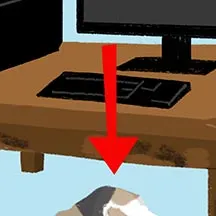
- 오른쪽
- 위
- 왼쪽
- 아래
Show answer
4. 아래
Book exercises: p. 120. The online scene quizzes above are separate practice.
Video lesson
Location Words: 위, 아래, 옆, 사이, 안/밖, 가운데, 앞/뒤, 오른쪽/왼쪽
YouTube · 15:09Related lessons
- 옆, 사이 — 옆 means beside. Use A와/과 B 사이 for between A and B.
- 안/밖, 가운데 — Use 안, 밖 and 가운데 after a reference noun to describe the inside, outside and middle.
- 앞/뒤, 오른쪽/왼쪽 — Use 앞/뒤 for front/behind and 오른쪽/왼쪽 for right/left. The reference noun goes first.