Las cosas que hacer
~(으)ㄹ 줄 알아요/몰라요
Explicación
Se une ‘∼(으)ㄹ 줄 알아요/몰라요’ (saber/no saber hacer) a un verbo para indicar si hay una capacidad o no.
• 을 줄 알아요/몰라요 : Se lo usa para la raíz que termina con consonante soporte, excepto ‘ㄹ’.[존은 사과를 깎을 줄 알아요.]
• ㄹ 줄 알아요/몰라요 : Se lo usa para la raíz que termina con la consonante soporte ‘ㄹ’ o con vocal.[아람은 피자를 만들 줄 알아요./히토미는 운전할 줄 몰라요.]
* infinitivo : 을 줄 알다/모르다, ㄹ 줄 알다/모르다
수영할 줄 알아요.
I know how to swim.
Seemile Korean Book · Las cosas que hacer · p. 237
Form and use
-(으)ㄹ 줄 알아요: know HOW to (a skill). -(으)ㄹ 줄 몰라요: don't know how to. Different from -(으)ㄹ 수 있다 (possibility).
| Condition | Form | Example |
|---|---|---|
| 받침 X / ㄹ | V 어간 + ㄹ 줄 알아요/몰라요 | 갈 줄 알아요 · 할 줄 몰라요 |
| 받침 O | V 어간 + 을 줄 알아요/몰라요 | 먹을 줄 알아요 · 읽을 줄 몰라요 |
수영할 줄 알아요?
Do you know how to swim?
저는 운전할 줄 몰라요
I don't know how to drive
Ejemplos en contexto
아람이는 피자를 만들 줄 알아요.
Aram sabe hacer pizza.
| Word | In this sentence | Meaning |
|---|---|---|
| 아람 | 아람이는 | Aram |
| 피자 | 피자를 | pizza |
| 만들다 | 만들 줄 | hacer |
| 알다 | 알아요 | saber |
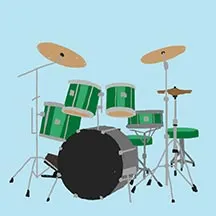
카이는 드럼을 칠 줄 알아요.
Kai sabe tocar el tambol.
| Word | In this sentence | Meaning |
|---|---|---|
| 카이 | 카이는 | Kai |
| 드럼 | 드럼을 | tambol |
| 치다 | 칠 줄 | tocar |
| 알다 | 알아요 | saber |
히토미는 운전할 줄 몰라요.
Hitomi no sabe manejar el vehículo.
| Word | In this sentence | Meaning |
|---|---|---|
| 히토미 | 히토미는 | Hitomi |
| 운전하다 | 운전할 줄 | manejar el vehículo |
| 모르다 | 몰라요 | no saber |
존은 라면을 끓일 줄 몰라요.
John no sabe preparar el ramen.
| Word | In this sentence | Meaning |
|---|---|---|
| 존 | 존은 | John |
| 라면 | 라면을 | ramen |
| 끓이다 | 끓일 줄 | preparar |
| 모르다 | 몰라요 | no saber |
Vocabulario
- 아람
- Aram
- 피자
- pizza
- 만들다
- hacer
- 알다
- saber
- 카이
- Kai
- 드럼
- tambol
- 치다
- tocar
- 히토미
- Hitomi
- 운전하다
- manejar el vehículo
- 모르다
- no saber
- 존
- John
- 라면
- ramen
- 끓이다
- preparar
Práctica
- Read one Korean example aloud, then cover it and rebuild the sentence from its meaning.
- Identify the form explained above and compare it with the forms in the word table.
- Change one person, place or object while keeping the grammar and speech level consistent. Check your sentence against the rule.
Vocabulary check

- 사진
- 열쇠
- 피자
- 찾다
Ver respuesta
3. 피자
Vocabulary check
- 치다
- 알다
- 드럼
- 고치다
Ver respuesta
3. 드럼
Book exercises: p. 241. The online scene quizzes above are separate practice.
Videoclase
V-(으)ㄹ 수 있어요/없어요, V-(으)ㄹ 줄 알아요/몰라요, 잘해요/잘 못해요, V-기가 싫어요
YouTube · 15:15Lecciones relacionadas
- ~(으)ㄹ 수 있어요/없어요 — Se une ‘∼(으)ㄹ 수 있어요/없어요’ (poder/no poder) a un verbo para indicar si algo es posible o no. • 을 수 있어요/없어요 : Se lo usa para la raíz que termina con consonante soporte, excepto ‘ㄹ’.[존은 멋있는 사진을 찍을 수 있어요./로한은 열쇠를 찾을 수 없었어요.] • ㄹ 수 있어요/없어요 : Se lo usa para la raíz que termina con la consonante soporte ‘ㄹ’ o con vocal.[아람은 무거운 것도 들 수 있어요./카이는 컴퓨터를 고칠 수 없어요.] * infinitivo : 을 수 있다/없다, ㄹ 수 있다/없다
- 잘해요/잘 못해요 — ‘잘해요’ (hacer bien) significa que es bueno para hacer algo. ‘잘 못하다’ (no hacer bien) significa que no es bueno para hacer algo. • 존은 설거지를 잘해요. • 로한은 정리정돈을 잘 못해요. * infinitivo : 잘하다
- ~기가 싫어요/기가 힘들어요 — Se une ‘∼기가 싫어요’ (no querer hacer) a un verbo para indicar que no se quiere hacer algo. Se une ‘∼기가 힘들어요’ (le cuesta) a un verbo para indicar que le cuesta hacer algo. • 아람은 아침에 출근하기가 싫었어요. • 히토미는 바람 때문에 걷기가 힘들어요. * infinitivo : 기가 싫다/기가 힘들다