La experiencia
~게 돼요
Explicación
Se une ‘∼게 돼요’ (hacerse) a un verbo para indicar que una situación o acción está cambiando a otra.
• 아람은 존 덕분에 주차를 잘하게 되었어요.
• 히토미는 열이 높아서 병원에 입원하게 되었어요.
* infinitivo : 게 되다
한국에서 일하게 됐어요.
I ended up working in Korea.
Seemile Korean Book · La experiencia · p. 246
Ejemplos en contexto
아람이는 존 덕분에 주차를 /잘하게 됐어요.
Aram se volvió aparcar bien por ayuda de John.
| Word | In this sentence | Meaning |
|---|---|---|
| 아람 | 아람이는 | Aram |
| 존 | 존 | John |
| 덕분 | 덕분에 | por |
| 주차 | 주차를 | aparcar |
| 잘하다 | 잘하게 | hacer bien |
| 되다 | 됐어요 | volverse |
히토미는 열이 높아서 /병원에 입원하게 됐어요.
Hitomi se volvió ingresar en un hospital por fiebre alta.
| Word | In this sentence | Meaning |
|---|---|---|
| 히토미 | 히토미는 | Hitomi |
| 열 | 열이 | fiebre |
| 높다 | 높아서 | alto |
| 병원 | 병원에 | hospital |
| 입원하다 | 입원하게 | ingresar |
| 되다 | 됐어요 | volverse |
카이는 요리 프로그램에 /출연하게 됐어요.
Kai se volvió intervenir en un programa de cocinar.
| Word | In this sentence | Meaning |
|---|---|---|
| 카이 | 카이는 | Kai |
| 요리 | 요리 | cocina |
| 프로그램 | 프로그램에 | programa |
| 출연하다 | 출연하게 | intervenir |
| 되다 | 됐어요 | volverse |
로한은 축구팀 주장을 맡게 됐어요.
Rohan se volvió ser un cápitan del equipo de fútbol.
| Word | In this sentence | Meaning |
|---|---|---|
| 로한 | 로한은 | Rohan |
| 축구팀 | 축구팀 | equipo de fútbol |
| 주장 | 주장을 | cápitan |
| 맡다 | 맡게 | ser |
| 되다 | 됐어요 | volverse |
Vocabulario
- 아람
- Aram
- 존
- John
- 덕분
- por
- 주차
- aparcar
- 잘하다
- hacer bien
- 되다
- volverse
- 히토미
- Hitomi
- 열
- fiebre
- 높다
- alto
- 병원
- hospital
- 입원하다
- ingresar
- 카이
- Kai
- 요리
- cocina
- 프로그램
- programa
- 출연하다
- intervenir
- 로한
- Rohan
- 축구팀
- equipo de fútbol
- 주장
- cápitan
- 맡다
- ser
Práctica
- Read one Korean example aloud, then cover it and rebuild the sentence from its meaning.
- Identify the form explained above and compare it with the forms in the word table.
- Change one person, place or object while keeping the grammar and speech level consistent. Check your sentence against the rule.
Vocabulary check
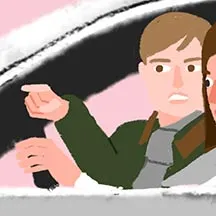
- 주차
- 잘하다
- 덕분
- 되다
Ver respuesta
3. 덕분
Vocabulary check
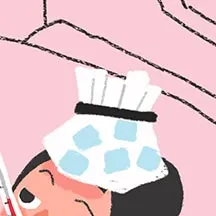
- 높다
- 열
- 병원
- 입원하다
Ver respuesta
2. 열
Book exercises: p. 249. The online scene quizzes above are separate practice.
Videoclase
V-아/어 봐요, V-(으)ㄴ 적이 있어요/없어요, A-아져요/어져요, V-게 됐어요
YouTube · 21:23Lecciones relacionadas
- ~아 보아요/어 보아요 — ‘∼아 보아요/어 보아요’ (probar/tratar) indica probar hacer algo. • 아 보아요 : Se lo usa para la raíz que termina con la vocal ‘ㅏ’ u ‘ㅗ’.[카이는 주말에 제주도에 가 볼 거예요.] • 어 보아요 : Se lo usa para la raíz que termina con una vocal que no sea ‘ㅏ’ ni ‘ㅗ’.[아람은 정원을 가꾸어 보았어요.] * El infinitivo de ’보아요’ es ‘보다’, y es un verbo auxiliar. El verbo auxiliar coreano complementa el significado gramático de un verbo principal por ubicarse después del verbo principal, como ‘있다’(estar haciendo), ‘보다’(probar), ‘주다’(hacer un favor), ‘버리다’(atreverse) etc. • 아람은 정원을 가꾸어 보았어요. • 로한, 불고기를 식탁으로 가져가 주세요. • 해가 지고 있어요.
- ~(으)ㄴ 적이 있어요/없어요 — Se une ‘∼(으)ㄴ 적이 있어요’ a un verbo para indicar que se tiene experiencia de hacer algo, y ‘∼(으)ㄴ 적이 없어요’ indica que no se tiene ninguna experiencia. • 은 적이 있어요 : Se lo usa para la raíz que termina con consonante soporte, excepto ‘ㄹ’.[카이는 한번에 우동을 3그릇 먹은 적이 있어요.] • ㄴ 적이 있어요 : Se lo usa para la raíz que termina con la consonante soporte ‘ㄹ’ o con vocal.[아람은 갈라파고스에 간 적이 있어요.] * infinitivo : 은 적이 있다(없다)/ㄴ 적이 있다(없다)
- ~아져요/어져요 — Se une ‘∼아져요/어져요’ (volverse) a un adjetivo para indicar que su condición está cambiando. • 아져요 : Se lo usa cuando la última sílaba de la raíz de un adjetivo tiene ‘ㅏ’ u ‘ㅗ’[히토미는 맥주를 마시면 얼굴이 빨개져요.] • 어져요 : Se lo usa cuando la última sílaba de la raíz de un adjetivo no tiene ‘ㅏ’ ni ‘ㅗ’[바람이 불면서 날씨가 흐려졌어요.] * infinitivo : 아지다/어지다 * Conjugación irregular ㅎ ① Cuando la desinencia que empieza con '아‘ o ’어‘ se une a varios adjetivos cuyas raíces terminan con ‘ㅎ’, se apocopa 'ㅎ‘ y se cambia la desinencia también. ② Cuando la desinencia que empieza con '으‘ se une a varios adjetivos cuyos cuyas raíces terminan con ‘ㅎ’, se apocopan 'ㅎ‘ y ‘으’ juntos.