La oración
명사+조사
Explicación
La partícula pospositiva se une a un sustantivo pegándose a este.
• 히토미는 지하철을 타고 미술관에 갔어요.
• 히토미는 오랫동안 그림을 쳐다 보았어요.
저는 책을 읽어요.
As for me, I read books.
Seemile Korean Book · La oración · p. 288
Ejemplos en contexto
히토미는 미술관에 갔어요.
Hitomi fue al museo de pinturas.
| Word | In this sentence | Meaning |
|---|---|---|
| 히토미 | 히토미는 | Hitomi |
| 미술관 | 미술관에 | museo de pinturas |
| 가다 | 갔어요 | ir |
히토미는 지하철을 타고 미술관에 갔어요.
Hitomi fue al museo de pinturas con metro.
| Word | In this sentence | Meaning |
|---|---|---|
| 히토미 | 히토미는 | Hitomi |
| 지하철 | 지하철을 | metro |
| 타다 | 타고 | tomar |
| 미술관 | 미술관에 | museo de pinturas |
| 가다 | 갔어요 | ir |
미술관에는 피카소의 /그림이 걸려 있었어요.
La obra de Picasso estaba en museo de pinturas.
| Word | In this sentence | Meaning |
|---|---|---|
| 미술관 | 미술관에는 | museo de pinturas |
| 피카소 | 피카소의 | picasso |
| 그림 | 그림이 | obra |
| 걸려 있다 | 걸려 있었어요 | colgando |
히토미는 오랫동안 그림을 쳐다보았어요.
Hitomi miraba la obra por mucho tiempo.
| Word | In this sentence | Meaning |
|---|---|---|
| 히토미 | 히토미는 | Hitomi |
| 오랫동안 | 오랫동안 | por mucho tiempo |
| 그림 | 그림을 | obra |
| 쳐다보다 | 쳐다보았어요 | mirar |
Vocabulario
- 히토미
- Hitomi
- 미술관
- museo de pinturas
- 가다
- ir
- 지하철
- metro
- 타다
- tomar
- 피카소
- picasso
- 그림
- obra
- 걸려 있다
- colgando
- 오랫동안
- por mucho tiempo
- 쳐다보다
- mirar
Práctica
- Read one Korean example aloud, then cover it and rebuild the sentence from its meaning.
- Identify the form explained above and compare it with the forms in the word table.
- Change one person, place or object while keeping the grammar and speech level consistent. Check your sentence against the rule.
Vocabulary check
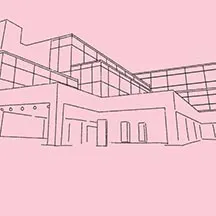
- 백화점
- 스키장
- 미술관
- 수영장
Ver respuesta
3. 미술관
Vocabulary check
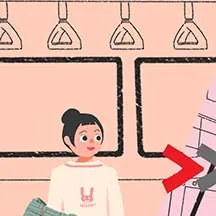
- 자동차
- 지하철
- 미술관
- 수영장
Ver respuesta
2. 지하철
Book exercises: p. 291. The online scene quizzes above are separate practice.
Videoclase
Word Order, Modifier, Postpositional Particle, Ellipsis
YouTube · 14:43Lecciones relacionadas
- 주어+서술어 — En la estructura de la oración coreana, el sujeto viene antes del predicado. Se ubica el objeto entre el sujeto y el predicado. Entonces el orden es: el sujeto + el objeto + el predicado. • 아람이(el sujeto) 창문을(el objeto) 열어요.(el predicado) • 아람이(el sujeto) 세수를(el objeto) 해요.(el predicado)
- 수식 — El modificador viene antes de la modificada en coreano.
- 생략 — Se puede omitir la partícula pospositiva nominativa y la objetiva en coreano si se sabe cuál es el sujeto y el objeto en una oración claramente. • 나(가) 왔어요. 문(을) 열어요. Se puede omitir el sujeto si se sabe cuál es el sujeto en una oración claramente, aunque no lo mencione. • 카이가 만든 만두인데요, (내가) 먹어보니 맛있어요. • 아람, 아이스크림(을) 먹을래요? 아니요, (나는) 배(가) 불러요. e puede omitir el objeto si se sabe cuál es el objeto en una oración claramente, aunque no lo mencione. • 카이, 그 영화(를) 봤어요? • 아니요, 아직 (그 영화를) 못 봤어요.