El cine
~았어요?/었어요?
Explicación
La oración interrogativa tiene la misma forma de una oración declarativa, pero la entonación es diferente. Para hacer la expresión informal, se necesita omitir la última sílaba '요‘.
• 저 영화관은 작았어요?
• 영화관에 사람들이 안 많았어요?
영화가 재미있었어요?
Was the movie interesting?
Seemile Korean Book · El cine · p. 75
Ejemplos en contexto
저 영화관은 작았어요? /네, 영화관이 작았어요.
¿Ese cine era pequeño? Sí, el cine era pequeño.
| Word | In this sentence | Meaning |
|---|---|---|
| 저 | 저 | ese |
| 영화관 | 영화관은 | cine |
| 작다 | 작았어요? | pequeño(a) |
| 네 | 네 | sí |
| 영화관 | 영화관이 | cine |
| 작다 | 작았어요 | pequeño(a) |
영화관에 사람들이 안 많았어요? /아니요, 영화관에 사람들이 많았어요.
¿No había mucha gente en cine? No, había mucha gente en cine.
| Word | In this sentence | Meaning |
|---|---|---|
| 영화관 | 영화관에 | cine |
| 사람들 | 사람들이 | gente |
| 안 | 안 | no |
| 많다 | 많았어요? | mucho(a) |
| 아니 | 아니요 | no |
| 영화관 | 영화관에 | cine |
| 사람들 | 사람들이 | gente |
| 많다 | 많았어요 | mucho(a) |
아람 씨는 팝콘이 싫었어요? /네, 저는 팝콘이 싫었어요.
¿A Aram no te gustaron las palomitas? Sí, no me gustaron las palomitas.
| Word | In this sentence | Meaning |
|---|---|---|
| 아람 | 아람 씨는 | Aram |
| 팝콘 | 팝콘이 | palomitas |
| 싫다 | 싫었어요? | no gustar |
| 네 | 네 | Sí |
| 저 | 저는 | yo |
| 팝콘 | 팝콘이 | palomitas |
| 싫다 | 싫었어요 | no gustar |
영화관 의자가 안 낮았어요? /아니요, 의자가 낮았어요.
¿No era baja la silla del cine? Sí, la silla era baja.
| Word | In this sentence | Meaning |
|---|---|---|
| 영화관 | 영화관 | cine |
| 의자 | 의자가 | silla |
| 안 | 안 | no |
| 낮다 | 낮았어요? | bajo(a) |
| 아니 | 아니요 | no |
| 의자 | 의자가 | silla |
| 낮다 | 낮았어요 | bajo(a) |
Vocabulario
- 저
- yo
- 영화관
- cine
- 작다
- pequeño(a)
- 네
- Sí
- 사람들
- gente
- 안
- no
- 많다
- mucho(a)
- 아니
- no
- 아람
- Aram
- 팝콘
- palomitas
- 싫다
- no gustar
- 의자
- silla
- 낮다
- bajo(a)
Práctica
- Read one Korean example aloud, then cover it and rebuild the sentence from its meaning.
- Identify the form explained above and compare it with the forms in the word table.
- Change one person, place or object while keeping the grammar and speech level consistent. Check your sentence against the rule.
Vocabulary check

- 팝콘
- 사람
- 영화관
- 의자
Ver respuesta
3. 영화관
Vocabulary check
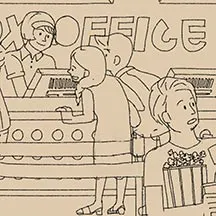
- 사람들
- 의자
- 팝콘
- 영화
Ver respuesta
1. 사람들
Book exercises: p. 77. The online scene quizzes above are separate practice.
Videoclase
Past tenses A-았어요/었어요, 안 A-았어요/었어요, A-지 않았어요, A-았어요/었어요?
YouTube · 18:45Lecciones relacionadas
- ~았어요?/었어요? — ∼았어요/었어요‘ es la desinencia para formar el pretérito de un adjetivo. Para hacer la expresión informal, se necesita omitir la última sílaba '요‘. • 았어요 : Se lo usa cuando la última sílaba de la raíz de un adjetivo tiene ‘ㅏ’ u ‘ㅗ’[저 영화관은 작았어요.] • 었어요 : Se lo usa cuando la última sílaba de la raíz de un adjetivo no tiene ‘ㅏ’ ni ‘ㅗ’[나는 팝콘이 싫었어요.]
- 안 ~았어요/었어요 — Se puede formar el pretérito de una oración negativa ubicando ‘안’ antes del pretérito de un adjetivo. Para hacer la expresión informal, se necesita omitir la última sílaba '요‘. • 저 영화관은 안 작았어요. • 영화관에 사람들이 안 많았어요.
- ~지 않았어요 — Se puede formar la oración negativa uniendo '∼지 않았어요‘ a la raíz de un adjetivo, o sea se lo ubica en lugar de '다‘ en el infinitivo de un adjetivo. Tiene el mismo significado que ’안 '∼았어요/었어요‘. Para hacer la expresión informal, se necesita omitir la última sílaba '요‘. • 저 영화관은 작지 않았어요. • 영화관에 사람들이 많지 않았어요. * Binfinitivo : 지 않다