El cumpleaños
~지 않을 거예요
Explicación
Se forma la oración negativa uniendo ‘∼지 않을 거예요’ a la raíz de un verbo. Para hacer la expresión informal, se necesita usar '∼지 않을 거야‘, como '히토미는 친구들을 초대하지 않을 거야’ (Hitomi no va a invitar a sus amigos).
• 나는 친구들을 초대하지 않을 거예요.
• 나는 스시를 만들지 않을 거예요.
* Binfinitivo : 지 않다
오늘은 늦게 자지 않을 거예요.
I’m not going to go to bed late today.
Seemile Korean Book · El cumpleaños · p. 80
Ejemplos en contexto
저는 친구들을 초대하지 않을 거예요.
No voy a invitar a mis amigos.
| Word | In this sentence | Meaning |
|---|---|---|
| 저 | 저는 | yo |
| 친구들 | 친구들을 | amigos |
| 초대하다 | 초대하지 | invitar |
| 않다 | 않을 | no |
| 거다 | 거예요 | ir a |
저는 스시를 만들지 않을 거예요.
No voy a hacer sushi.
| Word | In this sentence | Meaning |
|---|---|---|
| 저 | 저는 | yo |
| 스시 | 스시를 | sushi |
| 만들다 | 만들지 | hacer |
| 않다 | 않을 | no |
| 거다 | 거예요 | ir a |
아람이가 케이크를 가져오지 않을 거예요.
Aram no va a traer el pastel.
| Word | In this sentence | Meaning |
|---|---|---|
| 아람 | 아람이가 | Aram |
| 케이크 | 케이크를 | pastel |
| 가져오다 | 가져오지 | traer |
| 않다 | 않을 | no |
| 거다 | 거예요 | ir a |
카이가 저를 도와주지 않을 거예요.
Kai no me va a ayudar.
| Word | In this sentence | Meaning |
|---|---|---|
| 카이 | 카이가 | Kai |
| 저 | 저를 | yo(me) |
| 도와주다 | 도와주지 | ayudar |
| 않다 | 않을 | no |
| 거다 | 거예요 | ir a |
로한이 꽃을 선물하지 않을 거예요.
Rohan no me va a regalar las flores.
| Word | In this sentence | Meaning |
|---|---|---|
| 로한 | 로한이 | Rohan |
| 꽃 | 꽃을 | flor |
| 선물하다 | 선물하지 | regalar |
| 않다 | 않을 | no |
| 거다 | 거예요 | ir a |
Vocabulario
- 저
- yo(me)
- 친구들
- amigos
- 초대하다
- invitar
- 않다
- no
- 거다
- ir a
- 스시
- sushi
- 만들다
- hacer
- 아람
- Aram
- 케이크
- pastel
- 가져오다
- traer
- 카이
- Kai
- 도와주다
- ayudar
- 로한
- Rohan
- 꽃
- flor
- 선물하다
- regalar
Práctica
- Read one Korean example aloud, then cover it and rebuild the sentence from its meaning.
- Identify the form explained above and compare it with the forms in the word table.
- Change one person, place or object while keeping the grammar and speech level consistent. Check your sentence against the rule.
Vocabulary check

- 만들다
- 도와주다
- 가져오다
- 초대하다
Ver respuesta
4. 초대하다
Vocabulary check
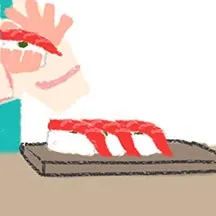
- 꽃
- 케이크
- 초대하다
- 스시
Ver respuesta
4. 스시
Book exercises: p. 83. The online scene quizzes above are separate practice.
Videoclase
Future Tense V-(으)ㄹ 거예요, 안 V-(으)ㄹ 거예요, V-(으)ㄹ 거예요?
YouTube · 20:49Lecciones relacionadas
- (으)ㄹ ~거예요 — Se puede formar el futuro uniendo ‘∼(으)ㄹ 거예요’ a la raíz de un verbo. Para hacer la expresión informal, se usa '∼(으)ㄹ 거야‘, como '히토미는 친구들을 초대할 거야’ (Hitomi va a invitar a sus amigos). • 을 거예요 : Se lo usa para la raíz que termina con consonante soporte, excepto ‘ㄹ’[히토미가 빵을 먹을 거예요.] • ㄹ 거예요 : Se lo usa para la raíz que termina con la consonante soporte ‘ㄹ’ o con vocal.[히토미는 친구들을 초대할 거예요.] * Binfinitivo : 을 거다/ㄹ 거다
- 안 ~(으)ㄹ거예요 — Se forma la oración negativa ubicando ‘안’ antes de un verbo. Para hacer la expresión informal, se necesita usar '∼(으)ㄹ 거야‘, como '히토미는 친구들을 초대 안 할 거야’ (Hitomi no va a invitar a sus amigos). • 나는 친구들을 초대 안 할 거예요. • 나는 스시를 안 만들 거예요. * Binfinitivo : 안 ~을 거다/안 ~ㄹ 거다 En los verbos que tienen la estructura de un sustantivo con '하다‘, como '초대하다 (invitar)’, ‘선물하다 (regalar)’, se necesita ubicar ’안‘ antes del verbo ’하다‘ para hacer la oración negativa.
- ~(을)ㄹ거예요? — La oración interrogativa tiene la misma forma de una oración declarativa, pero la entonación es diferente. Para hacer la expresión informal, se necesita usar '∼(으)ㄹ 거야‘. • 히토미, 친구들을 초대할 거예요? • 히토미, 스시를 안 만들 거예요?