El parque de atracciones
안 ~아해요/어해요, 지 않아요
Explicación
Se puede formar el negativo ubicando '안‘ antes de un adjetivo. Y se puede formar el negativo de '∼아해요/어해요' usando '∼지 않아요’.
• 아람은 바이킹을 안 좋아해요.
• 로한은 놀이 동산을 싫어하지 않아요.
동생은 놀이공원을 좋아하지 않아요.
My younger sibling doesn’t like amusement parks.
Seemile Korean Book · El parque de atracciones · p. 129
Ejemplos en contexto
아람이는 바이킹을 안 좋아해요.
A Aram no le gusta viking.
| Word | In this sentence | Meaning |
|---|---|---|
| 아람 | 아람이는 | Aram |
| 바이킹 | 바이킹을 | viking |
| 안 | 안 | no |
| 좋아하다 | 좋아해요 | gustar |
히토미는 회전목마를 안 지겨워해요.
A Hitomi no le aburre del tiovivo.
| Word | In this sentence | Meaning |
|---|---|---|
| 히토미 | 히토미는 | Hitomi |
| 회전목마 | 회전목마를 | tiovivo |
| 안 | 안 | no |
| 지겨워하다 | 지겨워해요 | aburrir |
카이는 롤러코스터를 무서워하지 않아요.
Kai no tiene miedo de montaña rusa.
| Word | In this sentence | Meaning |
|---|---|---|
| 카이 | 카이는 | Kai |
| 롤러코스터 | 롤러코스터를 | montaña rusa |
| 무서워하다 | 무서워하지 | tener miedo |
| 않다 | 않아요 | no |
로한은 놀이동산을 싫어하지 않아요.
A Rohan no le disgusta parque de atracciones.
| Word | In this sentence | Meaning |
|---|---|---|
| 로한 | 로한은 | Rohan |
| 놀이동산 | 놀이동산을 | parque de atracciones |
| 싫어하다 | 싫어하지 | disgustar |
| 않다 | 않아요 | no |
Vocabulario
- 아람
- Aram
- 바이킹
- viking
- 안
- no
- 좋아하다
- gustar
- 히토미
- Hitomi
- 회전목마
- tiovivo
- 지겨워하다
- aburrir
- 카이
- Kai
- 롤러코스터
- montaña rusa
- 무서워하다
- tener miedo
- 않다
- no
- 로한
- Rohan
- 놀이동산
- parque de atracciones
- 싫어하다
- disgustar
Práctica
- Read one Korean example aloud, then cover it and rebuild the sentence from its meaning.
- Identify the form explained above and compare it with the forms in the word table.
- Change one person, place or object while keeping the grammar and speech level consistent. Check your sentence against the rule.
Vocabulary check
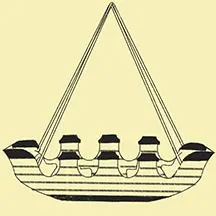
- 바이킹
- 회전목마
- 롤러코스터
- 놀이동산
Ver respuesta
1. 바이킹
Vocabulary check

- 무서워하다
- 싫어하다
- 지겨워하다
- 좋아하다
Ver respuesta
3. 지겨워하다
Book exercises: p. 133. The online scene quizzes above are separate practice.
Videoclase
A해요, 안 A해요, A하지 않아요, A했어요, A해요?
YouTube · 18:51Lecciones relacionadas
- ~아해요/어해요(형용사+하다) — Se puede formar el verbo uniendo ‘∼아해요/∼어해요’ a la raíz de un adjetivo. El infinitivo de ‘∼아해요/어해요’ es ‘∼아하다/∼어하다’. Para hacer la expresión formal, se une la terminación ‘여요’ a la raíz '하∼. Pero usualmente se usa '해요‘ que es la abreviatura de ‘하여요’. • 아해요 : Se lo usa cuando la última sílaba de la raíz de un adjetivo tiene ‘ㅏ’ u ‘ㅗ’[아람은 바이킹을 좋아해요.] • 어해요 : Se lo usa cuando la última sílaba de la raíz de un adjetivo no tiene ‘ㅏ’ ni ‘ㅗ’[로한은 놀이 동산을 싫어해요.]
- ~아했어요/어했어요 — ‘∼아했어요/∼어했어요’ es el pretérito de ‘∼아해요/∼어해요'. • 아름은 바이킹을 좋아했어요. • 로한은 놀이 동산을 싫어했어요.
- ~아해요?/어해요? — Se puede formar el interrogativo de un adjetivo usando '∼아해요?/어해요?’. • 아람은 바이킹을 좋아해요? • 히토미는 회전목마를 안 지겨워해요?