La casa1
있어요
Explicación
Se usa el verbo ‘있어요 (haber/estar)’ cuando se indica la situación de que alguna cosa o alguien está en algún lugar. El infinitivo de ‘있어요’ es ‘있다’, y ‘있어요’ es la expresión formal. Las expresiones informales son '있다‘, '있어’, como ‘주전자가 있다(Hay una tetera)’, ‘꽃병이 있어(Hay un florero)’.
• 여기에 주전자가 있어요.
• 저기에 의자가 있어요.
거실에 탁자가 있어요.
There’s a table in the living room.
Seemile Korean Book · La casa1 · p. 39
Form and use
이/가 있어요: something exists or is possessed. 이/가 없어요: doesn't exist / don't have.
| Condition | Form | Example |
|---|---|---|
| 존재 | 장소 + 에 + N이/가 있어요 | 방에 컴퓨터가 있어요 |
| 소유 | N이/가 있어요 | 시간이 있어요? |
| 부정 | N이/가 없어요 | 돈이 없어요 |
카이 방에 기타가 있어요
There's a guitar in Kai's room
히토미는 오늘 시간이 없어요
Hitomi has no time today
Ejemplos en contexto
여기에 주전자가 있어요.
Está una tetera aquí.
| Word | In this sentence | Meaning |
|---|---|---|
| 여기 | 여기에 | aquí |
| 주전자 | 주전자가 | tetera |
| 있다 | 있어요 | estar |
저기에 꽃병이 있어요
Está un florero allí.
| Word | In this sentence | Meaning |
|---|---|---|
| 저기 | 저기에 | allí |
| 꽃병 | 꽃병이 | florero |
| 있다 | 있어요 | estar |
저기에 의자가 있어요.
Está una silla allí.
| Word | In this sentence | Meaning |
|---|---|---|
| 저기 | 저기에 | allí |
| 의자 | 의자가 | silla |
| 있다 | 있어요 | estar |
거기에 화분이 있어요.
Está una maceta allí.
| Word | In this sentence | Meaning |
|---|---|---|
| 거기 | 거기에 | allí |
| 화분 | 화분이 | maceta |
| 있다 | 있어요 | estar |
거기에 텔레비전이 있어요.
Está un televisión allí.
| Word | In this sentence | Meaning |
|---|---|---|
| 거기 | 거기에 | allí |
| 텔레비전 | 텔레비전이 | televisión |
| 있다 | 있어요 | estar |
Vocabulario
- 여기
- aquí
- 주전자
- tetera
- 있다
- estar
- 저기
- allí
- 꽃병
- florero
- 의자
- silla
- 거기
- allí
- 화분
- maceta
- 텔레비전
- televisión
Práctica
- Read one Korean example aloud, then cover it and rebuild the sentence from its meaning.
- Identify the form explained above and compare it with the forms in the word table.
- Change one person, place or object while keeping the grammar and speech level consistent. Check your sentence against the rule.
Vocabulary check
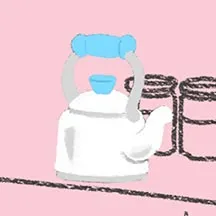
- 주전자
- 식탁
- 냉장고
- 탁자
Ver respuesta
1. 주전자
Vocabulary check
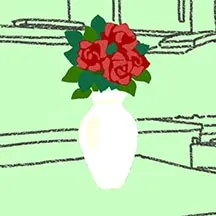
- 소파
- 탁자
- 식탁
- 꽃병
Ver respuesta
4. 꽃병
Book exercises: p. 44. The online scene quizzes above are separate practice.
Videoclase
여기/저기/거기, 이것/저것/그것, N이 있어요/없어요
YouTube · 18:33Lecciones relacionadas
- 여기/저기/거기 — ‘여기’, ‘저기’, ‘거기’ son las palabras que indican lugar. • 여기(aquí, este lugar) : El lugar cerca del hablante[여기는 내 방이에요.] • 저기(allí, allá, en aquella parte, en aquel lugar) : El lugar lejos del hablante[저기는 주방이에요.] • 거기(ese lugar, ese sitio) : El lugar lejos del hablante y cerca del oyente[거기는 욕실이에요.]
- 이것/저것/그것 — ‘이것’, ‘저것’, ‘그것’ son las palabras que indican una cosa. • 이것(este, esto) : La cosa que está cerca del hablante[이것은 냉장고예요.] • 저것(aquel, aquello) : La cosa que está lejos del hablante[저것은 소파예요.] • 그것(ese, eso) : La cosa que está lejos del hablante y cerca del oyente[그것은 책장이에요.]
- 없어요 — Se usa el verbo ‘없어요(No haber/No estar)’ cuando se indica la situación de que no está alguna cosa o alguien. El infinitivo de ‘없어요’ es ‘없다’, y '없어요‘ es la expresión formal. Las expresiones informales son ’없다‘, '없어’, como ‘컵이 없다(No hay vasos / No está el vaso)’, ‘시계가 없어(No hay relojes / No está el reloj)’. • 여기에 컵이 없어요. • 저기에 시계가 없어요.
- 에 — '에‘ (en) es la partícula pospositiva que se une a un sustantivo para indicar el lugar de la cosa o de la persona. • 주방에 냉장고가 있어요 : El refrigerador está en la cocina.