व्यक्तित्व
~(으)ㄴ데/는데
व्याख्या
क्रिया और 있다/없다 के साथ 는데, और अधिकतर विशेषणों के साथ (으)ㄴ데 लगाएँ। यहाँ दोनों भागों में विरोध है।
저는 일찍 자는데 동생은 늦게 자요.
I go to bed early, but my younger sibling goes to bed late.
Seemile Korean Book · व्यक्तित्व · p. 158
संदर्भ में उदाहरण
히토미는 일찍 자는데 존은 늦게 자요.
हितोमी जल्दी सोती है, लेकिन जॉन देर से सोता है।
| Word | In this sentence | Meaning |
|---|---|---|
| 히토미 | 히토미는 | हितोमी |
| 일찍 | 일찍 | जल्दी |
| 자다 | 자는데 | सोने जाना |
| 존 | 존은 | जॉन |
| 늦다 | 늦게 | देर होना |
| 자다 | 자요 | सोने जाना |
로한은 무거운데 아람이는 가벼워요.
रोहन का वज़न ज़्यादा है, लेकिन आराम का वज़न कम है।
| Word | In this sentence | Meaning |
|---|---|---|
| 로한 | 로한은 | रोहन |
| 무겁다 | 무거운데 | भारी होना |
| 아람 | 아람이는 | आराम |
| 가볍다 | 가벼워요 | हल्का |
카이는 빠른데 아람이는 느려요.
काई तेज़ है, लेकिन आराम धीमी है।
| Word | In this sentence | Meaning |
|---|---|---|
| 카이 | 카이는 | काई |
| 빠르다 | 빠른데 | तेज़ होना |
| 아람 | 아람이는 | आराम |
| 느리다 | 느려요 | धीमा होना |
로한은 즐거운데 존은 슬퍼요.
रोहन खुश है, लेकिन जॉन उदास है।
| Word | In this sentence | Meaning |
|---|---|---|
| 로한 | 로한은 | रोहन |
| 즐겁다 | 즐거운데 | प्रसन्न होना |
| 존 | 존은 | जॉन |
| 슬프다 | 슬퍼요 | उदास होना |
शब्दावली
- 히토미
- हितोमी
- 일찍
- जल्दी
- 자다
- सोने जाना
- 존
- जॉन
- 늦다
- देर होना
- 로한
- रोहन
- 무겁다
- भारी होना
- 아람
- आराम
- 가볍다
- हल्का
- 카이
- काई
- 빠르다
- तेज़ होना
- 느리다
- धीमा होना
- 즐겁다
- प्रसन्न होना
- 슬프다
- उदास होना
अभ्यास
- Read one Korean example aloud, then cover it and rebuild the sentence from its meaning.
- Identify the form explained above and compare it with the forms in the word table.
- Change one person, place or object while keeping the grammar and speech level consistent. Check your sentence against the rule.
Vocabulary check

- 맵다
- 일찍
- 자다
- 짜다
उत्तर देखें
3. 자다
Vocabulary check
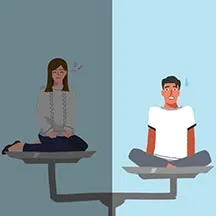
- 어리다
- 무겁다
- 뜨겁다
- 차갑다
उत्तर देखें
2. 무겁다
Book exercises: p. 162. The online scene quizzes above are separate practice.