文章構造
수식
解説
韓国語では、修飾する言葉が修飾される言葉の前に来る。
어제 산 책을 읽어요.
I’m reading the book I bought yesterday.
Seemile Korean Book · 文章構造 · p. 287
文脈の中の例文
카이는 낡은 차를 팔았어요.
カイは古い車を売りました。
| Word | In this sentence | Meaning |
|---|---|---|
| 카이 | 카이는 | カイ |
| 낡다 | 낡은 | 古い |
| 차 | 차를 | 車 |
| 팔다 | 팔았어요 | 売る |
카이는 빨간색 차를 샀어요.
カイは赤い車を買いました。
| Word | In this sentence | Meaning |
|---|---|---|
| 카이 | 카이는 | カイ |
| 빨간색 | 빨간색 | 赤 |
| 차 | 차를 | 車 |
| 사다 | 샀어요 | 買う |
카이는 새 차를 타고 /아주 빠르게 달렸어요.
カイは新しい車に乗ってスピードを出して走りました。
| Word | In this sentence | Meaning |
|---|---|---|
| 카이 | 카이는 | カイ |
| 새 | 새 | 新しい |
| 차 | 차를 | 車 |
| 타다 | 타고 | 乗る |
| 아주 | 아주 | とても |
| 빠르다 | 빠르게 | 早く |
| 달리다 | 달렸어요 | 走る |
카이는 빨간색 새 차가 매우 좋았어요.
カイは赤い新車がとても好きでした。
| Word | In this sentence | Meaning |
|---|---|---|
| 카이 | 카이는 | カイ |
| 빨간색 | 빨간색 | 赤 |
| 새 | 새 | 新しい |
| 차 | 차가 | 車 |
| 매우 | 매우 | とても |
| 좋다 | 좋았어요 | 良い |
語彙
- 카이
- カイ
- 낡다
- 古い
- 차
- 車
- 팔다
- 売る
- 빨간색
- 赤
- 사다
- 買う
- 새
- 新しい
- 타다
- 乗る
- 아주
- とても
- 빠르다
- 早く
- 달리다
- 走る
- 매우
- とても
- 좋다
- 良い
練習
- Read one Korean example aloud, then cover it and rebuild the sentence from its meaning.
- Identify the form explained above and compare it with the forms in the word table.
- Change one person, place or object while keeping the grammar and speech level consistent. Check your sentence against the rule.
Vocabulary check
- 자전거
- 비행기
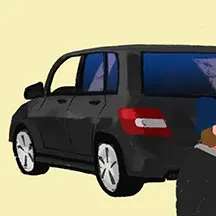
- 차
- 기차
答えを見る
3. 차
Vocabulary check

- 파란색
- 까만색
- 빨간색
- 차
答えを見る
3. 빨간색
Book exercises: p. 291. The online scene quizzes above are separate practice.
動画レッスン
Word Order, Modifier, Postpositional Particle, Ellipsis
YouTube · 14:43関連レッスン
- 주어+서술어 — 韓国語は、主語の次に動詞や形容詞などの述語が来る。目的語は、主語と述語の間に位置する。つまり、主語+目的語+述語の順である。 • 아람이(主語) 창문을(目的語) 열어요.(叙述語) • 아람이(主語) 세수를(目的語) 해요.(叙述語)
- 명사+조사 — 助詞は、名詞に対応する単語に付けて使う。 • 히토미는 지하철을 타고 미술관에 갔어요. • 히토미는 오랫동안 그림을 쳐다 보았어요.
- 생략 — 韓国語で主格助詞と目的格助詞は、どれが主語と目的語なのかが明らかに判断できるときは省略できる。 • 나(가) 왔어요. 문(을) 열어요. 主語がなくても、その文章で主語が何であるかが明らかであるときは、主語を省略することができる。 • 카이가 만든 만두인데요, (내가) 먹어보니 맛있어요. • 아람, 아이스크림(을) 먹을래요? 아니요, (나는) 배(가) 불러요. 文章で目的語が複数回繰り返されて、再び言及しなくても、その目的語が何であるかが判断できるときは省略することができる。 • 카이, 그 영화(를) 봤어요? • 아니요, 아직 (그 영화를) 못 봤어요.