Coisas a fazer
~기가 싫어요/기가 힘들어요
Explicação
‘~기가 싫어요’ vem após o verbo, e diz que o falante não está disposto a fazer alguma coisa. ‘~기가 힘들어요’ vem após o verbo, e diz que a ação está além do poder do falante.
• 아람은 아침에 출근하기가 싫었어요.
• 히토미는 바람 때문에 걷기가 힘들어요.
* Forma básica : ~기가 싫다/기가 힘들다
일찍 일어나기가 힘들어요.
It’s hard to get up early.
Seemile Korean Book · Coisas a fazer · p. 239
Exemplos em contexto
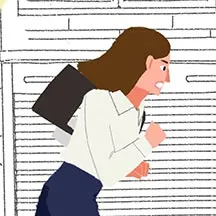
아람이는 아침에 출근하기가 싫었어요.
Aram não queria ir trabalhar na manhã
| Word | In this sentence | Meaning |
|---|---|---|
| 아람 | 아람이는 | Aram |
| 아침 | 아침에 | manhã |
| 출근하다 | 출근하기가 | ir trabalhar |
| 싫다 | 싫었어요 | não quer |
로한은 휴일에 청소하기가 싫었어요.
Rohan não quis limpar no feriado.
| Word | In this sentence | Meaning |
|---|---|---|
| 로한 | 로한은 | Rohan |
| 휴일 | 휴일에 | feriado |
| 청소하다 | 청소하기가 | limpar |
| 싫다 | 싫었어요 | não querer |
히토미는 바람 때문에 걷기가 힘들어요.
É difícil para Hitomi andar por causa do vento.
| Word | In this sentence | Meaning |
|---|---|---|
| 히토미 | 히토미는 | Hitomi |
| 바람 | 바람 | vento |
| 때문 | 때문에 | por causa |
| 걷다 | 걷기가 | andar |
| 힘들다 | 힘들어요 | difícil |
존은 졸려서 책을 읽기가 힘들었어요.
Era difícil para John ler um livro porque ele estava com sono.
| Word | In this sentence | Meaning |
|---|---|---|
| 존 | 존은 | John |
| 졸리다 | 졸려서 | estar com sono |
| 책 | 책을 | livro |
| 읽다 | 읽기가 | ler |
| 힘들다 | 힘들었어요 | difícil |
Vocabulário
- 아람
- Aram
- 아침
- manhã
- 출근하다
- ir trabalhar
- 싫다
- não querer
- 로한
- Rohan
- 휴일
- feriado
- 청소하다
- limpar
- 히토미
- Hitomi
- 바람
- vento
- 때문
- por causa
- 걷다
- andar
- 힘들다
- difícil
- 존
- John
- 졸리다
- estar com sono
- 책
- livro
- 읽다
- ler
Prática
- Read one Korean example aloud, then cover it and rebuild the sentence from its meaning.
- Identify the form explained above and compare it with the forms in the word table.
- Change one person, place or object while keeping the grammar and speech level consistent. Check your sentence against the rule.
Vocabulary check
- 싫다
- 출근하다
- 아침
- 못하다
Ver resposta
2. 출근하다
Vocabulary check

- 휴일
- 싫다
- 청소하다
- 출근하다
Ver resposta
3. 청소하다
Book exercises: p. 241. The online scene quizzes above are separate practice.
Videoaula
V-(으)ㄹ 수 있어요/없어요, V-(으)ㄹ 줄 알아요/몰라요, 잘해요/잘 못해요, V-기가 싫어요
YouTube · 15:15Lições relacionadas
- ~(으)ㄹ 수 있어요/없어요 — ‘~(으)ㄹ 수 있어요/없어요’ vem após o verbo e explica a possibilidade ou a impossibilidade de algo. • 을 수 있어요/없어요 : Usado quando o verbo anterior termina com consoante, exceto ㄹ[존은 멋있는 사진을 찍을 수 있어요./로한은 열쇠를 찾을 수 없었어요.] • ㄹ 수 있어요/없어요 : Usado quando o verbo anterior termina com uma vogal ou ㄹ[아람은 무거운 것도 들 수 있어요./카이는 컴퓨터를 고칠 수 없어요.] * Forma básica : ~을 수 있다/없다, ~ㄹ 수 있다/없다
- ~(으)ㄹ 줄 알아요/몰라요 — ‘(으)ㄹ 줄 알아요/몰라요’ vem após o verbo, e explica se há habilidade ou método para fazer algo. • 을 줄 알아요/몰라요 : Usado quando o verbo anterior termina com consoante, exceto ㄹ[존은 사과를 깎을 줄 알아요.] • ㄹ 줄 알아요/몰라요 : Usado quando o verbo anterior termina com uma vogal ou ㄹ[아람은 피자를 만들 줄 알아요./히토미는 운전할 줄 몰라요.] * Forma básica : 을 줄 알다/모르다, ㄹ 줄 알다/모르다
- 잘해요/잘 못해요 — "잘해요" significa fazer algo habilmente. Pelo contrário, '잘 못해요' é uma expressão que não é capaz de fazer algo. • 존은 설거지를 잘해요. • 로한은 정리정돈을 잘 못해요. * Forma básica : 잘하다