Etiqueta pública
~아야/어야 돼요, ~아야/어야 해요, ~아도/어도 돼요
Explicação
~ 아야 돼요 / 어야 돼요' vem após o verbo ou adjetivo para mostrar que é necessário fazer algo, ou alguma situação é necessária. '~ 아야 해요 / 어야 해요' é anexado ao verbo ou adjetivo para indicar as ações e condições que devem ser feitas para realizar uma determinada tarefa ou situação. '~ 아도 돼요 / 어도 돼요' vem após o verbo ou o adjetivo e é usado para mostrar permissão para fazer algo. O básico para '돼요' é '되다'. '돼요' é abreviado de '되어요' que é combinação de '되 (다) e' 어요 '.
• 쓰레기는 쓰레기통에 버려야 돼요.
• 횡단보도를 건너기 전에 주위를 살펴야 해요.
• 여기에서는 사진을 찍어도 돼요.
* Forma básica : 아야 되다/어야 되다
기다려야 해요. 여기에 앉아도 돼요.
You have to wait. You may sit here.
Seemile Korean Book · Etiqueta pública · p. 260
Exemplos em contexto
쓰레기는 쓰레기통에 버려야 돼요.
Você deve jogar o lixo na lixeira.
| Word | In this sentence | Meaning |
|---|---|---|
| 쓰레기 | 쓰레기는 | lixo |
| 쓰레기통 | 쓰레기통에 | lixeira |
| 버리다 | 버려야 | jogar |
| 되다 | 돼요 | dever |
지하철에서는 할머니에게 /자리를 양보해야 돼요.
Você deve ceder assento à idosa no metrô.
| Word | In this sentence | Meaning |
|---|---|---|
| 지하철 | 지하철에서는 | metrô |
| 할머니 | 할머니에게 | idosa |
| 자리 | 자리를 | lugar |
| 양보하다 | 양보해야 | ceder |
| 되다 | 돼요 | dever |
횡단보도를 건너기 전에 /주위를 살펴야 해요.
Você deve olhar ao redor antes de atravessar a faixa de pedestre.
| Word | In this sentence | Meaning |
|---|---|---|
| 횡단보도 | 횡단보도를 | faixa de pedestre |
| 건너다 | 건너기 | atravessar |
| 전 | 전에 | antes |
| 주위 | 주위를 | redor |
| 살피다 | 살펴야 | olhar |
| 하다 | 해요 | dever |
도서관에서는 떠들지 말아야 해요.
Você não deve falar alto na biblioteca.
| Word | In this sentence | Meaning |
|---|---|---|
| 도서관 | 도서관에서는 | biblioteca |
| 떠들다 | 떠들지 | falar alto |
| 말다 | 말아야 | não dever |
| 하다 | 해요 | fazer |
이곳에는 차를 세워도 돼요.
Você pode estacionar o carro aqui.
| Word | In this sentence | Meaning |
|---|---|---|
| 이곳 | 이곳에는 | aqui |
| 차 | 차를 | carro |
| 세우다 | 세워도 | estacionar |
| 되다 | 돼요 | poder |
여기에서는 사진을 찍어도 돼요.
Você pode tirar fotos aqui.
| Word | In this sentence | Meaning |
|---|---|---|
| 여기 | 여기에서는 | aqui |
| 사진 | 사진을 | foto |
| 찍다 | 찍어도 | tirar |
| 되다 | 돼요 | poder |
Vocabulário
- 쓰레기
- lixo
- 쓰레기통
- lixeira
- 버리다
- jogar
- 되다
- poder
- 지하철
- metrô
- 할머니
- idosa
- 자리
- lugar
- 양보하다
- ceder
- 횡단보도
- faixa de pedestre
- 건너다
- atravessar
- 전
- antes
- 주위
- redor
- 살피다
- olhar
- 하다
- fazer
- 도서관
- biblioteca
- 떠들다
- falar alto
- 말다
- não dever
- 이곳
- aqui
- 차
- carro
- 세우다
- estacionar
- 여기
- aqui
- 사진
- foto
- 찍다
- tirar
Prática
- Read one Korean example aloud, then cover it and rebuild the sentence from its meaning.
- Identify the form explained above and compare it with the forms in the word table.
- Change one person, place or object while keeping the grammar and speech level consistent. Check your sentence against the rule.
Vocabulary check
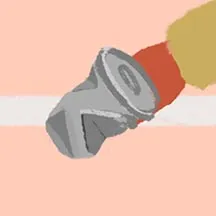
- 쓰레기통
- 쓰레기
- 버리다
- 되다
Ver resposta
2. 쓰레기
Vocabulary check

- 지하철
- 자리
- 할머니
- 양보하다
Ver resposta
3. 할머니
Book exercises: p. 265. The online scene quizzes above are separate practice.
Videoaula
V-(으)세요, V-지 말아요, A/V-아야/어야 돼요/해요, A/V(으)면 안 돼요
YouTube · 17:58Lições relacionadas
- ~(으)세요, ~지 마세요 — ~ (으) 세요' vem após o verbo, e é usado para pedir ou mandar o ouvinte para fazer algo. Pelo contrário, '지 마세요' vem após o verbo, e é usado para evitar alguma açãon. • 파란불일 때 횡단보도를 건너세요. • 버스 안에서 담배를 피우지 마세요.
- ~(으)면 안 돼요, ~지 않아도 돼요 — (으) 면 안돼요' vem após o verbo ou adjetivo, e é usado para limitar ou proibir alguma ação ou situação. '지 않아도 돼요' vem após o verbo ou adjetivo, e é usado quando alguma ação ou alguma condição não é necessária. '안 ~ 아도 돼요 / 어도 돼요' tem o mesmo significado com '지 않아도 돼요'. • 빨간불일 때는 횡단보도를 건너면 안 돼요. • 국립박물관은 입장권을 사지 않아도 돼요. * Forma básica : 으면 안 되다/면 안 되다