Aparência
~지 않아요
Explicação
Adicione '~ 지 않아요' atrás do adjetivo para fazer a forma negativa. O uso é o mesmo do verbo.
* Forma básica : 지 않다
이 신발은 크지 않아요.
These shoes aren’t big.
Seemile Korean Book · Aparência · p. 59
Exemplos em contexto
저는 머리가 짧지 않아요.
Eu não tenho cabelo curto.
| Word | In this sentence | Meaning |
|---|---|---|
| 저 | 저는 | eu |
| 머리 | 머리가 | cabelo |
| 짧다 | 짧지 | curto |
| 않다 | 않아요 | não ter |
로한은 머리가 길지 않아요.
Rohan não tem cabelo longo.
| Word | In this sentence | Meaning |
|---|---|---|
| 로한 | 로한은 | Rohan |
| 머리 | 머리가 | cabelo |
| 길다 | 길지 | longo |
| 않다 | 않아요 | não ter |
존은 키가 작지 않아요.
John não é baixo.
| Word | In this sentence | Meaning |
|---|---|---|
| 존 | 존은 | John |
| 키 | 키가 | altura |
| 작다 | 작지 | baixo |
| 않다 | 않아요 | não ser |
히토미는 키가 크지 않아요.
Hitomi não é alta.
| Word | In this sentence | Meaning |
|---|---|---|
| 히토미 | 히토미는 | Hitomi |
| 키 | 키가 | altura |
| 크다 | 크지 | alta |
| 않다 | 않아요 | não ser |
카이는 어깨가 좁지 않아요.
Kai não tem ombros estreitos.
| Word | In this sentence | Meaning |
|---|---|---|
| 카이 | 카이는 | Kai |
| 어깨 | 어깨가 | ombro |
| 좁다 | 좁지 | estreito |
| 않다 | 않아요 | não ter |
히토미는 어깨가 넓지 않아요.
Hitomi não tem ombros largos.
| Word | In this sentence | Meaning |
|---|---|---|
| 히토미 | 히토미는 | Hitomi |
| 어깨 | 어깨가 | ombro |
| 넓다 | 넓지 | largo |
| 않다 | 않아요 | não ter |
Vocabulário
- 저
- eu
- 머리
- cabelo
- 짧다
- curto
- 않다
- não ter
- 로한
- Rohan
- 길다
- longo
- 존
- John
- 키
- altura
- 작다
- baixo
- 히토미
- Hitomi
- 크다
- alta
- 카이
- Kai
- 어깨
- ombro
- 좁다
- estreito
- 넓다
- largo
Prática
- Read one Korean example aloud, then cover it and rebuild the sentence from its meaning.
- Identify the form explained above and compare it with the forms in the word table.
- Change one person, place or object while keeping the grammar and speech level consistent. Check your sentence against the rule.
Vocabulary check

- 머리
- 크다
- 어깨
- 다리
Ver resposta
1. 머리
Vocabulary check
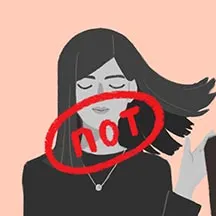
- 머리
- 않다
- 크다
- 길다
Ver resposta
2. 않다
Book exercises: p. 62. The online scene quizzes above are separate practice.
Videoaula
Present tenses A-아요/어요, 안 A-아요/어요, A-지 않아요, A-아요/어요?
YouTube · 26:38Lições relacionadas
- ~아요/어요(형용사) — ‘~아요/어요’ é usado para fazer o adjetivo no presente. Em coreano, o adjetivo carrega a função dos predicados. Por esse motivo, os adjetivos têm mudanças de tempos e podem ser formados em uma sentença negativa ou interrogativa. Em situações informais, se usa a expressão sem ‘요’. • 아요 : Usado quando a raiz do adjetivo termina com uma vogal ‘ㅏ’ and ‘ㅗ’ [히토미는 키가 작아요.] • 어요 : Usado quando a raiz do adjetivo termina com outras vogais exceto ‘ㅏ’ e ‘ㅗ’ [나는 머리가 길어요.] * Forma básica : ~아다/어다 * ‘ㅡ’ exclusão : quando ‘ㅏ’ou ‘ㅓ’ é adicionado ao verbo ou adjetivo que termina com ‘ㅡ’ raiz, o ‘ㅡ’ é exluído.
- 안 ~아요/어요 — Os adjetivos podem ser usados negativamente usando "안" na frente do adjetivo. O uso é o mesmo do verbo. • 로한은 머리가 안 길어요. • 존은 키가 안 작아요.
- ~아요?/어요? — ‘~아요?/어요?’ é uma forma interrogativa de adjetivos. A forma é a mesma do presente, mas a entonação muda quando se torna interrogativa. O uso é o mesmo do verbo. • 아람은 머리가 길어요? • 히토미는 키가 커요?