Rotina diária
~했어요/할 거예요
Explicação
São as formas do passado e do futuro de 'substantivo + 해요'. O passado de '했어요' é abreviatura de '하였어요' e a forma futura é '할 거예요'.
• Pretérito : 히토미는 주말에 공부했어요.
• Futuro : 카이는 영화 표를 예매할 거예요.
어제 공부했어요. 내일도 공부할 거예요.
I studied yesterday. I’ll study tomorrow too.
Seemile Korean Book · Rotina diária · p. 124
Exemplos em contexto
히토미는 주말에 공부했어요.
Hitomi estudou no fim de semana.
| Word | In this sentence | Meaning |
|---|---|---|
| 히토미 | 히토미는 | Hitomi |
| 주말 | 주말에 | fim de semana |
| 공부하다 | 공부했어요 | estudar |
아람이는 오후에 컴퓨터를 사용했어요.
Aram usou o computador pela tarde.
| Word | In this sentence | Meaning |
|---|---|---|
| 아람 | 아람이는 | Aram |
| 오후 | 오후에 | tarde |
| 컴퓨터 | 컴퓨터를 | computador |
| 사용하다 | 사용했어요 | usar |
로한은 아내와 함께 식사했어요.
Rohan comeu com sua esposa.
| Word | In this sentence | Meaning |
|---|---|---|
| 로한 | 로한은 | Rohan |
| 아내 | 아내와 | esposa |
| 함께 | 함께 | junto |
| 식사하다 | 식사했어요 | comer |
카이는 영화표를 예매할 거예요.
Kai vai reservar ingressos para o filme.
| Word | In this sentence | Meaning |
|---|---|---|
| 카이 | 카이는 | Kai |
| 영화표 | 영화표를 | ingressos do filme |
| 예매하다 | 예매할 | reservar |
| 거다 | 거예요 | ir |
존은 주말에 고궁을 구경할 거예요.
John vai ver o palácio antigo neste fim de semana.
| Word | In this sentence | Meaning |
|---|---|---|
| 존 | 존은 | John |
| 주말 | 주말에 | fim de semana |
| 고궁 | 고궁을 | palácio antigo |
| 구경하다 | 구경할 | ver |
| 거다 | 거예요 | ir |
Vocabulário
- 히토미
- Hitomi
- 주말
- fim de semana
- 공부하다
- estudar
- 아람
- Aram
- 오후
- tarde
- 컴퓨터
- computador
- 사용하다
- usar
- 로한
- Rohan
- 아내
- esposa
- 함께
- junto
- 식사하다
- comer
- 카이
- Kai
- 영화표
- ingressos do filme
- 예매하다
- reservar
- 거다
- ir
- 존
- John
- 고궁
- palácio antigo
- 구경하다
- ver
- 거다
- ir
Prática
- Read one Korean example aloud, then cover it and rebuild the sentence from its meaning.
- Identify the form explained above and compare it with the forms in the word table.
- Change one person, place or object while keeping the grammar and speech level consistent. Check your sentence against the rule.
Vocabulary check

- 아침
- 저녁
- 주말
- 어제
Ver resposta
3. 주말
Vocabulary check
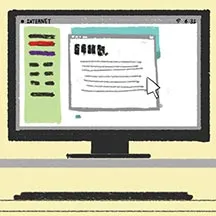
- 컴퓨터
- 냉장고
- 텔레비전
- 핸드폰
Ver resposta
1. 컴퓨터
Book exercises: p. 127. The online scene quizzes above are separate practice.
Videoaula
N해요, 안 N해요, N하지 않아요, N했어요, N할 거예요, N해요?
YouTube · 19:03Lições relacionadas
- 명사+해요 — 해요' é um sufixo que transforma um substantivo em um verbo. A forma básica de '해요' é '하다'. Para usá-lo em situação formal, adicione '여요' à forma básica '하다'. Então, '운동하다' torna-se '운동하여요' e '도착하다' se torna '도착하여요'. Mas '하여요' é usado como forma abreviada, então '운동해요' e '도착해요' também podem ser usados. • 아람은 매일 아침에 운동해요. • 히토미는 오전에 학교에 도착해요. * Irregular '여’ : Quando as palavras que começam '아' ou '어' vem depois do verbo '하다' ou 'substantivo + 하다', '아' e '어' mudam para '여'. Assim, a abreviatura de '하여' é usada como '해’.[운동하여요→ 운동해요]
- 안 ~해요, 지 않아요 — É a forma negativa do verbo com '해요'. Há duas maneiras de fazer essa forma negativa, uma é colocando '안' na frente do verbo '해요'. E o outro é colocando '-지 않아요' na parte de trás de '하 (다). • 아람은 매일 아침에 운동 안 해요. • 존은 저녁에 방을 청소하지 않아요. * Forma básica : 안 ~하다, 하지 않다
- ~해요? — É a forma interrogativa usando '해요' na parte de trás do substantivo. • 아람은 매일 아침 운동해요? • 히토미는 오전에 학교에 도착해요?