Exercício
~아 있어요/어 있어요
Explicação
‘~아 있어요/어 있어요’ é o sufixo que vem depois do verbo para dizer que o resultado de certas ações está continuando.
• 아 있어요 : usado quando a vogal da raiz termina com 'ㅏ' e 'ㅗ'[로한이 자전거에 앉아 있어요.]
• 어 있어요 : usado quando a vogal da raiz termina com outras vogais, exceto 'ㅏ' e 'ㅗ'[카이가 잔디에 누워 있어요.]
* Forma básica : ~아 있다/어 있다
아람은 의자에 앉아 있어요.
Aram is seated on a chair.
Seemile Korean Book · Exercício · p. 135
Exemplos em contexto
해가 지고 달이 떠 있어요.
O sol está se pondo e a lua está saindo.
| Word | In this sentence | Meaning |
|---|---|---|
| 해 | 해가 | sol |
| 지다 | 지고 | pôr-se |
| 달 | 달이 | lua |
| 떠 있다 | 떠 있어요 | saindo |
카이가 잔디에 누워 있어요.
Kai está deitado na grama.
| Word | In this sentence | Meaning |
|---|---|---|
| 카이 | 카이가 | Kai |
| 잔디 | 잔디에 | grama |
| 누워 있다 | 누워 있어요 | estar deitado |
로한이 자전거에 앉아 있어요.
Rohan está sentado na bicicleta.
| Word | In this sentence | Meaning |
|---|---|---|
| 로한 | 로한이 | Rohan |
| 자전거 | 자전거에 | bicicleta |
| 앉아 있다 | 앉아 있어요 | estar sentado |
히토미는 테니스장 밖에 나와 있어요.
Hitomi está fora da quadra de tênis.
| Word | In this sentence | Meaning |
|---|---|---|
| 히토미 | 히토미는 | Hitomi |
| 테니스장 | 테니스장 | quadra de tênis |
| 밖 | 밖에 | fora |
| 나와 있다 | 나와 있어요 | estar fora |
존이 아람이 뒤에 서 있어요.
John está de pé atrás de Aram.
| Word | In this sentence | Meaning |
|---|---|---|
| 존 | 존이 | John |
| 아람 | 아람이 | Aram |
| 뒤 | 뒤에 | atrás |
| 서 있다 | 서 있어요 | estar de pé |
Vocabulário
- 해
- sol
- 지다
- pôr-se
- 달
- lua
- 떠 있다
- saindo
- 카이
- Kai
- 잔디
- grama
- 누워 있다
- estar deitado
- 로한
- Rohan
- 자전거
- bicicleta
- 앉아 있다
- estar sentado
- 히토미
- Hitomi
- 테니스장
- quadra de tênis
- 밖
- fora
- 나와 있다
- estar fora
- 존
- John
- 아람
- Aram
- 뒤
- atrás
- 서 있다
- estar de pé
Prática
- Read one Korean example aloud, then cover it and rebuild the sentence from its meaning.
- Identify the form explained above and compare it with the forms in the word table.
- Change one person, place or object while keeping the grammar and speech level consistent. Check your sentence against the rule.
Vocabulary check

- 해
- 달
- 눈
- 비
Ver resposta
2. 달
Vocabulary check
- 자전거
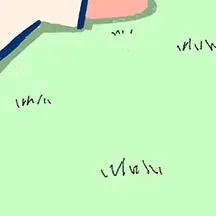
- 잔디
- 야구
- 테니스
Ver resposta
2. 잔디
Book exercises: p. 140. The online scene quizzes above are separate practice.
Videoaula
V-고 있어요, V-아/어 있어요, V-고 있었어요, V-아/어 있어요, N도/N만
YouTube · 17:27Lições relacionadas
- ~고 있어요 — ‘~고 있어요’ é o sufixo que vem depois que o verbo dizer algo está em andamento. Para usá-lo em situação informal, exclua '요' e use-o como ‘해가 지고 있어’. • 해가 지고 있어요. • 카이가 야구를 하고 있어요. * Forma básica : ~고 있다
- ~고 있었어요, 아 있었어요/어 있었어요 — ‘~고 있었어요’ é um sufixo que vem depois do verbo para dizer que algo estava ocorrendo em certo momento do passado. ‘~아 있어요/어 있었어요’ é um sufixo que vem após o verbo para dizer o resultado de certas ações no passado que continua até agora. • 해가 뜨고 있었어요. • 냉장고에 메모가 붙어 있었어요. * Forma básica : ~고 있다, ~아 있다/어 있다
- 도, 만 — 도' é uma posposição que vem após o substantivo. Ele adiciona mais informações sobre a condição de outro para a informação que já foi mencionada. '만' é uma posposição que vem após o substantivo, e é usado para quando há apenas uma opção. • 로한은 빨리 달려요. 카이도 빨리 달려요 • 수업 시간에 히토미만 손을 들었어요.