Hobby2
~(으)려면
Explicação
‘~(으)려면’vem após o verbo ou o adjetivo e supõe que o falante tenha intenção de fazer algo.
• 으려면 : Usado quando o verbo ou adjetivo anterior termina com consoante, exceto 'ㄹ'[스시를 먹으려면 히토미에게 부탁하세요.]
• 려면 : Usado quando o verbo ou adjetivo anterior termina com uma vogal ou ㄹ[카이의 식당에 가려면 예약을 하세요.]
한국어를 잘하려면 매일 연습해야 해요.
To get good at Korean, you need to practice every day.
Seemile Korean Book · Hobby2 · p. 171
Exemplos em contexto
스시를 먹으려면 히토미에게 부탁하세요.
Peça a Hitomi para comer sushi.
| Word | In this sentence | Meaning |
|---|---|---|
| 스시 | 스시를 | sushi |
| 먹다 | 먹으려면 | comer |
| 히토미 | 히토미에게 | Hitomi |
| 부탁하다 | 부탁하세요 | pedir |
카이의 식당에 가려면 예약을 하세요.
Faça uma reserva para ir ao restaurante do Kai.
| Word | In this sentence | Meaning |
|---|---|---|
| 카이 | 카이의 | Kai |
| 식당 | 식당에 | restaurante |
| 가다 | 가려면 | ir |
| 예약 | 예약을 | reserva |
| 하다 | 하세요 | fazer |
제주도에 가려면 비행기를 타세요.
Pegue um avião para ir à ilha de Jeju.
| Word | In this sentence | Meaning |
|---|---|---|
| 제주도 | 제주도에 | ilha de Jeju |
| 가다 | 가려면 | ir |
| 비행기 | 비행기를 | avião |
| 타다 | 타세요 | pegar |
로한과 축구하려면 축구장으로 가세요.
Vá para o campo de futebol para jogar futebol com Rohan.
| Word | In this sentence | Meaning |
|---|---|---|
| 로한 | 로한과 | Rohan |
| 축구하다 | 축구하려면 | jogar futebol |
| 축구장 | 축구장으로 | campo de futebol |
| 가다 | 가세요 | ir |
Vocabulário
- 스시
- sushi
- 먹다
- comer
- 히토미
- Hitomi
- 부탁하다
- pedir
- 카이
- Kai
- 식당
- restaurante
- 가다
- ir
- 예약
- reserva
- 하다
- fazer
- 제주도
- ilha de Jeju
- 비행기
- avião
- 타다
- pegar
- 로한
- Rohan
- 축구하다
- jogar futebol
- 축구장
- campo de futebol
Prática
- Read one Korean example aloud, then cover it and rebuild the sentence from its meaning.
- Identify the form explained above and compare it with the forms in the word table.
- Change one person, place or object while keeping the grammar and speech level consistent. Check your sentence against the rule.
Vocabulary check

- 먹다
- 자다
- 사다
- 가다
Ver resposta
1. 먹다
Vocabulary check
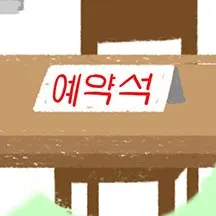
- 예약
- 멀리
- 날아가다
- 먹다
Ver resposta
1. 예약
Book exercises: p. 178. The online scene quizzes above are separate practice.
Videoaula
A/V-(으)면, A/V-(으)려면, A/V-아도/어도, A/V-(으)ㄴ데/는데, A/V-(으)니까
YouTube · 27:13Lições relacionadas
- ~(으)면 — ‘~(으)면’ vem após o verbo ou adjetivo e informa sobre as condições sob determinada situação. • 으면 : Usado quando o verbo ou adjetivo anterior termina com uma vogal ou 'ㄹ'[히토미는 책을 읽으면 밥도 안 먹어요.] • 면 : Use when the verb or the adjective ends with vowel or Prop consonants ㄹ[아람은 백화점에 가면 가방을 구경해요.]
- ~아도/어도 — ‘~아/어도’ vem após o verbo ou o adjetivo, e diz que algo aconteceu, independentemente do evento anterior. • 아도 : Usado quando o verbo ou adjetivo anterior termina com 'a' ou 'ㅗ'[히토미는 아파도 병원에 안 가요.] • 어도 : Usado quando o verbo ou o adjetivo não termina com ‘ㅏ’ or ‘ㅗ’ , ou quando termina com ‘이다’ ou ‘아니다’[카이는 만두는 만들어도 바느질은 못해요.] * ‘ㅡ’ exclusão : quando ‘아’ ou ‘어’ é adicionado ao verbo ou adjetivo que termina com 'ㅡ', seu 'ㅡ' é eliminado.
- ~(으)ㄴ/는데 — ‘~(으)ㄴ데/는데’ vem após o verbo ou o adjetivo, e informa o próximo evento ou situação. • 는데 : Usado com ‘있다’ ou ‘없다’[냉면은 맛있는데 너무 차가워요.] • 은데 : Usado quando a raiz dos adjetivos terminam com outras consoantes, exceto ‘ㄹ’[아람은 가방이 많은데 또 샀어요.] • ㄴ데 : Usado quando a raiz dos adjetivos terminam com outras vogais ou ㄹ[히토미는 아픈데 병원에 안 가요]
- ~(으)니까 — ‘~(으)니까’ vem após o verbo ou o adjetivo e diz que alguns fatos foram descobertos pela ação anterior. • 으니까 : Usado quando o verbo ou adjetivo anterior termina com consoante, exceto ㄹ[동전을 넣으니까 음료수가 나왔어요.] • 니까 : Usado quando o verbo ou adjetivo anterior termina com uma vogal ou ㄹ[히토미가 책을 펼 치니까 지폐가 있었어요.]