性格
~거나
说明
‘~거나’在动词后面加上,就显示出两个以上的之中要选择一个时使用。
• 아람은 차갑 거나 뜨거운 것을 싫어해요.阿兰讨厌冷的或热的东西
• 카이는 신나거나 빠른 음악을 들어요.凯听开心的音乐或快音乐
* ㄷ不规则利用:句中以 ‘ㄷ’来结束时,
动词中的一部分的‘ㄷ’会变成‘ㄹ’的不规则利用。
주말에는 책을 읽거나 영화를 봐요.
On weekends I read a book or watch a movie.
Seemile Korean Book · 性格 · p. 157
语境例句
아람이는 차갑거나 뜨거운 것을 싫어해요.
阿兰不喜欢冷的或热的东西。
| Word | In this sentence | Meaning |
|---|---|---|
| 아람 | 아람이는 | 阿兰 |
| 차갑다 | 차갑거나 | 冷 |
| 뜨겁다 | 뜨거운 | 热 |
| 것 | 것을 | 东西 |
| 싫어하다 | 싫어해요 | 不喜欢 |
히토미는 짜거나 매운 음식을 싫어해요.
田中瞳不喜欢咸的或辣的的食物。
| Word | In this sentence | Meaning |
|---|---|---|
| 히토미 | 히토미는 | 田中瞳 |
| 짜다 | 짜거나 | 咸 |
| 맵다 | 매운 | 辣 |
| 음식 | 음식을 | 食物 |
| 싫어하다 | 싫어해요 | 不喜欢 |
카이는 신나거나 빠른 음악을 들어요.
凯听欢快的或节奏快的音乐。
| Word | In this sentence | Meaning |
|---|---|---|
| 카이 | 카이는 | 凯 |
| 신나다 | 신나거나 | 欢快 |
| 빠르다 | 빠른 | 节奏快 |
| 음악 | 음악을 | 音乐 |
| 듣다 | 들어요 | 听 |
로한은 굽거나 튀긴 것을 좋아해요.
罗翰喜欢烤的或炸的。
| Word | In this sentence | Meaning |
|---|---|---|
| 로한 | 로한은 | 罗翰 |
| 굽다 | 굽거나 | 烤 |
| 튀기다 | 튀긴 | 炸 |
| 것 | 것을 | 的 |
| 좋아하다 | 좋아해요 | 喜欢 |
词汇
- 아람
- 阿兰
- 차갑다
- 冷
- 뜨겁다
- 热
- 것
- 的
- 싫어하다
- 不喜欢
- 히토미
- 田中瞳
- 짜다
- 咸
- 맵다
- 辣
- 음식
- 食物
- 카이
- 凯
- 신나다
- 欢快
- 빠르다
- 节奏快
- 음악
- 音乐
- 듣다
- 听
- 로한
- 罗翰
- 굽다
- 烤
- 튀기다
- 炸
- 좋아하다
- 喜欢
练习
- Read one Korean example aloud, then cover it and rebuild the sentence from its meaning.
- Identify the form explained above and compare it with the forms in the word table.
- Change one person, place or object while keeping the grammar and speech level consistent. Check your sentence against the rule.
Vocabulary check
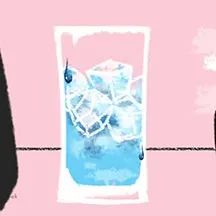
- 세다
- 마르다
- 차갑다
- 어리다
显示答案
3. 차갑다
Vocabulary check
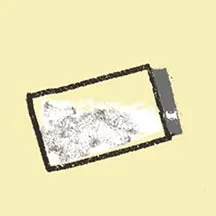
- 짜다
- 뜨겁다
- 어리다
- 차갑다
显示答案
1. 짜다
Book exercises: p. 162. The online scene quizzes above are separate practice.
视频课程
A/V-고, A/V-지만, A/V-거나, A/V-(으)ㄴ/는데
YouTube · 22:11相关课程
- 고 — ‘고’一般是在动词、形容词、名词或者是이다后面加上的, 用于陈列行为,事实以及状态时使用,一般用于连接文章。 • 존은 재미있고 카이는 쾌활하다 : ‘존은 재미있다’和‘카이는 쾌활하다’用‘고’来连接,就成了一个句子。
- ~지만 — ‘~지만’在和前面文章相反的内容,后面文章跟着说的时候使用。 • 아람은 가을은 좋아하지만 겨울은 싫어해요. : ‘아람은 가을은 좋아해요’和‘아람은 겨울은 싫어해요’相反文章, 以‘지만’连接,就成为一个文章。 * ‘르’不规则应用:句中以‘르’结束的动词或形容词中一些‘르’变成‘ㄹㄹ’的不规则应用
- ~(으)ㄴ데/는데 — ‘~(으)ㄴ데/는데’ 在动词、形容词后面加上的,显示出把前面内容和后面内容对照。 • 는데 : 用于动词及 ‘있다’ ‘없다’[히토미는 일찍 자는데 로한은 늦게 자요] • 은데 : 形容词的词干以除了‘ㄹ’以外的有收音的字来结束时使用[히토미는 작은데 존은 커요] • ㄴ데 : 形容词的词干以元音结束,或以 ‘ㄹ’结束时使用[카이는 빠른데 아람은 느려요.] * ㅂ不规则运用:句中以‘ㅂ’结束的动词或形容词中的一些‘ㅂ’变成‘ㅗ’,‘ㅜ’的变化的现象。