Job
V-(으)ㄹ 때
Explanation
Use (으)ㄹ 때 to say when something happens. The clause gives the occasion for the main action.
버스를 탈 때 카드를 써요.
I use a card when I take the bus.
Seemile Korean Book · Job · p. 211
Form and use
-(으)ㄹ 때: 'when (doing)' — attaches to a verb stem. N 때: 'when / at the time of N' — attaches directly to a noun.
| Condition | Form | Example |
|---|---|---|
| 받침 X / ㄹ | V 어간 + ㄹ 때 | 갈 때 · 먹을 때 |
| 받침 O | V 어간 + 을 때 | 먹을 때 · 읽을 때 |
| N 때 | N + 때 | 수업 때 · 어릴 때 · 방학 때 |
한국에 갈 때 무엇을 가져가요?
What do you bring when you go to Korea?
어릴 때 피아노를 배웠어요
I learned piano when I was young
Examples in context
히토미가 문을 닫을 때 손님이 왔어요.
When Hitomi was closing a door, a customer came in.
| Word | In this sentence | Meaning |
|---|---|---|
| 히토미 | 히토미가 | Hitomi |
| 문 | 문을 | door |
| 닫다 | 닫을 | close |
| 때 | 때 | when |
| 손님 | 손님이 | customer |
| 오다 | 왔어요 | come |
카이가 새우를 튀길 때 /소스 냄비가 타고 있었어요.
The sauce pen was burning when Kai was frying the shrimp.
| Word | In this sentence | Meaning |
|---|---|---|
| 카이 | 카이가 | Kai |
| 새우 | 새우를 | shrimp |
| 튀기다 | 튀길 | fry |
| 때 | 때 | when |
| 소스 | 소스 | sauce |
| 냄비 | 냄비가 | pot |
| 타고 있다 | 타고 있었어요 | be burning |
로한이 메일을 읽을 때 문자가 왔어요.
Rohan got a text message when he was reading an e-mail.
| Word | In this sentence | Meaning |
|---|---|---|
| 로한 | 로한이 | Rohan |
| 메일 | 메일을 | |
| 읽다 | 읽을 | read |
| 때 | 때 | when |
| 문자 | 문자가 | text message |
| 오다 | 왔어요 | come |
존이 사진을 찍고 있을 때 눈이 내렸어요.
It was snowing when John was taking a picture.
| Word | In this sentence | Meaning |
|---|---|---|
| 존 | 존이 | John |
| 사진 | 사진을 | picture |
| 찍고 있다 | 찍고 있을 | take |
| 때 | 때 | when |
| 눈 | 눈이 | snow |
| 내리다 | 내렸어요 | snow |
Vocabulary
- 히토미
- Hitomi
- 문
- door
- 닫다
- close
- 때
- when
- 손님
- customer
- 오다
- come
- 카이
- Kai
- 새우
- shrimp
- 튀기다
- fry
- 소스
- sauce
- 냄비
- pot
- 타고 있다
- be burning
- 로한
- Rohan
- 메일
- 읽다
- read
- 문자
- text message
- 존
- John
- 사진
- picture
- 찍고 있다
- take
- 눈
- snow
- 내리다
- snow
Practice
- Read one Korean example aloud, then cover it and rebuild the sentence from its meaning.
- Identify the form explained above and compare it with the forms in the word table.
- Change one person, place or object while keeping the grammar and speech level consistent. Check your sentence against the rule.
Vocabulary check
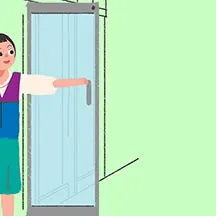
- 문
- 자리
- 고추
- 손님
Show answer
1. 문
Vocabulary check
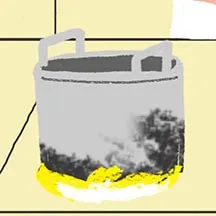
- 고추
- 손님
- 냄비
- 노래
Show answer
3. 냄비
Book exercises: p. 215. The online scene quizzes above are separate practice.
Video lesson
A/V-아서/어서, N 때, A/V-(으)면서, A/V-(으)ㄹ 때, V-자마자
YouTube · 20:31Related lessons
- A/V-아서/어서 — Use 아서/어서 when two actions are closely connected and the first sets up the second.
- N 때 — Put 때 after a noun naming an occasion or period of life.
- A/V-(으)면서 — Use (으)면서 to describe actions or conditions that occur at the same time.
- V-자마자 — Attach 자마자 when the next action follows immediately.