La profesión
~(으)ㄹ 때
Explicación
‘∼(으)ㄹ 때’ (cuando) se une a un verbo o adjetivo para indicar el tiempo en el que pasa una acción o situación.
• 을 때 : Se lo usa para la raíz que termina con consonante soporte, excepto ‘ㄹ’.[로한이 메일을 읽을 때 문자가 왔어요.]
• ㄹ 때 : Se lo usa para la raíz que termina con la consonante soporte ‘ㄹ’ o con vocal.[카이가 새우를 튀길 때 소스 냄비가 타고 있었어요.]
버스를 탈 때 카드를 써요.
I use a card when I take the bus.
Seemile Korean Book · La profesión · p. 211
Form and use
-(으)ㄹ 때: 'when (doing)' — attaches to a verb stem. N 때: 'when / at the time of N' — attaches directly to a noun.
| Condition | Form | Example |
|---|---|---|
| 받침 X / ㄹ | V 어간 + ㄹ 때 | 갈 때 · 먹을 때 |
| 받침 O | V 어간 + 을 때 | 먹을 때 · 읽을 때 |
| N 때 | N + 때 | 수업 때 · 어릴 때 · 방학 때 |
한국에 갈 때 무엇을 가져가요?
What do you bring when you go to Korea?
어릴 때 피아노를 배웠어요
I learned piano when I was young
Ejemplos en contexto
히토미가 문을 닫을 때 손님이 왔어요.
Los visitantes vinieron cuando Hitomi estaba cerrando la puerta.
| Word | In this sentence | Meaning |
|---|---|---|
| 히토미 | 히토미가 | Hitomi |
| 문 | 문을 | puerta |
| 닫다 | 닫을 | cerrar |
| 때 | 때 | cuando |
| 손님 | 손님이 | visitante |
| 오다 | 왔어요 | venir |
카이가 새우를 튀길 때 /소스 냄비가 타고 있었어요.
El cazo se etaba quemando mientras Kai freía los camarones.
| Word | In this sentence | Meaning |
|---|---|---|
| 카이 | 카이가 | Kai |
| 새우 | 새우를 | camarón |
| 튀기다 | 튀길 | freir |
| 때 | 때 | cuando |
| 소스 | 소스 | salsa |
| 냄비 | 냄비가 | cazo |
| 타고 있다 | 타고 있었어요 | estar quemando |
로한이 메일을 읽을 때 문자가 왔어요.
Los mensajes textuales vinieron mientras Rohan leía su email.
| Word | In this sentence | Meaning |
|---|---|---|
| 로한 | 로한이 | Rohan |
| 메일 | 메일을 | |
| 읽다 | 읽을 | leer |
| 때 | 때 | cuando |
| 문자 | 문자가 | mensaje textual |
| 오다 | 왔어요 | venir |
존이 사진을 찍고 있을 때 눈이 내렸어요.
Había nieve mientras John estaba tomando las fotos.
| Word | In this sentence | Meaning |
|---|---|---|
| 존 | 존이 | John |
| 사진 | 사진을 | foto |
| 찍고 있다 | 찍고 있을 | tomar una foto |
| 때 | 때 | cuando |
| 눈 | 눈이 | nieve |
| 내리다 | 내렸어요 | nevar |
Vocabulario
- 히토미
- Hitomi
- 문
- puerta
- 닫다
- cerrar
- 때
- cuando
- 손님
- visitante
- 오다
- venir
- 카이
- Kai
- 새우
- camarón
- 튀기다
- freir
- 소스
- salsa
- 냄비
- cazo
- 타고 있다
- estar quemando
- 로한
- Rohan
- 메일
- 읽다
- leer
- 문자
- mensaje textual
- 존
- John
- 사진
- foto
- 찍고 있다
- tomar una foto
- 눈
- nieve
- 내리다
- nevar
Práctica
- Read one Korean example aloud, then cover it and rebuild the sentence from its meaning.
- Identify the form explained above and compare it with the forms in the word table.
- Change one person, place or object while keeping the grammar and speech level consistent. Check your sentence against the rule.
Vocabulary check
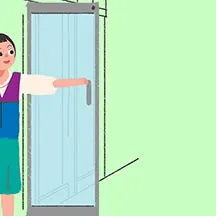
- 문
- 자리
- 고추
- 손님
Ver respuesta
1. 문
Vocabulary check
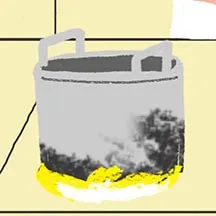
- 고추
- 손님
- 냄비
- 노래
Ver respuesta
3. 냄비
Book exercises: p. 215. The online scene quizzes above are separate practice.
Videoclase
A/V-아서/어서, N 때, A/V-(으)면서, A/V-(으)ㄹ 때, V-자마자
YouTube · 20:31Lecciones relacionadas
- ~아서/어서 — ‘∼아서/어서’ une dos acciones o situaciones bajo una relación de causa y efecto. • 아서 : Se lo usa cuando la última sílaba de la raíz de un verbo o adjetivo tiene ‘ㅏ’ u ‘ㅗ’[아람은 책상에 앉아서 시험 문제를 만들어요.] • 어서 : Se lo usa cuando la última sílaba de la raíz de un verbo o adjetivo no tiene ‘ㅏ’ ni ‘ㅗ’[로한은 컴퓨터를 켜서 기획서를 작성해요.]
- 때 — ‘때’ (cuando) indica un tiempo especificado, la hora o el momento. • 아람은 고등학생 때 선생님이 되기로 결심했어요. • 카이는 스무 살 때 요리사가 되었어요.
- ~(으)면서 — Se usa ‘∼(으)면서’ (mientras) cuando se realiza una acción o situación, realizando al mismo tiempo otra acción o situación. O sea, indica que más de dos acciones o situaciones pasan al mismo tiempo. • 으면서 : Se lo usa para la raíz que termina con consonante soporte, excepto ‘ㄹ’.[로한은 자리에 앉으면서 컴퓨터를 켰어요.] • 면서 : Se lo usa para la raíz que termina con la consonante soporte ‘ㄹ’ o con vocal.[히토미는 학교에 다니면서 아르바이트도 해요.]
- ~자마자 — Se usa ‘∼자마자’ (en cuanto) cuando pasa una acción o situación inmediatamente después de otra acción o situación. • 히토미는 수업이 끝나자마자 편의점으로 갔어요. • 로한이 컴퓨터를 켜자마자 메시지가 도착했어요.