Food
안 V-아요/어요
Explanation
Put 안 before the conjugated verb for short negation. With many noun + 하다 verbs, put 안 between the noun and 해요.
저는 커피를 안 마셔요.
I don’t drink coffee.
Seemile Korean Book · Food · p. 48
Form and use
안: willful negation. 못: inability. -지 않다 / -지 못하다: formal long forms.
| Condition | Form | Example |
|---|---|---|
| 의지 부정 | 안 + V | 존은 안 자요 (won't sleep) |
| 능력 부정 | 못 + V | 히토미는 못 가요 (can't go) |
| 하다 복합어 | N + 안/못 해요 | 공부 안 해요 ✅ · 안 공부해요 ❌ |
존은 오늘 안 와요
John won't come today
히토미는 술을 못 마셔요
Hitomi can't drink alcohol
Examples in context
존이 서점에 안 가요.
John doesn't go to the bookstore.
| Word | In this sentence | Meaning |
|---|---|---|
| 존 | 존이 | John |
| 서점 | 서점에 | bookstore |
| 안 | 안 | don't |
| 가다 | 가요 | go |
카이가 생선을 안 사요.
Kai doesn't buy fish.
| Word | In this sentence | Meaning |
|---|---|---|
| 카이 | 카이가 | Kai |
| 생선 | 생선을 | fish |
| 안 | 안 | don't |
| 사다 | 사요 | buy |
저는 차를 안 마셔요.
I don't drink tea.
| Word | In this sentence | Meaning |
|---|---|---|
| 저 | 저는 | I |
| 차 | 차를 | tea |
| 안 | 안 | don't |
| 마시다 | 마셔요 | drink |
로한이 접시를 안 씻어요.
Rohan doesn't wash plates.
| Word | In this sentence | Meaning |
|---|---|---|
| 로한 | 로한이 | Rohan |
| 접시 | 접시를 | plate |
| 안 | 안 | don't |
| 씻다 | 씻어요 | wash |
히토미가 스파게티를 안 먹어요.
Hitomi doesn't eat spaghetti.
| Word | In this sentence | Meaning |
|---|---|---|
| 히토미 | 히토미가 | Hitomi |
| 스파게티 | 스파게티를 | spaghetti |
| 안 | 안 | don't |
| 먹다 | 먹어요 | eat |
Vocabulary
- 존
- John
- 서점
- bookstore
- 안
- don't
- 가다
- go
- 카이
- Kai
- 생선
- fish
- 사다
- buy
- 저
- I
- 차
- tea
- 마시다
- drink
- 로한
- Rohan
- 접시
- plate
- 씻다
- wash
- 히토미
- Hitomi
- 스파게티
- spaghetti
- 먹다
- eat
Practice
- Read one Korean example aloud, then cover it and rebuild the sentence from its meaning.
- Identify the form explained above and compare it with the forms in the word table.
- Change one person, place or object while keeping the grammar and speech level consistent. Check your sentence against the rule.
Vocabulary check

- 식당
- 고기
- 서점
- 커피
Show answer
3. 서점
Vocabulary check
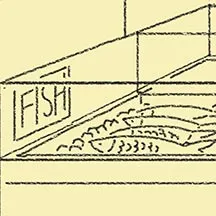
- 생선
- 고기
- 서점
- 채소
Show answer
1. 생선
Book exercises: p. 55. The online scene quizzes above are separate practice.
Video lesson
Make Korean sentences, 존이 식당에 가요, 저는 차를 안 마셔요, 카이는 생선을 사요?
YouTube · 34:28Related lessons
- V-아요/어요 — In polite present speech, add 아요 when the stem’s last vowel is ㅏ or ㅗ and 어요 otherwise. 하다 becomes 해요. Vowels often contract.
- V-지 않아요 — Attach 지 않아요 to the verb stem for long negation.
- V-아요/어요? — The polite present question has the same ending as the statement. Use a question mark in writing and usually rising intonation in speech.
- N이/가 — 이 and 가 mark the subject. Use 이 after a consonant and 가 after a vowel.