Weather
Compare Tenses‐Negative Sentences (1)
Explanation
With short negation, 안 stays before the verb while the ending expresses time.
안 갔어요. 안 가요. 안 갈 거예요.
I didn’t go. I don’t go. I won’t go.
Seemile Korean Book · Weather · p. 86
Examples in context
어제는 비가 안 내렸어요.
It didn't rain yesterday.
| Word | In this sentence | Meaning |
|---|---|---|
| 어제 | 어제는 | yesterday |
| 비 | 비가 | rain |
| 안 | 안 | don't |
| 내리다 | 내렸어요 | rain |
히토미는 안 추웠어요.
Hitomi didn't feel cold.
| Word | In this sentence | Meaning |
|---|---|---|
| 히토미 | 히토미는 | Hitomi |
| 안 | 안 | be not |
| 춥다 | 추웠어요 | cold |
오늘은 날씨가 안 맑아요.
It is not sunny today.
| Word | In this sentence | Meaning |
|---|---|---|
| 오늘 | 오늘은 | today |
| 날씨 | 날씨가 | weather |
| 안 | 안 | be not |
| 맑다 | 맑아요 | sunny |
히토미는 빨래를 안 널어요.
Hitomi doesn't hang out the laundry.
| Word | In this sentence | Meaning |
|---|---|---|
| 히토미 | 히토미는 | Hitomi |
| 빨래 | 빨래를 | laundry |
| 안 | 안 | don't |
| 널다 | 널어요 | hang |
내일은 바람이 안 불 거예요.
It will not be windy tomorrow.
| Word | In this sentence | Meaning |
|---|---|---|
| 내일 | 내일은 | tomorrow |
| 바람 | 바람이 | wind |
| 안 | 안 | be not |
| 불다 | 불 | blow |
| 거다 | 거예요 | will |
Vocabulary
- 어제
- yesterday
- 비
- rain
- 안
- be not
- 내리다
- rain
- 히토미
- Hitomi
- 춥다
- cold
- 오늘
- today
- 날씨
- weather
- 맑다
- sunny
- 빨래
- laundry
- 널다
- hang
- 내일
- tomorrow
- 바람
- wind
- 불다
- blow
- 거다
- will
Practice
- Read one Korean example aloud, then cover it and rebuild the sentence from its meaning.
- Identify the form explained above and compare it with the forms in the word table.
- Change one person, place or object while keeping the grammar and speech level consistent. Check your sentence against the rule.
Vocabulary check
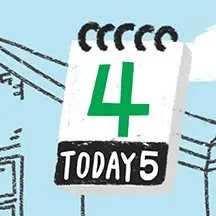
- 비
- 춥다
- 빨래
- 어제
Show answer
4. 어제
Vocabulary check
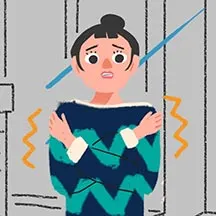
- 널다
- 불다
- 내리다
- 춥다
Show answer
4. 춥다
Book exercises: p. 91. The online scene quizzes above are separate practice.
Video lesson
Compare Tenses; Declarative, Negative, Interrogative, N의
YouTube · 19:28Related lessons
- Compare Tenses–Declarative Sentences — Compare the plain polite statement endings for past, present and future. Match the ending to words such as 어제, 오늘 and 내일.
- Compare Tenses‐Negative Sentences (2) — With long negation, the tense is carried by 않다, after the main stem and 지.
- Compare Tenses‐Interrogative Sentences — Question intonation works with past, present and future endings.
- N의 — Attach 의 to the possessor before the thing possessed. In speech, possessive 의 is often pronounced 에.