La profesión
~(으)면서
Explicación
Se usa ‘∼(으)면서’ (mientras) cuando se realiza una acción o situación, realizando al mismo tiempo otra acción o situación. O sea, indica que más de dos acciones o situaciones pasan al mismo tiempo.
• 으면서 : Se lo usa para la raíz que termina con consonante soporte, excepto ‘ㄹ’.[로한은 자리에 앉으면서 컴퓨터를 켰어요.]
• 면서 : Se lo usa para la raíz que termina con la consonante soporte ‘ㄹ’ o con vocal.[히토미는 학교에 다니면서 아르바이트도 해요.]
음악을 들으면서 일해요.
I work while listening to music.
Seemile Korean Book · La profesión · p. 210
Form and use
-(으)면서: two actions happening simultaneously by the same subject.
| Condition | Form | Example |
|---|---|---|
| 받침 X / ㄹ | V 어간 + 면서 | 가면서 · 노래하면서 |
| 받침 O | V 어간 + 으면서 | 먹으면서 · 읽으면서 |
음악을 들으면서 공부해요
I study while listening to music
카이는 요리하면서 노래를 불러요
Kai sings while cooking
Ejemplos en contexto
히토미는 학교에 다니면서 /아르바이트도 해요.
Hitomi estudia en la escuela y trabaja también.
| Word | In this sentence | Meaning |
|---|---|---|
| 히토미 | 히토미는 | Hitomi |
| 학교 | 학교에 | escuela |
| 다니다 | 다니면서 | ir |
| 아르바이트 | 아르바이트도 | trabajo |
| 하다 | 해요 | hacer |
존은 자리에 앉으면서 컴퓨터를 켰어요.
John encendió su ordenador mientras se sentaba en la silla.
| Word | In this sentence | Meaning |
|---|---|---|
| 존 | 존은 | John |
| 자리 | 자리에 | silla |
| 앉다 | 앉으면서 | sentarse |
| 컴퓨터 | 컴퓨터를 | ordenador |
| 켜다 | 켰어요 | encender |
카이는 요리를 하면서 노래를 불렀어요.
Kai cantaba mientras cocinaba.
| Word | In this sentence | Meaning |
|---|---|---|
| 카이 | 카이는 | Kai |
| 요리 | 요리를 | cocina |
| 하다 | 하면서 | hacer |
| 노래 | 노래를 | canción |
| 부르다 | 불렀어요 | cantar |
존은 기사를 읽으면서 메모했어요.
John apuntaba mientras leía el artículo.
| Word | In this sentence | Meaning |
|---|---|---|
| 존 | 존은 | John |
| 기사 | 기사를 | artículo |
| 읽다 | 읽으면서 | leer |
| 메모하다 | 메모했어요 | apuntar |
Vocabulario
- 히토미
- Hitomi
- 학교
- escuela
- 다니다
- ir
- 아르바이트
- trabajo
- 하다
- hacer
- 존
- John
- 자리
- silla
- 앉다
- sentarse
- 컴퓨터
- ordenador
- 켜다
- encender
- 카이
- Kai
- 요리
- cocina
- 노래
- canción
- 부르다
- cantar
- 기사
- artículo
- 읽다
- leer
- 메모하다
- apuntar
Práctica
- Read one Korean example aloud, then cover it and rebuild the sentence from its meaning.
- Identify the form explained above and compare it with the forms in the word table.
- Change one person, place or object while keeping the grammar and speech level consistent. Check your sentence against the rule.
Vocabulary check

- 완료하다
- 오다
- 다니다
- 결심하다
Ver respuesta
3. 다니다
Vocabulary check
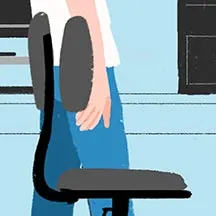
- 책장
- 책상
- 자리
- 식탁
Ver respuesta
3. 자리
Book exercises: p. 215. The online scene quizzes above are separate practice.
Videoclase
A/V-아서/어서, N 때, A/V-(으)면서, A/V-(으)ㄹ 때, V-자마자
YouTube · 20:31Lecciones relacionadas
- ~아서/어서 — ‘∼아서/어서’ une dos acciones o situaciones bajo una relación de causa y efecto. • 아서 : Se lo usa cuando la última sílaba de la raíz de un verbo o adjetivo tiene ‘ㅏ’ u ‘ㅗ’[아람은 책상에 앉아서 시험 문제를 만들어요.] • 어서 : Se lo usa cuando la última sílaba de la raíz de un verbo o adjetivo no tiene ‘ㅏ’ ni ‘ㅗ’[로한은 컴퓨터를 켜서 기획서를 작성해요.]
- 때 — ‘때’ (cuando) indica un tiempo especificado, la hora o el momento. • 아람은 고등학생 때 선생님이 되기로 결심했어요. • 카이는 스무 살 때 요리사가 되었어요.
- ~(으)ㄹ 때 — ‘∼(으)ㄹ 때’ (cuando) se une a un verbo o adjetivo para indicar el tiempo en el que pasa una acción o situación. • 을 때 : Se lo usa para la raíz que termina con consonante soporte, excepto ‘ㄹ’.[로한이 메일을 읽을 때 문자가 왔어요.] • ㄹ 때 : Se lo usa para la raíz que termina con la consonante soporte ‘ㄹ’ o con vocal.[카이가 새우를 튀길 때 소스 냄비가 타고 있었어요.]
- ~자마자 — Se usa ‘∼자마자’ (en cuanto) cuando pasa una acción o situación inmediatamente después de otra acción o situación. • 히토미는 수업이 끝나자마자 편의점으로 갔어요. • 로한이 컴퓨터를 켜자마자 메시지가 도착했어요.