La etiqueta
~(으)면 안 돼요, ~지 않아도 돼요
Explicación
Se usa ‘∼(으)면 안 돼요’ para prohibir hacer algo. Se usa ‘∼지 않아도 돼요’ para indicar que no es necesario hacer algo. ‘안 ∼아도 돼요/어도 돼요’ significa igual que ‘∼지 않아도 돼요’.
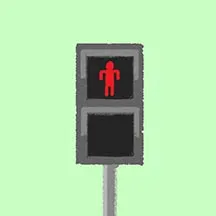
• 빨간불일 때는 횡단보도를 건너면 안 돼요.
• 국립박물관은 입장권을 사지 않아도 돼요.
여기서 뛰면 안 돼요. 지금 오지 않아도 돼요.
You mustn’t run here. You don’t have to come now.
Seemile Korean Book · La etiqueta · p. 262
Ejemplos en contexto
빨간불일 때는 횡단보도를 /건너면 안 돼요.
No puede cruzar el paso de peatones en la luz roja.
| Word | In this sentence | Meaning |
|---|---|---|
| 빨간불 | 빨간불 | luz roja |
| 이다 | 일 | ser |
| 때 | 때는 | cuando |
| 횡단보도 | 횡단보도를 | paso de peatones |
| 건너다 | 건너면 | cruzar |
| 안 | 안 | no |
| 되다 | 돼요 | poder |
골목길에서 경적을 울리면 안 돼요.
No puede sonar la bocina en la calleja.
| Word | In this sentence | Meaning |
|---|---|---|
| 골목길 | 골목길에서 | calleja |
| 경적 | 경적을 | bocina |
| 울리다 | 울리면 | sonar |
| 안 | 안 | no |
| 되다 | 돼요 | poder |
국립 박물관은 입장권을 사지 않아도 돼요.
No necesita comprar la entrada en el museo nacional.
| Word | In this sentence | Meaning |
|---|---|---|
| 국립 박물관 | 국립 박물관은 | museo nacional |
| 입장권 | 입장권을 | entrada |
| 사다 | 사지 | comprar |
| 않다 | 않아도 | no |
| 되다 | 돼요 | poder |
어린이는 버스비를 내지 않아도 돼요.
Los niños no necesitan pagar el pasaje del autobús.
| Word | In this sentence | Meaning |
|---|---|---|
| 어린이 | 어린이는 | niño |
| 버스비 | 버스비를 | pasaje del autobús |
| 내다 | 내지 | pagar |
| 않다 | 않아도 | no |
| 되다 | 돼요 | poder |
Vocabulario
- 빨간불
- luz roja
- 이다
- ser
- 때
- cuando
- 횡단보도
- paso de peatones
- 건너다
- cruzar
- 안
- no
- 되다
- poder
- 골목길
- calleja
- 경적
- bocina
- 울리다
- sonar
- 국립 박물관
- museo nacional
- 입장권
- entrada
- 사다
- comprar
- 않다
- no
- 어린이
- niño
- 버스비
- pasaje del autobús
- 내다
- pagar
Práctica
- Read one Korean example aloud, then cover it and rebuild the sentence from its meaning.
- Identify the form explained above and compare it with the forms in the word table.
- Change one person, place or object while keeping the grammar and speech level consistent. Check your sentence against the rule.
Vocabulary check
- 때
- 건너다
- 빨간불
- 안
Ver respuesta
3. 빨간불
Vocabulary check
- 골목길
- 울리다
- 경적
- 되다
Ver respuesta
3. 경적
Book exercises: p. 265. The online scene quizzes above are separate practice.
Videoclase
V-(으)세요, V-지 말아요, A/V-아야/어야 돼요/해요, A/V(으)면 안 돼요
YouTube · 17:58Lecciones relacionadas
- ~(으)세요, ~지 마세요 — Se usa ‘∼(으)세요’ para pedir o mandar hacer algo. Se usa '∼지 마세요‘ para prohibir hacer algo. • 파란불일 때 횡단보도를 건너세요. • 버스 안에서 담배를 피우지 마세요.
- ~아야/어야 돼요, ~아야/어야 해요, ~아도/어도 돼요 — Se usa ‘∼아야 돼요/어야 돼요’ o ‘∼아야 해요/어야 해요’ (necesitar hacer) cuando se necesita hacer algo o cuando se necesita ser algo. Se usa ‘∼아도 돼요/어도 돼요’ cuando se permite hacer algo. El infinitivo de ‘돼요’ es ‘되다’. ‘돼요’ es la abreviatura de ‘되어요’ que viene de ‘되(다)’+‘어요’. • 쓰레기는 쓰레기통에 버려야 돼요. • 횡단보도를 건너기 전에 주위를 살펴야 해요. • 여기에서는 사진을 찍어도 돼요. * infinitivo : 아야 되다/어야 되다