La etiqueta
~(으)세요, ~지 마세요
Explicación
Se usa ‘∼(으)세요’ para pedir o mandar hacer algo. Se usa '∼지 마세요‘ para prohibir hacer algo.
• 파란불일 때 횡단보도를 건너세요.
• 버스 안에서 담배를 피우지 마세요.
여기 앉으세요. 사진을 찍지 마세요.
Please sit here. Please don’t take photos.
Seemile Korean Book · La etiqueta · p. 259
Ejemplos en contexto
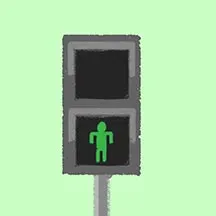
파란불일 때 횡단보도를 건너세요.
¡Cruza el paso de peatones con la luz verde!
| Word | In this sentence | Meaning |
|---|---|---|
| 파란불 | 파란불 | luz verde |
| 이다 | 일 | ser |
| 때 | 때 | cuando |
| 횡단보도 | 횡단보도를 | paso de peatones |
| 건너다 | 건너세요 | cruzar |
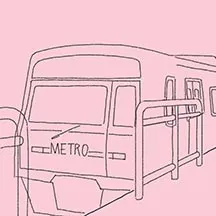
지하철을 탈 때는 줄을 서세요.
¡Haz la cola en metro!
| Word | In this sentence | Meaning |
|---|---|---|
| 지하철 | 지하철을 | metro |
| 타다 | 탈 | tomar |
| 때 | 때는 | cuando |
| 줄 | 줄을 | cola |
| 서다 | 서세요 | hacer |
버스 안에서 담배를 피우지 마세요.
¡No fumes adentro del autobús!
| Word | In this sentence | Meaning |
|---|---|---|
| 버스 | 버스 | autobús |
| 안 | 안에서 | adentro |
| 담배 | 담배를 | tabaco |
| 피우다 | 피우지 | fumar |
| 말다 | 마세요 | no |
공원에서 큰 소리로 떠들지 마세요.
¡No hagas mucho ruido en el parque!
| Word | In this sentence | Meaning |
|---|---|---|
| 공원 | 공원에서 | parque |
| 크다 | 큰 | alto |
| 소리 | 소리로 | sonido |
| 떠들다 | 떠들지 | hacer un ruido |
| 말다 | 마세요 | no |
Vocabulario
- 파란불
- luz verde
- 이다
- ser
- 때
- cuando
- 횡단보도
- paso de peatones
- 건너다
- cruzar
- 지하철
- metro
- 타다
- tomar
- 줄
- cola
- 서다
- hacer
- 버스
- autobús
- 안
- adentro
- 담배
- tabaco
- 피우다
- fumar
- 말다
- no
- 공원
- parque
- 크다
- alto
- 소리
- sonido
- 떠들다
- hacer un ruido
Práctica
- Read one Korean example aloud, then cover it and rebuild the sentence from its meaning.
- Identify the form explained above and compare it with the forms in the word table.
- Change one person, place or object while keeping the grammar and speech level consistent. Check your sentence against the rule.
Vocabulary check
- 때문
- 횡단보도
- 파란불
- 건너다
Ver respuesta
3. 파란불
Vocabulary check
- 줄
- 지하철
- 서다
- 횡단보도
Ver respuesta
2. 지하철
Book exercises: p. 265. The online scene quizzes above are separate practice.
Videoclase
V-(으)세요, V-지 말아요, A/V-아야/어야 돼요/해요, A/V(으)면 안 돼요
YouTube · 17:58Lecciones relacionadas
- ~아야/어야 돼요, ~아야/어야 해요, ~아도/어도 돼요 — Se usa ‘∼아야 돼요/어야 돼요’ o ‘∼아야 해요/어야 해요’ (necesitar hacer) cuando se necesita hacer algo o cuando se necesita ser algo. Se usa ‘∼아도 돼요/어도 돼요’ cuando se permite hacer algo. El infinitivo de ‘돼요’ es ‘되다’. ‘돼요’ es la abreviatura de ‘되어요’ que viene de ‘되(다)’+‘어요’. • 쓰레기는 쓰레기통에 버려야 돼요. • 횡단보도를 건너기 전에 주위를 살펴야 해요. • 여기에서는 사진을 찍어도 돼요. * infinitivo : 아야 되다/어야 되다
- ~(으)면 안 돼요, ~지 않아도 돼요 — Se usa ‘∼(으)면 안 돼요’ para prohibir hacer algo. Se usa ‘∼지 않아도 돼요’ para indicar que no es necesario hacer algo. ‘안 ∼아도 돼요/어도 돼요’ significa igual que ‘∼지 않아도 돼요’. • 빨간불일 때는 횡단보도를 건너면 안 돼요. • 국립박물관은 입장권을 사지 않아도 돼요.