Los almacenes
~았어요?/었어요?
Explicación
El pretérito de una oración interrogativa tiene la misma forma del pretérito de una oración declarativa, pero la entonación es diferente. Para hacer la expresión informal, se necesita omitir la última sílaba '요‘, como ‘아람은 어제 전시회에 갔어?' (¿Aram fue a la exposición ayer?)
• 아람은 어제 전시회에 갔어요?
• 그곳에서 카이를 만났어요?
어제 그 옷을 샀어요?
Did you buy those clothes yesterday?
Seemile Korean Book · Los almacenes · p. 67
Ejemplos en contexto
아람 씨, 어제 전시회에 갔어요? /아니요, 저는 백화점에 갔어요.
Aram, ¿Fuiste a la exposición ayer? No, fui a los grandes almacenes.
| Word | In this sentence | Meaning |
|---|---|---|
| 아람 | 아람 씨 | Aram |
| 어제 | 어제 | ayer |
| 전시회 | 전시회에 | exposición |
| 가다 | 갔어요? | ir |
| 아니 | 아니요 | no |
| 저 | 저는 | yo |
| 백화점 | 백화점에 | grandes almacenes |
| 가다 | 갔어요 | ir |
그곳에서 카이를 만났어요? /아니요, 저는 히토미를 만났어요.
¿Encontraste a Kai allá? No, encontré a Hitomi.
| Word | In this sentence | Meaning |
|---|---|---|
| 그곳 | 그곳에서 | allá |
| 카이 | 카이를 | Kai |
| 만나다 | 만났어요? | encontrar |
| 아니 | 아니요 | no |
| 저 | 저는 | yo |
| 히토미 | 히토미를 | Hitomi |
| 만나다 | 만났어요 | encontrar |
히토미는 치마를 샀어요? /네, 히토미는 치마를 샀어요.
¿Hitomi compró una falda? Sí, Hitomi compró una falda.
| Word | In this sentence | Meaning |
|---|---|---|
| 히토미 | 히토미는 | Hitomi |
| 치마 | 치마를 | falda |
| 사다 | 샀어요? | comprar |
| 네 | 네 | Sí |
| 히토미 | 히토미는 | Hitomi |
| 치마 | 치마를 | falda |
| 사다 | 샀어요 | comprar |
아람 씨는 커피를 안 마셨어요? /아니요, 저는 커피를 마셨어요.
Aram, ¿No tomó café? Sí, tomé café.
| Word | In this sentence | Meaning |
|---|---|---|
| 아람 | 아람 씨는 | Aram |
| 커피 | 커피를 | café |
| 안 | 안 | no |
| 마시다 | 마셨어요? | tomar |
| 아니 | 아니요 | no |
| 저 | 저는 | yo |
| 커피 | 커피를 | café |
| 마시다 | 마셨어요 | tomar |
Vocabulario
- 아람
- Aram
- 어제
- ayer
- 전시회
- exposición
- 가다
- ir
- 아니
- no
- 저
- yo
- 백화점
- grandes almacenes
- 그곳
- allá
- 카이
- Kai
- 만나다
- encontrar
- 히토미
- Hitomi
- 치마
- falda
- 사다
- comprar
- 네
- Sí
- 커피
- café
- 안
- no
- 마시다
- tomar
Práctica
- Read one Korean example aloud, then cover it and rebuild the sentence from its meaning.
- Identify the form explained above and compare it with the forms in the word table.
- Change one person, place or object while keeping the grammar and speech level consistent. Check your sentence against the rule.
Vocabulary check
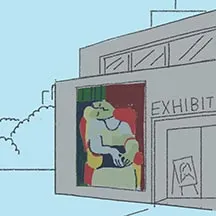
- 전시회
- 치마
- 바지
- 에스컬레이터
Ver respuesta
1. 전시회
Vocabulary check

- 우유
- 치마
- 그곳
- 커피
Ver respuesta
3. 그곳
Book exercises: p. 71. The online scene quizzes above are separate practice.
Videoclase
Past tenses V-았어요/었어요, 안 V-았어요/었어요, V-지 않았어요, V-았어요/었어요?
YouTube · 28:46Lecciones relacionadas
- ~았어요/었어요(동사) — ‘∼았어요/었어요’ es la desinencia para formar el pretérito. ‘∼았어요/었어요’ es la expresión formal. Para hacer la expresión informal, se necesita omitir la última sílaba '요‘, como ‘나는 어제 백화점에 갔어’ (Yo fui a los almacenes ayer). • 았어요 : Se lo usa cuando la última sílaba de la raíz de un verbo tiene ‘ㅏ’ u ‘ㅗ’[나는 어제 백화점에 갔어요.](가(다)+았어요 → 가았어요 → 갔어요) • 었어요 : Se lo usa cuando la última la última sílaba de la raíz de un verbo no tiene ‘ㅏ’ ni ‘ㅗ’[우리는 커피를 마셨어요.](마시(다)+었어요 → 마시었어요 → 마셨어요) * Cuando la sílaba antes de ‘었어요’ termina con la vocal ‘ㅣ’, se omite ‘ㅣ’ y cambia ‘었어요’ por ‘였어요’. ‘마시+었어요’=‘마셨어요'
- 안 ~았어요/었어요 — 안 ∼았어요/었어요' es el componente (adverbio + desinencia) que forma el negativo del pretérito de un verbo, y se ubica ‘안’ antes del verbo. Para hacer la expresión informal, se necesita omitir la última sílaba '요‘, como ‘나는 어제 백화점에 안 갔어' (Yo no fui a los almacenes ayer). • 우리는 백화점에 안 갔어요. • 그곳에서 카이를 안 만났어요.
- ~지 않았어요 — ‘∼지 않았어요’ es el componente (desinencia + verbo) que hace el negativo del pretérito de un verbo, y tiene el mismo significado que la variante ‘안 ∼았어요/었어요’. Se une a la raíz de un verbo, o sea se lo ubica en lugar de '다‘ en el infinitivo de un verbo. Para hacer la expresión informal, se necesita omitir la última sílaba '요‘, como ‘나는 어제 백화점에 가지 않았어' (Yo no fui a los almacenes ayer). • 우리는 백화점에 가지 않았어요. • 그곳에서 카이를 만나지 않았어요. * Binfinitivo : 지 않다
- 을/를 — ‘을/를’ es la partícula pospositiva que se une a un sustantivo para indicar el objeto de una oración. • 을 : Se lo usa después del sustantivo que termina con una sílaba con consonante soporte[히토미는 화장품을 사지 않았어요.] • 를 : Se lo usa después del sustantivo que termina con una sílaba sin consonante soporte[우리는 스카프를 골랐어요.] * Conjugación irregular ‘르’: ‘르’ se cambia por ‘ㄹㄹ’ en varios verbos y adjetivos cuyas raíces terminan con ‘르’.