Los almacenes
~지 않았어요
Explicación
‘∼지 않았어요’ es el componente (desinencia + verbo) que hace el negativo del pretérito de un verbo, y tiene el mismo significado que la variante ‘안 ∼았어요/었어요’. Se une a la raíz de un verbo, o sea se lo ubica en lugar de '다‘ en el infinitivo de un verbo. Para hacer la expresión informal, se necesita omitir la última sílaba '요‘, como ‘나는 어제 백화점에 가지 않았어' (Yo no fui a los almacenes ayer).
• 우리는 백화점에 가지 않았어요.
• 그곳에서 카이를 만나지 않았어요.
* Binfinitivo : 지 않다
구두를 사지 않았어요.
I didn’t buy dress shoes.
Seemile Korean Book · Los almacenes · p. 66
Ejemplos en contexto
저는 어제 박물관에 가지 않았어요.
No fui al museo ayer.
| Word | In this sentence | Meaning |
|---|---|---|
| 저 | 저는 | yo |
| 어제 | 어제 | ayer |
| 박물관 | 박물관에 | museo |
| 가다 | 가지 | ir |
| 않다 | 않았어요 | no |
저는 백화점에서 카이를 만나지 않았어요.
No encontré a Kai allá.
| Word | In this sentence | Meaning |
|---|---|---|
| 저 | 저는 | yo |
| 백화점 | 백화점에서 | grandes almacenes |
| 카이 | 카이를 | Kai |
| 만나다 | 만나지 | encontrar |
| 않다 | 않았어요 | no |
저와 히토미는 에스컬레이터를/타지 않았어요.
Hitomi y yo no tomamos la escalera automática.
| Word | In this sentence | Meaning |
|---|---|---|
| 저 | 저와 | yo |
| 히토미 | 히토미는 | Hitomi |
| 에스컬레이터 | 에스컬레이터를 | escalera automática |
| 타다 | 타지 | tomar |
| 않다 | 않았어요 | no |
히토미는 바지를 사지 않았어요.
Hitomi no compró los pantalones.
| Word | In this sentence | Meaning |
|---|---|---|
| 히토미 | 히토미는 | Hitomi |
| 바지 | 바지를 | pantalones |
| 사다 | 사지 | comprar |
| 않다 | 않았어요 | no |
우리는 우유를 마시지 않았어요.
Nosotras no tomamos la leche.
| Word | In this sentence | Meaning |
|---|---|---|
| 우리 | 우리는 | Nosotro(a)s |
| 우유 | 우유를 | leche |
| 마시다 | 마시지 | tomar |
| 않다 | 않았어요 | no |
Vocabulario
- 저
- yo
- 어제
- ayer
- 박물관
- museo
- 가다
- ir
- 않다
- no
- 백화점
- grandes almacenes
- 카이
- Kai
- 만나다
- encontrar
- 히토미
- Hitomi
- 에스컬레이터
- escalera automática
- 타다
- tomar
- 바지
- pantalones
- 사다
- comprar
- 우리
- Nosotro(a)s
- 우유
- leche
- 마시다
- tomar
Práctica
- Read one Korean example aloud, then cover it and rebuild the sentence from its meaning.
- Identify the form explained above and compare it with the forms in the word table.
- Change one person, place or object while keeping the grammar and speech level consistent. Check your sentence against the rule.
Vocabulary check
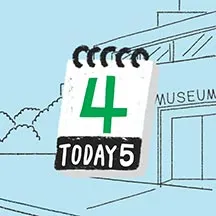
- 어제
- 엘리베이터
- 우유
- 커피
Ver respuesta
1. 어제
Vocabulary check
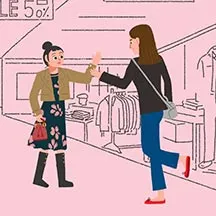
- 가다
- 만나다
- 타다
- 사다
Ver respuesta
2. 만나다
Book exercises: p. 71. The online scene quizzes above are separate practice.
Videoclase
Past tenses V-았어요/었어요, 안 V-았어요/었어요, V-지 않았어요, V-았어요/었어요?
YouTube · 28:46Lecciones relacionadas
- ~았어요/었어요(동사) — ‘∼았어요/었어요’ es la desinencia para formar el pretérito. ‘∼았어요/었어요’ es la expresión formal. Para hacer la expresión informal, se necesita omitir la última sílaba '요‘, como ‘나는 어제 백화점에 갔어’ (Yo fui a los almacenes ayer). • 았어요 : Se lo usa cuando la última sílaba de la raíz de un verbo tiene ‘ㅏ’ u ‘ㅗ’[나는 어제 백화점에 갔어요.](가(다)+았어요 → 가았어요 → 갔어요) • 었어요 : Se lo usa cuando la última la última sílaba de la raíz de un verbo no tiene ‘ㅏ’ ni ‘ㅗ’[우리는 커피를 마셨어요.](마시(다)+었어요 → 마시었어요 → 마셨어요) * Cuando la sílaba antes de ‘었어요’ termina con la vocal ‘ㅣ’, se omite ‘ㅣ’ y cambia ‘었어요’ por ‘였어요’. ‘마시+었어요’=‘마셨어요'
- 안 ~았어요/었어요 — 안 ∼았어요/었어요' es el componente (adverbio + desinencia) que forma el negativo del pretérito de un verbo, y se ubica ‘안’ antes del verbo. Para hacer la expresión informal, se necesita omitir la última sílaba '요‘, como ‘나는 어제 백화점에 안 갔어' (Yo no fui a los almacenes ayer). • 우리는 백화점에 안 갔어요. • 그곳에서 카이를 안 만났어요.
- ~았어요?/었어요? — El pretérito de una oración interrogativa tiene la misma forma del pretérito de una oración declarativa, pero la entonación es diferente. Para hacer la expresión informal, se necesita omitir la última sílaba '요‘, como ‘아람은 어제 전시회에 갔어?' (¿Aram fue a la exposición ayer?) • 아람은 어제 전시회에 갔어요? • 그곳에서 카이를 만났어요?
- 을/를 — ‘을/를’ es la partícula pospositiva que se une a un sustantivo para indicar el objeto de una oración. • 을 : Se lo usa después del sustantivo que termina con una sílaba con consonante soporte[히토미는 화장품을 사지 않았어요.] • 를 : Se lo usa después del sustantivo que termina con una sílaba sin consonante soporte[우리는 스카프를 골랐어요.] * Conjugación irregular ‘르’: ‘르’ se cambia por ‘ㄹㄹ’ en varios verbos y adjetivos cuyas raíces terminan con ‘르’.