El tiempo1
과거/현재/미래 부정문 비교
Explicación
Comparación entre las oraciones negativas en pretérito, presente y futuro.
• El pretérito : 어제는 비가 내리지 않았어요. / 히토미는 춥지 않았어요.
• El presente : 오늘은 날씨가 맑지 않아요. / 히토미는 빨래를 널지 않아요.
• El futuro : 내일은 바람이 불지 않을 거예요.
가지 않았어요. 가지 않아요. 가지 않을 거예요.
I didn’t go. I don’t go. I won’t go.
Seemile Korean Book · El tiempo1 · p. 87
Ejemplos en contexto
어제는 비가 내리지 않았어요.
Ayer no llovió.
| Word | In this sentence | Meaning |
|---|---|---|
| 어제 | 어제는 | ayer |
| 비 | 비가 | lluvia |
| 내리다 | 내리지 | llover |
| 않다 | 않았어요 | no |
히토미는 춥지 않았어요.
Hitomi no tenía frío.
| Word | In this sentence | Meaning |
|---|---|---|
| 히토미 | 히토미는 | Hitomi |
| 춥다 | 춥지 | tener frío |
| 않다 | 않았어요 | no |
오늘은 날씨가 맑지 않아요.
Hoy no es claro.
| Word | In this sentence | Meaning |
|---|---|---|
| 오늘 | 오늘은 | hoy |
| 날씨 | 날씨가 | tiempo |
| 맑다 | 맑지 | claro(a) |
| 않다 | 않아요 | no |
히토미는 빨래를 널지 않아요.
Hitomi no colga las ropas.
| Word | In this sentence | Meaning |
|---|---|---|
| 히토미 | 히토미는 | Hitomi |
| 빨래 | 빨래를 | ropa lavada |
| 널다 | 널지 | colgar |
| 않다 | 않아요 | no |
내일은 바람이 불지 않을 거예요.
Mañana no habrá viento.
| Word | In this sentence | Meaning |
|---|---|---|
| 내일 | 내일은 | mañana |
| 바람 | 바람이 | viento |
| 불다 | 불지 | soplar |
| 않다 | 않을 | no |
| 거다 | 거예요 | ir a |
Vocabulario
- 어제
- ayer
- 비
- lluvia
- 내리다
- llover
- 않다
- no
- 히토미
- Hitomi
- 춥다
- tener frío
- 오늘
- hoy
- 날씨
- tiempo
- 맑다
- claro(a)
- 빨래
- ropa lavada
- 널다
- colgar
- 내일
- mañana
- 바람
- viento
- 불다
- soplar
- 거다
- ir a
Práctica
- Read one Korean example aloud, then cover it and rebuild the sentence from its meaning.
- Identify the form explained above and compare it with the forms in the word table.
- Change one person, place or object while keeping the grammar and speech level consistent. Check your sentence against the rule.
Vocabulary check
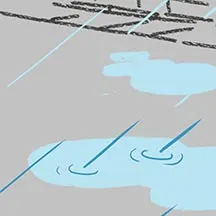
- 오늘
- 널다
- 빨래
- 비
Ver respuesta
4. 비
Vocabulary check
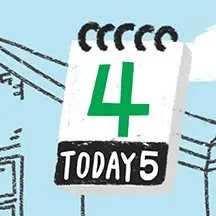
- 어제
- 오늘
- 내일
- 춥다
Ver respuesta
1. 어제
Book exercises: p. 91. The online scene quizzes above are separate practice.
Videoclase
Compare Tenses; Declarative, Negative, Interrogative, N의
YouTube · 19:28Lecciones relacionadas
- 과거/현재/미래 평서문 비교 — La comparación entre pretérito, presente y futuro • El pretérito : 어제는 비가 내렸어요. / 히토미는 추웠어요. • El presente : 오늘은 날씨가 맑아요. / 히토미는 빨래를 널어요. • El futuro : 내일은 바람이 불 거예요. * Apócope ‘ㄹ’: Apocopa ‘ㄹ’ cuando ‘∼(으)ㄴ/는' o '∼(으)러' o '∼(스)ㅂ니다' o '∼(으)세요’ une a la raíz de un verbo o adjetivo que termina con ‘ㄹ’.
- 과거/현재/미래 부정문 비교 — Comparación entre las oraciones negativas en pretérito, presente y futuro • El pretérito : 어제는 비가 안 내렸어요. / 히토미는 안 추웠어요. • El presente : 오늘은 날씨가 안 맑아요. / 히토미는 빨래를 안 널어요. • El futuro : 내일은 바람이 안 불 거예요.
- 과거/현재/미래 의문문 비교 — Comparación entre las oraciones interrogativas en pretérito, presente y futuro. • El pretérito : 히토미의 옷이 젖었어요? 네, 히토미의 옷이 젖었어요. • El presente : 오늘은 날씨가 맑아요? 네, 날씨가 맑아요 • El futuro : 내일은 바람이 불까요? 네, 내일은 바람이 불 거예요.
- 의 — ‘의’ (de) es la partícula pospositiva que se une a un sustantivo para indicar el caso posesivo o pertenencia. • 히토미의 운동화가 젖었어요. : Indica que el tenis es de Hitomi. • 아람의 외투는 빨간색이에요.