El tiempo1
의
Explicación
‘의’ (de) es la partícula pospositiva que se une a un sustantivo para indicar el caso posesivo o pertenencia.
• 히토미의 운동화가 젖었어요. : Indica que el tenis es de Hitomi.
• 아람의 외투는 빨간색이에요.
아람의 우산이에요.
It’s Aram’s umbrella.
Seemile Korean Book · El tiempo1 · p. 89
Form and use
의 marks possession or association. In casual spoken Korean it's pronounced '에' and is often dropped entirely.
| Condition | Form | Example |
|---|---|---|
| 소유 | owner + 의 + thing | 히토미의 가방 (Hitomi's bag) |
| 단축형 | 저의 → 제 · 나의 → 내 · 너의 → 네 | 제 가방 · 내 친구 |
| 구어체 생략 | 의 often dropped in speech | 친구 집 (= 친구의 집) |
이게 히토미의 가방이에요? 아니요, 제 가방이에요
Is this Hitomi's bag? No, it's my bag.
우리 학교의 도서관이 커요
Our school's library is big
Ejemplos en contexto
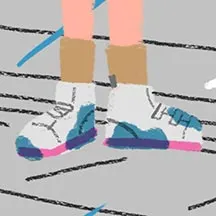
히토미의 운동화가 젖었어요.
Los tenis de Hitomi son mojados.
| Word | In this sentence | Meaning |
|---|---|---|
| 히토미 | 히토미의 | Hitomi |
| 운동화 | 운동화가 | tenis |
| 젖다 | 젖었어요 | mojado(a) |
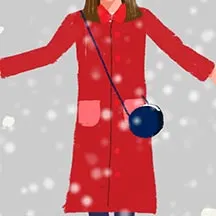
아람이의 외투는 빨간색이에요.
El abrigo de Aram es rojo.
| Word | In this sentence | Meaning |
|---|---|---|
| 아람 | 아람이의 | Aram |
| 외투 | 외투는 | abrigo |
| 빨간색 | 빨간색 | rojo(a) |
| 이다 | 이에요 | ser |
추위에 로한의 코가 빨개졌어요.
La nariz de Rohan se puso colorada por el frío.
| Word | In this sentence | Meaning |
|---|---|---|
| 추위 | 추위에 | frío |
| 로한 | 로한의 | Rohan |
| 코 | 코가 | nariz |
| 빨개지다 | 빨개졌어요 | ponerse colorado(a) |
존의 차에 눈이 쌓일 거예요.
El vehículo de John se va a cubrir con nieve.
| Word | In this sentence | Meaning |
|---|---|---|
| 존 | 존의 | John |
| 차 | 차에 | vehículo |
| 눈 | 눈이 | nieve |
| 쌓이다 | 쌓일 | cubrirse |
| 거다 | 거예요 | ir a |
Vocabulario
- 히토미
- Hitomi
- 운동화
- tenis
- 젖다
- mojado(a)
- 아람
- Aram
- 외투
- abrigo
- 빨간색
- rojo(a)
- 이다
- ser
- 추위
- frío
- 로한
- Rohan
- 코
- nariz
- 빨개지다
- ponerse colorado(a)
- 존
- John
- 차
- vehículo
- 눈
- nieve
- 쌓이다
- cubrirse
- 거다
- ir a
Práctica
- Read one Korean example aloud, then cover it and rebuild the sentence from its meaning.
- Identify the form explained above and compare it with the forms in the word table.
- Change one person, place or object while keeping the grammar and speech level consistent. Check your sentence against the rule.
Vocabulary check
- 옷
- 춥다
- 내리다
- 운동화
Ver respuesta
4. 운동화
Vocabulary check
- 신발
- 바지
- 외투
- 치마
Ver respuesta
3. 외투
Book exercises: p. 91. The online scene quizzes above are separate practice.
Videoclase
Compare Tenses; Declarative, Negative, Interrogative, N의
YouTube · 19:28Lecciones relacionadas
- 과거/현재/미래 평서문 비교 — La comparación entre pretérito, presente y futuro • El pretérito : 어제는 비가 내렸어요. / 히토미는 추웠어요. • El presente : 오늘은 날씨가 맑아요. / 히토미는 빨래를 널어요. • El futuro : 내일은 바람이 불 거예요. * Apócope ‘ㄹ’: Apocopa ‘ㄹ’ cuando ‘∼(으)ㄴ/는' o '∼(으)러' o '∼(스)ㅂ니다' o '∼(으)세요’ une a la raíz de un verbo o adjetivo que termina con ‘ㄹ’.
- 과거/현재/미래 부정문 비교 — Comparación entre las oraciones negativas en pretérito, presente y futuro • El pretérito : 어제는 비가 안 내렸어요. / 히토미는 안 추웠어요. • El presente : 오늘은 날씨가 안 맑아요. / 히토미는 빨래를 안 널어요. • El futuro : 내일은 바람이 안 불 거예요.
- 과거/현재/미래 부정문 비교 — Comparación entre las oraciones negativas en pretérito, presente y futuro. • El pretérito : 어제는 비가 내리지 않았어요. / 히토미는 춥지 않았어요. • El presente : 오늘은 날씨가 맑지 않아요. / 히토미는 빨래를 널지 않아요. • El futuro : 내일은 바람이 불지 않을 거예요.
- 과거/현재/미래 의문문 비교 — Comparación entre las oraciones interrogativas en pretérito, presente y futuro. • El pretérito : 히토미의 옷이 젖었어요? 네, 히토미의 옷이 젖었어요. • El presente : 오늘은 날씨가 맑아요? 네, 날씨가 맑아요 • El futuro : 내일은 바람이 불까요? 네, 내일은 바람이 불 거예요.