El teléfono
에게, 한테
Explicación
‘에게’ (a) es la partícula pospositiva unida a un sustantivo para indicar que es un objeto de una acción. ‘한테’ tiene lo mismo uso que ‘에게’.
• 아람한테 그렇게 전할게요 = 아람에게 그렇게 전할게요.
친구한테 문자를 보냈어요.
I sent my friend a text.
Seemile Korean Book · El teléfono · p. 144
Form and use
에게 and 한테 both mark the recipient of an action (giving, sending, calling). 한테 is casual; 에게 is formal/written.
| Condition | Form | Example |
|---|---|---|
| 에게 (formal) | person + 에게 | 선생님에게 드려요 · 존에게 보냈어요 |
| 한테 (casual) | person + 한테 | 친구한테 전화했어요 |
| FROM a person | 에게서 / 한테서 | 아람이에게서 받았어요 (from Aram) |
히토미가 아람이에게 선물을 줬어요
Hitomi gave a gift to Aram
존한테 문자를 보냈어요
I sent a text to John (casual)
Ejemplos en contexto
히토미가 아람이에게 전화를 걸었어요.
Hitomi llamó a Aram.
| Word | In this sentence | Meaning |
|---|---|---|
| 히토미 | 히토미가 | Hitomi |
| 아람 | 아람이에게 | Aram |
| 전화 | 전화를 | teléfono |
| 걸다 | 걸었어요 | llamar |
존이 로한에게 핸드폰을 건넸어요.
John pasó el celular a Rohan.
| Word | In this sentence | Meaning |
|---|---|---|
| 존 | 존이 | John |
| 로한 | 로한에게 | Rohan |
| 핸드폰 | 핸드폰을 | celular |
| 건네다 | 건넸어요 | pasar |
카이는 전화로 아람이한테 /신용카드 만드는 법을 물었어요.
Kai preguntó a Aram por llamada cómo obtiene su tarjeta de crédito.
| Word | In this sentence | Meaning |
|---|---|---|
| 카이 | 카이는 | Kai |
| 전화 | 전화로 | llamada |
| 아람 | 아람이한테 | Aram |
| 신용카드 | 신용카드 | tarjeta de crédito |
| 만들다 | 만드는 | hacer |
| 법 | 법을 | manera |
| 묻다 | 물었어요 | preguntar |
히토미는 아람이한테 /존의 전화번호를 물었어요.
Hitomi preguntó a Aram qué es el número de John.
| Word | In this sentence | Meaning |
|---|---|---|
| 히토미 | 히토미는 | Hitomi |
| 아람 | 아람이한테 | Aram |
| 존 | 존의 | John |
| 전화번호 | 전화번호를 | número de teléfono |
| 묻다 | 물었어요 | preguntar |
Vocabulario
- 히토미
- Hitomi
- 아람
- Aram
- 전화
- llamada
- 걸다
- llamar
- 존
- John
- 로한
- Rohan
- 핸드폰
- celular
- 건네다
- pasar
- 카이
- Kai
- 신용카드
- tarjeta de crédito
- 만들다
- hacer
- 법
- manera
- 묻다
- preguntar
- 전화번호
- número de teléfono
Práctica
- Read one Korean example aloud, then cover it and rebuild the sentence from its meaning.
- Identify the form explained above and compare it with the forms in the word table.
- Change one person, place or object while keeping the grammar and speech level consistent. Check your sentence against the rule.
Vocabulary check
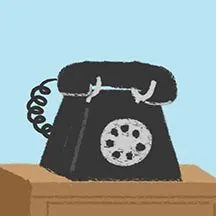
- 끊다
- 걸다
- 전화
- 쉬다
Ver respuesta
3. 전화
Vocabulary check
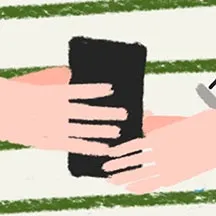
- 병원
- 핸드폰
- 가게
- 쉬다
Ver respuesta
2. 핸드폰
Book exercises: p. 147. The online scene quizzes above are separate practice.
Videoclase
V-아야겠어요/어야겠어요, V-(으)ㄹ게요, V-(으)ㄹ래요, N에게, N한테
YouTube · 22:01Lecciones relacionadas
- ~겠어요 — 겠어요' expresa la intención o voluntad del hablante. • 카이에게 전화를 걸어야겠어요.: Aram expresa su voluntad de llamar a Kai ahora. * Binfinitivo : 겠다
- ~(으)ㄹ게요 — ‘∼(으)ㄹ게요’ expresa la voluntad del hablante. • 을게요 : Se lo usa para la raíz que termina con consonante soporte, excepto ‘ㄹ’[히토미, 전화 끊을게요.] • ㄹ게요 : Se lo usa para la raíz que termina con la consonante soporte ‘ㄹ’ o con vocal.[네, 히토미 바꿔줄게요]
- ~(으)ㄹ래요 — ‘∼ㄹ래요’ expresa la voluntad o propósito del hablante. • 오늘 우리 집에 올래요? • 오늘 저녁은 집에서 쉴래요.