Telefone
에게, 한테
Explicação
‘에게’ é uma posposição que mostra o substantivo na frente dele é objeto de determinada ação. '한테' e '에게' têm o mesmo uso.
• 아람한테 그렇게 전할게요. = 아람에게 그렇게 전할게요.
친구한테 문자를 보냈어요.
I sent my friend a text.
Seemile Korean Book · Telefone · p. 144
Form and use
에게 and 한테 both mark the recipient of an action (giving, sending, calling). 한테 is casual; 에게 is formal/written.
| Condition | Form | Example |
|---|---|---|
| 에게 (formal) | person + 에게 | 선생님에게 드려요 · 존에게 보냈어요 |
| 한테 (casual) | person + 한테 | 친구한테 전화했어요 |
| FROM a person | 에게서 / 한테서 | 아람이에게서 받았어요 (from Aram) |
히토미가 아람이에게 선물을 줬어요
Hitomi gave a gift to Aram
존한테 문자를 보냈어요
I sent a text to John (casual)
Exemplos em contexto
히토미가 아람이에게 전화를 걸었어요.
Hitomi ligou para Aram.
| Word | In this sentence | Meaning |
|---|---|---|
| 히토미 | 히토미가 | Hitomi |
| 아람 | 아람이에게 | Aram |
| 전화 | 전화를 | telefone |
| 걸다 | 걸었어요 | ligar |
존이 로한에게 핸드폰을 건넸어요.
John entregou o celular para Rohan.
| Word | In this sentence | Meaning |
|---|---|---|
| 존 | 존이 | John |
| 로한 | 로한에게 | Rohan |
| 핸드폰 | 핸드폰을 | celular |
| 건네다 | 건넸어요 | entregar |
카이는 전화로 아람이한테 /신용카드 만드는 법을 물었어요.
Kai perguntou a Aram como fazer um cartão de crédito por telefone.
| Word | In this sentence | Meaning |
|---|---|---|
| 카이 | 카이는 | Kai |
| 전화 | 전화로 | telefone |
| 아람 | 아람이한테 | Aram |
| 신용카드 | 신용카드 | cartão de crédito |
| 만들다 | 만드는 | fazer |
| 법 | 법을 | como |
| 묻다 | 물었어요 | perguntar |
히토미는 아람이한테 /존의 전화번호를 물었어요.
Hitomi perguntou a Aram o número de telefone de John.
| Word | In this sentence | Meaning |
|---|---|---|
| 히토미 | 히토미는 | Hitomi |
| 아람 | 아람이한테 | Aram |
| 존 | 존의 | John |
| 전화번호 | 전화번호를 | número de telefone |
| 묻다 | 물었어요 | perguntar |
Vocabulário
- 히토미
- Hitomi
- 아람
- Aram
- 전화
- telefone
- 걸다
- ligar
- 존
- John
- 로한
- Rohan
- 핸드폰
- celular
- 건네다
- entregar
- 카이
- Kai
- 신용카드
- cartão de crédito
- 만들다
- fazer
- 법
- como
- 묻다
- perguntar
- 전화번호
- número de telefone
Prática
- Read one Korean example aloud, then cover it and rebuild the sentence from its meaning.
- Identify the form explained above and compare it with the forms in the word table.
- Change one person, place or object while keeping the grammar and speech level consistent. Check your sentence against the rule.
Vocabulary check
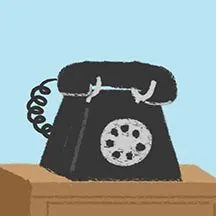
- 끊다
- 걸다
- 전화
- 쉬다
Ver resposta
3. 전화
Vocabulary check
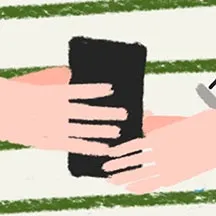
- 병원
- 핸드폰
- 가게
- 쉬다
Ver resposta
2. 핸드폰
Book exercises: p. 147. The online scene quizzes above are separate practice.
Videoaula
V-아야겠어요/어야겠어요, V-(으)ㄹ게요, V-(으)ㄹ래요, N에게, N한테
YouTube · 22:01Lições relacionadas
- ~겠어요 — ‘~겠어요’ é um sufixo que é adicionado após o verbo para mostrar a intenção ou a vontade do falante. • 카이에게 전화를 걸어야겠어요. : Aram está mostrando sua intenção de ligar para Kai. * Forma básica : ~겠다
- ~(으)ㄹ게요 — ‘~(으)ㄹ게요’ é sufixo que é adicionado após o verbo para mostrar a vontade do falante de fazer algo. • 을게요 : Usado quando a sílaba anterior termina com uma consoante, exceto ㄹ[히토미, 전화 끊을게요.] • ㄹ게요 : Usado quando a sílaba anterior termina com uma vogal ou 'ㄹ'[네, 히토미 바꿔줄게요] * Forma básica : ~을거다/ㄹ거다
- ~(으)ㄹ래요 — ‘~(으)ㄹ래요’ é sufixo que é adicionado após o verbo para mostrar que ele ou ela pretende fazer algo. • 오늘 우리 집에 올래요? • 오늘 저녁은 집에서 쉴래요.