La esperanza
~았으면 좋겠어요/었으면 좋겠어요
Explicación
‘∼았으면/었으면 좋겠어요’ expresa la esperanza o deseo del hablante.
• 았으면 : Se lo usa cuando la última sílaba de la raíz de un verbo o adjetivo tiene ‘ㅏ’ u ‘ㅗ’[할머니가 오래 살았으면 좋겠어요.]
• 었으면 : Se lo usa cuando la última sílaba de la raíz de un verbo o adjetivo no tiene ‘ㅏ’ ni ‘ㅗ’[마당에 나무를 심었으면 좋겠어요.]
내일 날씨가 좋았으면 좋겠어요.
I hope the weather is nice tomorrow.
Seemile Korean Book · La esperanza · p. 149
Ejemplos en contexto
눈이 내렸으면 좋겠어요.
Espero que nieve.
| Word | In this sentence | Meaning |
|---|---|---|
| 눈 | 눈이 | nieve |
| 내리다 | 내렸으면 | nevar |
| 좋다 | 좋겠어요 | esperar |
할머니가 오래 사셨으면 좋겠어요.
Espero que mi abuela viva largamente.
| Word | In this sentence | Meaning |
|---|---|---|
| 할머니 | 할머니가 | abuela |
| 오래 | 오래 | largamente |
| 살다 | 사셨으면 | vivir |
| 좋다 | 좋겠어요 | esperar |
마당에 나무를 심었으면 좋겠어요.
Espero plantar un árbol en patio.
| Word | In this sentence | Meaning |
|---|---|---|
| 마당 | 마당에 | patio |
| 나무 | 나무를 | árbol |
| 심다 | 심었으면 | plantar |
| 좋다 | 좋겠어요 | esperar |
업무가 빨리 끝났으면 좋겠어요.
Espero que el trabajo termine pronto.
| Word | In this sentence | Meaning |
|---|---|---|
| 업무 | 업무가 | trabajo |
| 빨리 | 빨리 | pronto |
| 끝나다 | 끝났으면 | terminar |
| 좋다 | 좋겠어요 | esperar |
Vocabulario
- 눈
- nieve
- 내리다
- nevar
- 좋다
- esperar
- 할머니
- abuela
- 오래
- largamente
- 살다
- vivir
- 마당
- patio
- 나무
- árbol
- 심다
- plantar
- 업무
- trabajo
- 빨리
- pronto
- 끝나다
- terminar
Práctica
- Read one Korean example aloud, then cover it and rebuild the sentence from its meaning.
- Identify the form explained above and compare it with the forms in the word table.
- Change one person, place or object while keeping the grammar and speech level consistent. Check your sentence against the rule.
Vocabulary check

- 비
- 바람
- 춤
- 눈
Ver respuesta
4. 눈
Vocabulary check
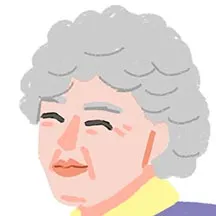
- 선생님
- 간호사
- 아내
- 할머니
Ver respuesta
4. 할머니
Book exercises: p. 154. The online scene quizzes above are separate practice.
Videoclase
V-고 싶어요, A/V-았으면/었으면 좋겠어요, N처럼, N같이, N보다, N만큼
YouTube · 18:53Lecciones relacionadas
- ~고 싶어요 — ‘∼고 싶어요’ expresa la esperanza o deseo del hablante. • 나는 피아노를 잘 치고 싶어요. : Expresó su esperanza de tocar bien el piano. • 나는 한국말을 유창하게 하고 싶어요. * Binfinitivo : 고 싶다
- 처럼, 같이 — ‘같이’ (como) es la partícula pospositiva unida a un sustantivo para indicar la semejanza en la situación, la forma o el acto. '처럼' tiene el mismo uso que '같이'. • 댄서같이 춤을 잘 추고 싶어요. = 댄서처럼 춤을 잘 추고 싶어요.
- 보다, 만큼 — ‘보다’ (que) es la partícula pospositiva unida a un sustantivo para indicar que es el objeto de una comparación. '만큼' (tan∼como) es la partícula pospositiva unida a un sustantivo para indicar la igualdad en grado o límite. • 로한은 호나우두보다 축구를 잘하고 싶어요. • 아람은 히토미만큼 일본어를 잘하고 싶어요.