La esperanza
보다, 만큼
Explicación
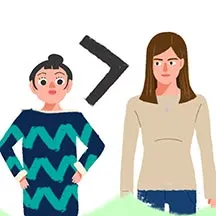
‘보다’ (que) es la partícula pospositiva unida a un sustantivo para indicar que es el objeto de una comparación. '만큼' (tan∼como) es la partícula pospositiva unida a un sustantivo para indicar la igualdad en grado o límite.
• 로한은 호나우두보다 축구를 잘하고 싶어요.
• 아람은 히토미만큼 일본어를 잘하고 싶어요.
언니보다 커요. 아빠만큼 커요.
I’m taller than my older sister. I’m as tall as my dad.
Seemile Korean Book · La esperanza · p. 151
Form and use
보다 marks the standard of comparison ('than'). 만큼 marks equivalence ('as much as'). Used with adjectives for degree comparison.
| Condition | Form | Example |
|---|---|---|
| 보다 (than) | A가 B보다 + A/V | 로한이 존보다 키가 커요 |
| 만큼 (as much as) | A가 B만큼 + A/V | 히토미만큼 잘해요 |
| 가장/제일 (most) | 가장/제일 + A/V | 존이 제일 빨라요 (John is the fastest) |
로한이 존보다 키가 더 커요
Rohan is taller than John
카이만큼 빠른 사람이 없어요
No one is as fast as Kai
Ejemplos en contexto
로한은 호나우두보다 /축구를 잘하고 싶어 해요.
Rohan quiere que hubiera jugado el fútbol mejor que Ronaldo.
| Word | In this sentence | Meaning |
|---|---|---|
| 로한 | 로한은 | Rohan |
| 호나우두 | 호나우두 | Ronaldo |
| 보다 | 보다 | que |
| 축구 | 축구를 | fútbol |
| 잘하다 | 잘하고 | hacer bien |
| 싶어 하다 | 싶어 해요 | querer |
히토미는 아람이보다 키가 크고 싶어 해요.
Hitomi espera que hubiera sido más alta que Aram.
| Word | In this sentence | Meaning |
|---|---|---|
| 히토미 | 히토미는 | Hitomi |
| 아람 | 아람이 | Aram |
| 보다 | 보다 | que |
| 키 | 키가 | altura |
| 크다 | 크고 | alto |
| 싶어 하다 | 싶어 해요 | esperar |
아람이는 히토미만큼 /일본어를 잘하고 싶어 해요.
Aram quiere que hubiera hablado japonés tan bien como Hitomi.
| Word | In this sentence | Meaning |
|---|---|---|
| 아람 | 아람이는 | Aram |
| 히토미 | 히토미 | Hitomi |
| 만큼 | 만큼 | como |
| 일본어 | 일본어를 | japonés |
| 잘하다 | 잘하고 | hacer bien |
| 싶어 하다 | 싶어 해요 | querer |
존은 카이만큼 드럼을 잘 치고 싶어 해요.
John quiere tocar el tambol tan bien como Kai.
| Word | In this sentence | Meaning |
|---|---|---|
| 존 | 존은 | John |
| 카이 | 카이 | Kai |
| 만큼 | 만큼 | como |
| 드럼 | 드럼을 | tambol |
| 잘 | 잘 | bien |
| 치다 | 치고 | tocar |
| 싶어 하다 | 싶어 해요 | querer |
Vocabulario
- 로한
- Rohan
- 호나우두
- Ronaldo
- 보다
- que
- 축구
- fútbol
- 잘하다
- hacer bien
- 싶어 하다
- querer
- 히토미
- Hitomi
- 아람
- Aram
- 키
- altura
- 크다
- alto
- 만큼
- como
- 일본어
- japonés
- 존
- John
- 카이
- Kai
- 드럼
- tambol
- 잘
- bien
- 치다
- tocar
Práctica
- Read one Korean example aloud, then cover it and rebuild the sentence from its meaning.
- Identify the form explained above and compare it with the forms in the word table.
- Change one person, place or object while keeping the grammar and speech level consistent. Check your sentence against the rule.
Vocabulary check

- 처럼
- 같이
- 보다
- 가수
Ver respuesta
3. 보다
Vocabulary check
- 같이
- 싶다
- 보다
- 처럼
Ver respuesta
3. 보다
Book exercises: p. 154. The online scene quizzes above are separate practice.
Videoclase
V-고 싶어요, A/V-았으면/었으면 좋겠어요, N처럼, N같이, N보다, N만큼
YouTube · 18:53Lecciones relacionadas
- ~고 싶어요 — ‘∼고 싶어요’ expresa la esperanza o deseo del hablante. • 나는 피아노를 잘 치고 싶어요. : Expresó su esperanza de tocar bien el piano. • 나는 한국말을 유창하게 하고 싶어요. * Binfinitivo : 고 싶다
- ~았으면 좋겠어요/었으면 좋겠어요 — ‘∼았으면/었으면 좋겠어요’ expresa la esperanza o deseo del hablante. • 았으면 : Se lo usa cuando la última sílaba de la raíz de un verbo o adjetivo tiene ‘ㅏ’ u ‘ㅗ’[할머니가 오래 살았으면 좋겠어요.] • 었으면 : Se lo usa cuando la última sílaba de la raíz de un verbo o adjetivo no tiene ‘ㅏ’ ni ‘ㅗ’[마당에 나무를 심었으면 좋겠어요.]
- 처럼, 같이 — ‘같이’ (como) es la partícula pospositiva unida a un sustantivo para indicar la semejanza en la situación, la forma o el acto. '처럼' tiene el mismo uso que '같이'. • 댄서같이 춤을 잘 추고 싶어요. = 댄서처럼 춤을 잘 추고 싶어요.