El carácter
고
Explicación
Se une ‘고’ (y) a la raíz de un verbo, adjetivo o sustantivo + '~이다' para enumerar los actos, asuntos, estado, etc. En general se lo usa para juntar dos o más oraciones.
• 존은 재미있고 카이는 쾌활하다 : ‘존은 재미있다’ y ‘카이는 쾌활하다’ se juntan en una sola oración con ‘고'.
아람은 친절하고 재미있어요.
Aram is kind and fun.
Seemile Korean Book · El carácter · p. 155
Form and use
-고: and/then (addition/sequence) · -지만: but (contrast) · -거나: or (alternative).
| Condition | Form | Example |
|---|---|---|
| -고 (and/then) | V₁ + 고 + V₂ | 키가 크고 잘생겼어요 |
| -지만 (but) | V₁ + 지만 + V₂ | 비싸지만 맛있어요 |
| -거나 (or) | V₁ + 거나 + V₂ | 읽거나 써요 |
로한이는 키가 크고 잘생겼어요
Rohan is tall and handsome
아람이는 바쁘지만 항상 친절해요
Aram is busy but always kind
Form and use
Ejemplos en contexto
아람이는 바람 불고 비 오는 날을 좋아해요.
Aram le gusta el tiempo del viento y de la lluvia.
| Word | In this sentence | Meaning |
|---|---|---|
| 아람 | 아람이이는 | Aram |
| 바람 | 바람 | viento |
| 불다 | 불고 | soplar |
| 비 | 비 | lluvia |
| 오다 | 오는 | llover |
| 날 | 날을 | tiempo |
| 좋아하다 | 좋아해요 | gustar |
로한은 브라질 축구팀을 /좋아하고 자랑스러워해요.
A Rohan le gusta el equipo del fútbol brasileño y se siente orgulloso de su equipo.
| Word | In this sentence | Meaning |
|---|---|---|
| 로한 | 로한은 | Rohan |
| 브라질 축구팀 | 브라질 축구팀을 | equipo del fútbol brasileño |
| 좋아하다 | 좋아하고 | gustar |
| 자랑스러워하다 | 자랑스러워해요 | sentirse orgulloso |
존은 재미있고 카이는 쾌활해요.
John es divertido y Kai es alegre.
| Word | In this sentence | Meaning |
|---|---|---|
| 존 | 존은 | John |
| 재미있다 | 재미있고 | divertido |
| 카이 | 카이는 | Kai |
| 쾌활하다 | 쾌활해요 | alegre |
히토미는 잘 울고 잘 웃어요.
Hitomi llora bien y se rie bien.
| Word | In this sentence | Meaning |
|---|---|---|
| 히토미 | 히토미는 | Hitomi |
| 잘 | 잘 | bien |
| 울다 | 울고 | llorar |
| 잘 | 잘 | bien |
| 웃다 | 웃어요 | reir |
Vocabulario
- 아람
- Aram
- 바람
- viento
- 불다
- soplar
- 비
- lluvia
- 오다
- llover
- 날
- tiempo
- 좋아하다
- gustar
- 로한
- Rohan
- 브라질 축구팀
- equipo del fútbol brasileño
- 자랑스러워하다
- sentirse orgulloso
- 존
- John
- 재미있다
- divertido
- 카이
- Kai
- 쾌활하다
- alegre
- 히토미
- Hitomi
- 잘
- bien
- 울다
- llorar
- 웃다
- reir
Práctica
- Read one Korean example aloud, then cover it and rebuild the sentence from its meaning.
- Identify the form explained above and compare it with the forms in the word table.
- Change one person, place or object while keeping the grammar and speech level consistent. Check your sentence against the rule.
Vocabulary check

- 만큼
- 좋다
- 바람
- 축구
Ver respuesta
3. 바람
Vocabulary check
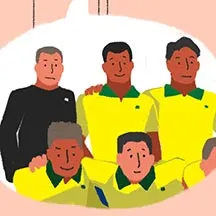
- 브라질 축구팀
- 아르헨티나 축구팀
- 중국 축구팀
- 멕시코 축구팀
Ver respuesta
1. 브라질 축구팀
Book exercises: p. 162. The online scene quizzes above are separate practice.
Videoclase
A/V-고, A/V-지만, A/V-거나, A/V-(으)ㄴ/는데
YouTube · 22:11Lecciones relacionadas
- ~지만 — Se usa ‘∼지만’ (pero) para juntar oraciones adversativas mutuamente en una sola oración. • 아람은 가을은 좋아하지만 겨울은 싫어해요. : ‘아람은 가을은 좋아해요’ (A Aram le gusta el otoño) y ‘아람은 겨울은 싫어해요’ (A Aram no le gusta el invierno) se juntan en una sola oración con ‘∼지만’. * Conjugación irregular ‘르’ : ‘르’ se cambia por ‘ㄹㄹ’ en varios verbos y adjetivos cuyas raíces terminan con ‘르’.
- ~거나 — ‘∼거나’ (o) se une a la raíz de un verbo para indicar la posibilidad de seleccionar una cosa entre dos o más. • 아람은 차갑거나 뜨거운 것을 싫어해요. • 카이는 신나거나 빠른 음악을 들어요. * Conjugación irregular ㄷ: ‘ㄷ’ se cambia por ‘ㄹ’ en varios verbos cuyas raíces terminan con ‘ㄷ’.
- ~(으)ㄴ데/는데 — ‘∼(으)ㄴ데/는데’ se une a la raíz de un verbo o adjetivo para indicar el contraste entre dos oraciones. • 는데 : Para un verbo, ‘있다’ o ‘없다’[히토미는 일찍 자는데 로한은 늦게 자요] • 은데 : Cuando la raíz de un adjetivo termina con la sílaba con consonante soporte excepto ‘ㄹ’[히토미는 작은데 존은 커요] • ㄴ데 : Cuando la raíz de un adjetivo termina con vocal o ‘ㄹ’[카이는 빠른데 아람은 느려요.] * Conjugación irregular de ㅂ: ‘ㅂ’ se cambia por ‘ㅗ’ o ‘ㅜ’ en varios verbos y adjetivos cuyas raíces terminan con ‘ㅂ’