El viaje
~게
Explicación
La terminación ‘∼게’ se une a un adjetivo o algunos verbos, para indicar la manera o el grado de una acción o situación en las siguientes palabras, modificándolas.
• 아람은 여행 전날 늦게 잠들었어요.
• 아침에 늦어서 급하게 택시를 탔어요.
어젯밤에 늦게 잠들었어요.
I fell asleep late last night.
Seemile Korean Book · El viaje · p. 196
Ejemplos en contexto
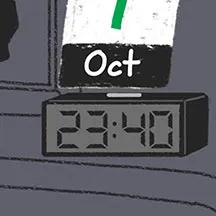
아람이는 여행 전날 늦게 잠들었어요.
Aram se dormió tarde en anterior noche del viaje.
| Word | In this sentence | Meaning |
|---|---|---|
| 아람 | 아람이는 | Aram |
| 여행 | 여행 | viaje |
| 전날 | 전날 | anterior noche |
| 늦다 | 늦게 | tarde |
| 잠들다 | 잠들었어요 | dormirse |
아침에 늦어서 아람이는 급하게 택시를 탔어요.
Tomó el taxi con prisa por tardarse en la mañana.
| Word | In this sentence | Meaning |
|---|---|---|
| 아침 | 아침에 | mañana |
| 늦다 | 늦어서 | tardarse |
| 아람 | 아람이는 | Aram |
| 급하다 | 급하게 | con prisa |
| 택시 | 택시를 | taxi |
| 타다 | 탔어요 | tomar |
택시는 빠르게 기차역으로 향했어요.
Taxi se manejó a la estación del tren rápidamente.
| Word | In this sentence | Meaning |
|---|---|---|
| 택시 | 택시는 | taxi |
| 빠르다 | 빠르게 | rápido |
| 기차역 | 기차역으로 | estación del tren |
| 향하다 | 향했어요 | orientar |
기차는 느리게 역을 빠져나가고 있었어요.
El tren estaba saliendo de la estación lentamente.
| Word | In this sentence | Meaning |
|---|---|---|
| 기차 | 기차는 | tren |
| 느리다 | 느리게 | lento |
| 역 | 역을 | estación |
| 빠져나가고 있다 | 빠져나가고 있었어요 | estar saliendo |
Vocabulario
- 아람
- Aram
- 여행
- viaje
- 전날
- anterior noche
- 늦다
- tardarse
- 잠들다
- dormirse
- 아침
- mañana
- 급하다
- con prisa
- 택시
- taxi
- 타다
- tomar
- 빠르다
- rápido
- 기차역
- estación del tren
- 향하다
- orientar
- 기차
- tren
- 느리다
- lento
- 역
- estación
- 빠져나가고 있다
- estar saliendo
Práctica
- Read one Korean example aloud, then cover it and rebuild the sentence from its meaning.
- Identify the form explained above and compare it with the forms in the word table.
- Change one person, place or object while keeping the grammar and speech level consistent. Check your sentence against the rule.
Vocabulary check
- 즐겁다
- 늦다
- 어렵다
- 힘들다
Ver respuesta
2. 늦다
Vocabulary check

- 늦다
- 힘들다
- 급하다
- 즐겁다
Ver respuesta
3. 급하다
Book exercises: p. 199. The online scene quizzes above are separate practice.
Videoclase
V-는 N, A/V-(으)ㄴ N, A/V-(으)ㄹ N, A/V-기, A/V-게
YouTube · 23:49Lecciones relacionadas
- ~는(현재) — Se une '∼는‘ a un verbo para hacer que el verbo modifique al sustantivo e indica que una acción está pasando en el presente. • 히토미가 가는 숙소는 바닷가에 있어요. • 친구들이 먹는 샌드위치는 카이가 만들었어요.
- ~(으)ㄴ(과거) — Se une ‘∼(으)ㄴ’ a un verbo para hacer que el verbo modifique al sustantivo e indica que la acción se produjo en el pasado. • 은 : Se lo usa para la raíz que termina con consonante soporte, excepto ‘ㄹ’.[친구들이 먹은 간식은 카이가 만들었어요.] • ㄴ : Se lo usa para la raíz que termina con la consonante soporte ‘ㄹ’ o con vocal.[히토미가 간 숙소는 바닷가에 있었어요.]
- ~(으)ㄹ(미래) — Se une ‘∼(으)ㄹ’ a un verbo para hacer que el verbo modifique al sustantivo e indica que la acción va a ocurrir en el futuro. • 을 : Se lo usa para la raíz que termina con consonante soporte, excepto ‘ㄹ’.[친구들이 먹을 간식은 카이가 만들었어요.] • ㄹ : Se lo usa para la raíz que termina con la consonante soporte ‘ㄹ’ o con vocal.[히토미가 갈 숙소는 바닷가에 있어요.]
- ~기 — El sufijo ‘∼기’ se une a un verbo o adjetivo para convertir la palabra en un sustantivo. • 히토미는 아침에 일찍 일어나기가 힘들었어요.[일어나(다)+기] • 아람은 비행기표 예매하기가 어려웠어요.[예매하(다)+기]