Travel
A/V-게
Explanation
Attach 게 to a stem to describe how an action is done, as in 늦게 or 조용하게.
어젯밤에 늦게 잠들었어요.
I fell asleep late last night.
Seemile Korean Book · Travel · p. 196
Examples in context
아람이는 여행 전날 늦게 잠들었어요.
Aram fell asleep late the night before the trip.
| Word | In this sentence | Meaning |
|---|---|---|
| 아람 | 아람이는 | Aram |
| 여행 | 여행 | travel |
| 전날 | 전날 | the day before |
| 늦다 | 늦게 | late |
| 잠들다 | 잠들었어요 | fall asleep |
아침에 늦어서 아람이는 급하게 택시를 탔어요.
Aram was late in the morning so she hurriedly took a taxi.
| Word | In this sentence | Meaning |
|---|---|---|
| 아침 | 아침에 | morning |
| 늦다 | 늦어서 | late |
| 아람 | 아람이는 | Aram |
| 급하다 | 급하게 | in a hurry |
| 택시 | 택시를 | taxi |
| 타다 | 탔어요 | take |
택시는 빠르게 기차역으로 향했어요.
The taxi quickly headed to the station.
| Word | In this sentence | Meaning |
|---|---|---|
| 택시 | 택시는 | taxi |
| 빠르다 | 빠르게 | quick |
| 기차역 | 기차역으로 | train station |
| 향하다 | 향했어요 | head |
기차는 느리게 역을 빠져나가고 있었어요.
The train was slowly leaving the station.
| Word | In this sentence | Meaning |
|---|---|---|
| 기차 | 기차는 | train |
| 느리다 | 느리게 | slow |
| 역 | 역을 | station |
| 빠져나가고 있다 | 빠져나가고 있었어요 | be leaving |
Vocabulary
- 아람
- Aram
- 여행
- travel
- 전날
- the day before
- 늦다
- late
- 잠들다
- fall asleep
- 아침
- morning
- 급하다
- in a hurry
- 택시
- taxi
- 타다
- take
- 빠르다
- quick
- 기차역
- train station
- 향하다
- head
- 기차
- train
- 느리다
- slow
- 역
- station
- 빠져나가고 있다
- be leaving
Practice
- Read one Korean example aloud, then cover it and rebuild the sentence from its meaning.
- Identify the form explained above and compare it with the forms in the word table.
- Change one person, place or object while keeping the grammar and speech level consistent. Check your sentence against the rule.
Vocabulary check
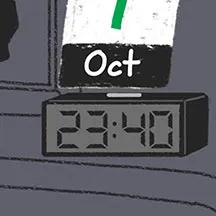
- 즐겁다
- 늦다
- 어렵다
- 힘들다
Show answer
2. 늦다
Vocabulary check
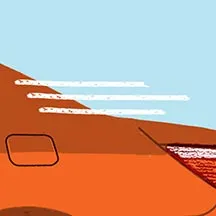
- 늦다
- 힘들다
- 급하다
- 즐겁다
Show answer
3. 급하다
Book exercises: p. 199. The online scene quizzes above are separate practice.
Video lesson
V-는 N, A/V-(으)ㄴ N, A/V-(으)ㄹ N, A/V-기, A/V-게
YouTube · 23:49Related lessons
- V-는 N — Attach 는 to an action-verb stem to describe a following noun by a current or habitual action.
- A/V-(으)ㄴ N — Use (으)ㄴ before a noun for a present description or a completed action. With many ㄹ stems, drop ㄹ before ㄴ.
- A/V-(으)ㄹ N — Use (으)ㄹ before a noun to describe something in terms of an expected or future action.
- A/V-기 — Attach 기 to turn an action or state into a noun-like expression. This is common in activity names.