शौक़
에(장소)
व्याख्या
가다 और 오다 जैसी गति की क्रियाओं के साथ गंतव्य के बाद 에 लगाएँ।
수영장에 가요.
I’m going to the swimming pool.
Seemile Korean Book · शौक़ · p. 92
संदर्भ में उदाहरण
히토미는 어제 도서관에 갔어요.
हितोमी कल पुस्तकालय गई थी।
| Word | In this sentence | Meaning |
|---|---|---|
| 히토미 | 히토미는 | हितोमी |
| 어제 | 어제 | बीता हुआ कल |
| 도서관 | 도서관에 | पुस्तकालय |
| 가다 | 갔어요 | जाना |
존은 오늘 스키장에 가요.
जॉन आज स्की रिसॉर्ट जाएगा।
| Word | In this sentence | Meaning |
|---|---|---|
| 존 | 존은 | जॉन |
| 오늘 | 오늘 | आज |
| 스키장 | 스키장에 | स्की रिज़ॉर्ट |
| 가다 | 가요 | जाना |
내일 친구들이 아람이 집에 올 거예요.
कल दोस्त आराम के घर आएँगे।
| Word | In this sentence | Meaning |
|---|---|---|
| 내일 | 내일 | कल (आने वाला) |
| 친구들 | 친구들이 | दोस्त |
| 아람 | 아람이 | आराम |
| 집 | 집에 | घर |
| 오다 | 올 | आना |
| 거다 | 거예요 | करेगा |
로한이 영화관에 올 거예요.
रोहन सिनेमाघर आएगा।
| Word | In this sentence | Meaning |
|---|---|---|
| 로한 | 로한이 | रोहन |
| 영화관 | 영화관에 | सिनेमाघर |
| 오다 | 올 | आना |
| 거다 | 거예요 | करेगा |
शब्दावली
- 히토미
- हितोमी
- 어제
- बीता हुआ कल
- 도서관
- पुस्तकालय
- 가다
- जाना
- 존
- जॉन
- 오늘
- आज
- 스키장
- स्की रिज़ॉर्ट
- 내일
- कल (आने वाला)
- 친구들
- दोस्त
- 아람
- आराम
- 집
- घर
- 오다
- आना
- 거다
- करेगा
- 로한
- रोहन
- 영화관
- सिनेमाघर
अभ्यास
- Read one Korean example aloud, then cover it and rebuild the sentence from its meaning.
- Identify the form explained above and compare it with the forms in the word table.
- Change one person, place or object while keeping the grammar and speech level consistent. Check your sentence against the rule.
Vocabulary check
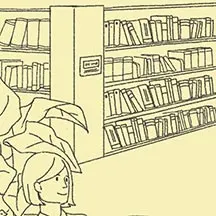
- 백화점
- 박물관
- 도서관
- 전화
उत्तर देखें
3. 도서관
Vocabulary check
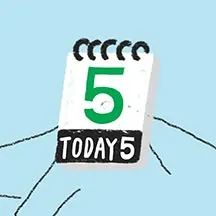
- 어제
- 오늘
- 내일
- 도서관
उत्तर देखें
2. 오늘
Book exercises: p. 98. The online scene quizzes above are separate practice.