शौक़
에(시간)
व्याख्या
समय, दिन या दिन के किसी हिस्से के बाद 에 लगाएँ। 오늘 जैसे क्रियाविशेषण अक्सर अकेले आते हैं।
아침에 책을 읽어요.
I read a book in the morning.
Seemile Korean Book · शौक़ · p. 93
संदर्भ में उदाहरण
히토미는 아침에 책을 읽었어요.
हितोमी ने सुबह एक किताब पढ़ी।
| Word | In this sentence | Meaning |
|---|---|---|
| 히토미 | 히토미는 | हितोमी |
| 아침 | 아침에 | सुबह |
| 책 | 책을 | किताब |
| 읽다 | 읽었어요 | पढ़ना |
아람이는 카이와 점심에 산에 갔어요.
आराम दोपहर में काई के साथ पहाड़ पर गई।
| Word | In this sentence | Meaning |
|---|---|---|
| 아람 | 아람이는 | आराम |
| 카이 | 카이와 | काई |
| 점심 | 점심에 | दोपहर का खाना |
| 산 | 산에 | पहाड़ |
| 가다 | 갔어요 | जाना |
존은 오후 두 시에 스키를 탈 거예요.
जॉन दोपहर दो बजे स्कीइंग करेगा।
| Word | In this sentence | Meaning |
|---|---|---|
| 존 | 존은 | जॉन |
| 오후 | 오후 | दोपहर के बाद |
| 두 시 | 두 시에 | दो बजे |
| 스키 | 스키를 | स्की |
| 타다 | 탈 | स्की करना |
| 거다 | 거예요 | करेगा |
로한은 저녁에 영화를 볼 거예요.
रोहन शाम को फ़िल्म देखेगा।
| Word | In this sentence | Meaning |
|---|---|---|
| 로한 | 로한은 | रोहन |
| 저녁 | 저녁에 | शाम |
| 영화 | 영화를 | फ़िल्म |
| 보다 | 볼 | देखना |
| 거다 | 거예요 | करेगा |
शब्दावली
- 히토미
- हितोमी
- 아침
- सुबह
- 책
- किताब
- 읽다
- पढ़ना
- 아람
- आराम
- 카이
- काई
- 점심
- दोपहर का खाना
- 산
- पहाड़
- 가다
- जाना
- 존
- जॉन
- 오후
- दोपहर के बाद
- 두 시
- दो बजे
- 스키
- स्की
- 타다
- स्की करना
- 거다
- करेगा
- 로한
- रोहन
- 저녁
- शाम
- 영화
- फ़िल्म
- 보다
- देखना
अभ्यास
- Read one Korean example aloud, then cover it and rebuild the sentence from its meaning.
- Identify the form explained above and compare it with the forms in the word table.
- Change one person, place or object while keeping the grammar and speech level consistent. Check your sentence against the rule.
Vocabulary check
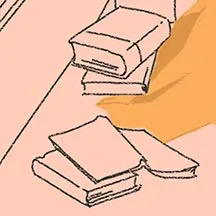
- 집
- 책
- 옷
- 꽃
उत्तर देखें
2. 책
Vocabulary check
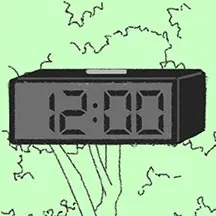
- 책
- 점심
- 외투
- 내일
उत्तर देखें
2. 점심
Book exercises: p. 98. The online scene quizzes above are separate practice.