Cuaca 2
마다, 보다
Penjelasan
‘마다’ adalah kata belakang yang digunakan setelah kata benda untuk menunjukkan semua kejadian yang mirip terulang.‘보다’ digunakan setelah kata benda dan digunakan untuk membandingkan.
• 아람은 바람이 불 때마다 모자를 써요.
• 히토미는 비보다 눈을 좋아해요.
날마다 추워져요. 오늘은 어제보다 추워요.
It gets colder every day. Today is colder than yesterday.
Seemile Korean Book · Cuaca 2 · p. 189
Form and use
마다 attaches to nouns to mean 'every' or 'each'. Used for habits, schedules, and universal statements.
| Condition | Form | Example |
|---|---|---|
| 습관/일정 | time N + 마다 | 매일마다(X)→매일 / 토요일마다 · 아침마다 |
| 개별/각각 | N + 마다 | 사람마다 달라요 · 나라마다 달라요 |
| 매- vs 마다 | 매- (prefix) = 마다 (suffix) | 매주 = 주마다 · 매년 = 해마다 |
아람이는 아침마다 커피를 마셔요
Aram drinks coffee every morning
사람마다 생각이 달라요
Every person thinks differently
Contoh dalam konteks
아람이는 바람이 불 때마다 모자를 써요.
Aram selalu memakai topi ketika cuacanya berangin.
| Word | In this sentence | Meaning |
|---|---|---|
| 아람 | 아람이는 | Aram |
| 바람 | 바람이 | Angin |
| 불다 | 불 | Hembusan |
| 때 | 때마다 | Ketika |
| 모자 | 모자를 | Topi |
| 쓰다 | 써요 | Memakai |
카이는 눈이 올 때마다 만두를 만들어요.
Kai selalu membuat dimsum saat cuaca bersalju.
| Word | In this sentence | Meaning |
|---|---|---|
| 카이 | 카이는 | Kai |
| 눈 | 눈이 | Salju |
| 오다 | 올 | Turun |
| 때 | 때마다 | Ketika |
| 만두 | 만두를 | Siomai |
| 만들다 | 만들어요 | Buat |
히토미는 비보다 눈을 좋아해요.
Hitomi lebih suka hujan salju dari pada hujan air.
| Word | In this sentence | Meaning |
|---|---|---|
| 히토미 | 히토미는 | Hitomi |
| 비 | 비보다 | Hujan |
| 눈 | 눈을 | Salju |
| 좋아하다 | 좋아해요 | Suka |
로한은 추운 것보다 더운 것이 좋아요.
Rohan lebih suka cuaca panas dari pada cuaca dingin.
| Word | In this sentence | Meaning |
|---|---|---|
| 로한 | 로한은 | Rohan |
| 춥다 | 추운 | Dingin |
| 것 | 것보다 | Dari pada |
| 덥다 | 더운 | Panas |
| 것 | 것이 | Dari pada |
| 좋다 | 좋아요 | Suka |
Kosakata
- 아람
- Aram
- 바람
- Angin
- 불다
- Hembusan
- 때
- Ketika
- 모자
- Topi
- 쓰다
- Memakai
- 카이
- Kai
- 눈
- Salju
- 오다
- Turun
- 만두
- Siomai
- 만들다
- Buat
- 히토미
- Hitomi
- 비
- Hujan
- 좋아하다
- Suka
- 로한
- Rohan
- 춥다
- Dingin
- 것
- Dari pada
- 덥다
- Panas
- 좋다
- Suka
Latihan
- Read one Korean example aloud, then cover it and rebuild the sentence from its meaning.
- Identify the form explained above and compare it with the forms in the word table.
- Change one person, place or object while keeping the grammar and speech level consistent. Check your sentence against the rule.
Vocabulary check

- 가방
- 얼음
- 휴일
- 모자
Lihat jawaban
4. 모자
Vocabulary check
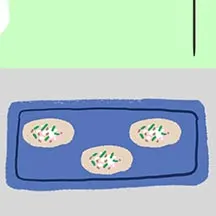
- 빵
- 밀가루
- 라면
- 만두
Lihat jawaban
4. 만두
Book exercises: p. 191. The online scene quizzes above are separate practice.
Video pelajaran
A/V-겠어요, A/V-(으)ㄹ 거예요, A/V-(으)ㄹ까요?, N마다, N보다
YouTube · 17:29Pelajaran terkait
- ~겠어요 — ‘~겠어요’ digunakan setelah kata kerja atau kata sifat untuk memprediksikan dengan melihat situasi atau kejadian saat itu dibicarakan. • 오늘은 날씨가 매우 덥겠어요. • 시원한 것이 마시고 싶겠어요.
- ~(으)ㄹ 거예요 — ‘~(으)ㄹ 거예요’ digunakan setelah kata kerja atau kata sifat untuk menyatakan suatu asumsi atau pendapat subjektif dari pembicara. ⦁을 거예요 : digunakan ketika kata kerja atau kata sifat berakhiran dengan huruf konsonan kecuali ㄹ[영화관에 사람이 많을 거예요.] ⦁ㄹ 거예요 : digunakan ketika kata kerja atau kata sifat berakhiran dengan huruf vokal atau ㄹ[내일 날씨가 추울 거예요.] * Bentuk dasar : ~을 거다 /ㄹ 거다
- ~(으)ㄹ까요? — ‘~(으)ㄹ까요?’ digunakan setelah kata kerja atau kata sifat untuk menyatakan pikiran pembicara. ⦁을까요 : digunakan ketika kata kerja atau kata sifat berakhiran dengan huruf konsonan kecuali ㄹ[얼음이 얼 수도 있을까요?] ⦁ㄹ까요 : digunakan ketika kata kerja atau kata sifat berakhiran dengan huruf vokal atau ㄹ[주말에 눈이 올까요?] * 눈이 많이 오면 길이 막힐까요?[막히(다)+ㄹ까요]