Weather Conditions
N마다, N보다
Explanation
Attach 마다 to mean every or each and 보다 to the baseline of a comparison.
날마다 추워져요. 오늘은 어제보다 추워요.
It gets colder every day. Today is colder than yesterday.
Seemile Korean Book · Weather Conditions · p. 189
Form and use
마다 attaches to nouns to mean 'every' or 'each'. Used for habits, schedules, and universal statements.
| Condition | Form | Example |
|---|---|---|
| 습관/일정 | time N + 마다 | 매일마다(X)→매일 / 토요일마다 · 아침마다 |
| 개별/각각 | N + 마다 | 사람마다 달라요 · 나라마다 달라요 |
| 매- vs 마다 | 매- (prefix) = 마다 (suffix) | 매주 = 주마다 · 매년 = 해마다 |
아람이는 아침마다 커피를 마셔요
Aram drinks coffee every morning
사람마다 생각이 달라요
Every person thinks differently
Examples in context
아람이는 바람이 불 때마다 모자를 써요.
Aram wears a hat whenever it is windy.
| Word | In this sentence | Meaning |
|---|---|---|
| 아람 | 아람이는 | Aram |
| 바람 | 바람이 | wind |
| 불다 | 불 | blow |
| 때 | 때마다 | when |
| 모자 | 모자를 | hat |
| 쓰다 | 써요 | wear |
카이는 눈이 올 때마다 만두를 만들어요.
Kai makes dumplings whenever it snows.
| Word | In this sentence | Meaning |
|---|---|---|
| 카이 | 카이는 | Kai |
| 눈 | 눈이 | snow |
| 오다 | 올 | snow |
| 때 | 때마다 | when |
| 만두 | 만두를 | dumpling |
| 만들다 | 만들어요 | make |
히토미는 비보다 눈을 좋아해요.
Hitomi likes snow more than rain.
| Word | In this sentence | Meaning |
|---|---|---|
| 히토미 | 히토미는 | Hitomi |
| 비 | 비보다 | rain |
| 눈 | 눈을 | snow |
| 좋아하다 | 좋아해요 | like |
로한은 추운 것보다 더운 것이 좋아요.
Rohan likes hot weather more than cold weather.
| Word | In this sentence | Meaning |
|---|---|---|
| 로한 | 로한은 | Rohan |
| 춥다 | 추운 | cold |
| 것 | 것보다 | weather |
| 덥다 | 더운 | hot |
| 것 | 것이 | weather |
| 좋다 | 좋아요 | like |
Vocabulary
- 아람
- Aram
- 바람
- wind
- 불다
- blow
- 때
- when
- 모자
- hat
- 쓰다
- wear
- 카이
- Kai
- 눈
- snow
- 오다
- snow
- 만두
- dumpling
- 만들다
- make
- 히토미
- Hitomi
- 비
- rain
- 좋아하다
- like
- 로한
- Rohan
- 춥다
- cold
- 것
- weather
- 덥다
- hot
- 좋다
- like
Practice
- Read one Korean example aloud, then cover it and rebuild the sentence from its meaning.
- Identify the form explained above and compare it with the forms in the word table.
- Change one person, place or object while keeping the grammar and speech level consistent. Check your sentence against the rule.
Vocabulary check

- 가방
- 얼음
- 휴일
- 모자
Show answer
4. 모자
Vocabulary check
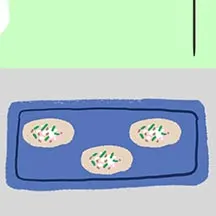
- 빵
- 밀가루
- 라면
- 만두
Show answer
4. 만두
Book exercises: p. 191. The online scene quizzes above are separate practice.
Video lesson
A/V-겠어요, A/V-(으)ㄹ 거예요, A/V-(으)ㄹ까요?, N마다, N보다
YouTube · 17:29Related lessons
- A/V-겠어요 — Attach 겠어요 when making an inference from what you see or hear. Use 았/었겠어요 for a guess about a past situation.
- A/V-(으)ㄹ 거예요 — (으)ㄹ 거예요 can express a prediction as well as a plan. Context makes the difference.
- A/V-(으)ㄹ까요 — Use (으)ㄹ까요? to wonder about what may happen or ask the listener for their guess.