旅行
~는(현재)
解説
‘는’は、動詞の後ろに付いて、その動詞が名詞を修飾して、現在そのことが起こっていることを示す。
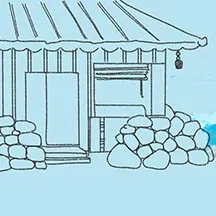
• 히토미가 가는 숙소는 바닷가에 있어요.
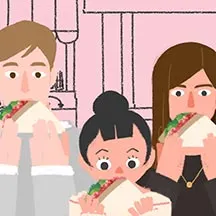
• 친구들이 먹는 샌드위치는 카이가 만들었어요.
지금 읽는 책이 재미있어요.
The book I’m reading now is interesting.
Seemile Korean Book · 旅行 · p. 192
Form and use
Verbs and adjectives directly modify nouns in Korean. The ending changes by verb type and tense.
| Condition | Form | Example |
|---|---|---|
| 현재 동사 + N | V 어간 + 는 N | 먹는 사람 (person who eats) |
| 형용사 / 과거 동사 + N | A/V 어간 + (으)ㄴ N | 예쁜 꽃 · 먹은 음식 |
| 미래 + N | V 어간 + (으)ㄹ N | 먹을 음식 (food to eat) |
카이가 좋아하는 음식이 뭐예요?
What food does Kai like? (present verb + N)
어제 아람이가 만든 케이크예요
It's the cake Aram made yesterday (past verb + N)
文脈の中の例文
히토미가 가는 숙소는 바닷가에 있어요.
ヒトミが行く宿は海辺にあります。
| Word | In this sentence | Meaning |
|---|---|---|
| 히토미 | 히토미가 | ヒトミ |
| 가다 | 가는 | 行く |
| 숙소 | 숙소는 | 宿 |
| 바닷가 | 바닷가에 | 海辺 |
| 있다 | 있어요 | ある |
친구들이 먹는 샌드위치는 /카이가 만들었어요.
友人たちが食べるサンドイッチはカイが作りました。
| Word | In this sentence | Meaning |
|---|---|---|
| 친구들 | 친구들이 | 友人たち |
| 먹다 | 먹는 | 食べる |
| 샌드위치 | 샌드위치는 | サンドイッチ |
| 카이 | 카이가 | カイ |
| 만들다 | 만들었어요 | 作る |
로한이 타는 비행기는 두 시에 출발해요.
ローハンが乗る飛行機は2時に出発します。
| Word | In this sentence | Meaning |
|---|---|---|
| 로한 | 로한이 | ローハン |
| 타다 | 타는 | 乗る |
| 비행기 | 비행기는 | 飛行機 |
| 두 시 | 두 시에 | 2時 |
| 출발하다 | 출발해요 | 出発する |
존이 읽는 책은 탐정 소설이에요.
ジョンが読んでいる本は探偵小説です。
| Word | In this sentence | Meaning |
|---|---|---|
| 존 | 존이 | ジョン |
| 읽다 | 읽는 | 読む |
| 책 | 책은 | 本 |
| 탐정 소설 | 탐정 소설 | 探偵小説 |
| 이다 | 이에요 | である |
語彙
- 히토미
- ヒトミ
- 가다
- 行く
- 숙소
- 宿
- 바닷가
- 海辺
- 있다
- ある
- 친구들
- 友人たち
- 먹다
- 食べる
- 샌드위치
- サンドイッチ
- 카이
- カイ
- 만들다
- 作る
- 로한
- ローハン
- 타다
- 乗る
- 비행기
- 飛行機
- 두 시
- 2時
- 출발하다
- 出発する
- 존
- ジョン
- 읽다
- 読む
- 책
- 本
- 탐정 소설
- 探偵小説
- 이다
- である
練習
- Read one Korean example aloud, then cover it and rebuild the sentence from its meaning.
- Identify the form explained above and compare it with the forms in the word table.
- Change one person, place or object while keeping the grammar and speech level consistent. Check your sentence against the rule.
Vocabulary check
- 숙소
- 방
- 집
- 도서관
答えを見る
1. 숙소
Vocabulary check
- 할머니
- 할아버지
- 친구들
- 아내
答えを見る
3. 친구들
Book exercises: p. 199. The online scene quizzes above are separate practice.
動画レッスン
V-는 N, A/V-(으)ㄴ N, A/V-(으)ㄹ N, A/V-기, A/V-게
YouTube · 23:49関連レッスン
- ~(으)ㄴ(과거) — ‘~(으)ㄴ’は、動詞の後に付いて、その動詞が名詞を修飾して、過去にそれが起こったことを示す。 • 은 : 前の動詞が‘ㄹ’以外のパッチム(終声) がある文字で終わる場合に使用[친구들이 먹은 간식은 카이가 만들었어요.] • ㄴ : 前の動詞が母音や‘ㄹ’で終わる場合に使用[히토미가 간 숙소는 바닷가에 있었어요.]
- ~(으)ㄹ(미래) — ‘~(으)ㄹ’は、動詞の後に付いて、その動詞が名詞を修飾して、未来にそのことが起こることを示す。 • 을 : 前の動詞が‘ㄹ’以外のパッチム(終声) がある文字で終わる場合に使用[친구들이 먹을 간식은 카이가 만들었어요.] • ㄹ : 前の動詞が母音や‘ㄹ’で終わる場合に使用[히토미가 갈 숙소는 바닷가에 있어요.]
- ~기 — ‘~기’は、動詞や形容詞に付いて、その言葉が名詞になるようにする。 • 히토미는 아침에 일찍 일어나기가 힘들었어요.[일어나(다)+기] • 아람은 비행기표 예매하기가 어려웠어요.[예매하(다)+기]
- ~게 — ‘~게’は、形容詞や一部の動詞に付いて、次の行為や状態の方式、程度などを示す。 • 아람은 여행 전날 늦게 잠들었어요. • 아침에 늦어서 급하게 택시를 탔어요.