Viagem
~는(현재)
Explicação
‘는’ vem depois do verbo e modifica o substantivo. Ele diz que algo está acontecendo agora.
• 히토미가 가는 숙소는 바닷가에 있어요.
• 친구들이 먹는 샌드위치는 카이가 만들었어요.
지금 읽는 책이 재미있어요.
The book I’m reading now is interesting.
Seemile Korean Book · Viagem · p. 192
Form and use
Verbs and adjectives directly modify nouns in Korean. The ending changes by verb type and tense.
| Condition | Form | Example |
|---|---|---|
| 현재 동사 + N | V 어간 + 는 N | 먹는 사람 (person who eats) |
| 형용사 / 과거 동사 + N | A/V 어간 + (으)ㄴ N | 예쁜 꽃 · 먹은 음식 |
| 미래 + N | V 어간 + (으)ㄹ N | 먹을 음식 (food to eat) |
카이가 좋아하는 음식이 뭐예요?
What food does Kai like? (present verb + N)
어제 아람이가 만든 케이크예요
It's the cake Aram made yesterday (past verb + N)
Exemplos em contexto
히토미가 가는 숙소는 바닷가에 있어요.
O alojamento que a Hitomi vai fica na praia.
| Word | In this sentence | Meaning |
|---|---|---|
| 히토미 | 히토미가 | Hitomi |
| 가다 | 가는 | ir |
| 숙소 | 숙소는 | alojamento |
| 바닷가 | 바닷가에 | praia |
| 있다 | 있어요 | estar |
친구들이 먹는 샌드위치는 /카이가 만들었어요.
Kai fez os sanduíches que seus amigos estão comendo.
| Word | In this sentence | Meaning |
|---|---|---|
| 친구들 | 친구들이 | amigos |
| 먹다 | 먹는 | comer |
| 샌드위치 | 샌드위치는 | sanduíche |
| 카이 | 카이가 | Kai |
| 만들다 | 만들었어요 | fazer |
로한이 타는 비행기는 두 시에 출발해요.
O avião que o Rohan pega parte às 2 horas.
| Word | In this sentence | Meaning |
|---|---|---|
| 로한 | 로한이 | Rohan |
| 타다 | 타는 | pegar |
| 비행기 | 비행기는 | avião |
| 두 시 | 두 시에 | 2 horas |
| 출발하다 | 출발해요 | partir |
존이 읽는 책은 탐정 소설이에요.
O livro que John lê é romance de detetive.
| Word | In this sentence | Meaning |
|---|---|---|
| 존 | 존이 | John |
| 읽다 | 읽는 | ler |
| 책 | 책은 | livro |
| 탐정 소설 | 탐정 소설 | romance de detetive |
| 이다 | 이에요 | ser |
Vocabulário
- 히토미
- Hitomi
- 가다
- ir
- 숙소
- alojamento
- 바닷가
- praia
- 있다
- estar
- 친구들
- amigos
- 먹다
- comer
- 샌드위치
- sanduíche
- 카이
- Kai
- 만들다
- fazer
- 로한
- Rohan
- 타다
- pegar
- 비행기
- avião
- 두 시
- 2 horas
- 출발하다
- partir
- 존
- John
- 읽다
- ler
- 책
- livro
- 탐정 소설
- romance de detetive
- 이다
- ser
Prática
- Read one Korean example aloud, then cover it and rebuild the sentence from its meaning.
- Identify the form explained above and compare it with the forms in the word table.
- Change one person, place or object while keeping the grammar and speech level consistent. Check your sentence against the rule.
Vocabulary check
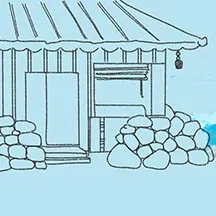
- 숙소
- 방
- 집
- 도서관
Ver resposta
1. 숙소
Vocabulary check

- 할머니
- 할아버지
- 친구들
- 아내
Ver resposta
3. 친구들
Book exercises: p. 199. The online scene quizzes above are separate practice.
Videoaula
V-는 N, A/V-(으)ㄴ N, A/V-(으)ㄹ N, A/V-기, A/V-게
YouTube · 23:49Lições relacionadas
- ~(으)ㄴ(과거) — ‘~(으)ㄴ’ vem depois do verbo e modifica o substantivo. Ele diz que algo aconteceu no passado. • 은 : Usado quando o verbo anterior termina com consoante, exceto ㄹ[친구들이 먹은 간식은 카이가 만들었어요.] • ㄴ : Usado quando o verbo anterior termina com uma vogal ou ㄹ[히토미가 간 숙소는 바닷가에 있었어요.]
- ~(으)ㄹ(미래) — ‘~(으)ㄹ’ vem depois do verbo e modifica o substantivo. Ele diz que algo acontecerá no futuro. • 을 : Usado quando o verbo anterior termina com consoante, exceto ㄹ[친구들이 먹을 간식은 카이가 만들었어요.] • ㄹ : Usado quando o verbo anterior termina com uma vogal ou ㄹ[히토미가 갈 숙소는 바닷가에 있어요.]
- ~기 — ‘~기’ é adicionado ao verbo ou ao adjetivo, e os converte em substantivo. • 히토미는 아침에 일찍 일어나기가 힘들었어요.[일어나(다)+기] • 아람은 비행기표 예매하기가 어려웠어요.[예매하(다)+기]
- ~게 — ‘~게’ é adicionado a adjetivos ou a alguns verbos, e mostra o nível ou o tipo de determinada ação ou estado. • 아람은 여행 전날 늦게 잠들었어요. • 아침에 늦어서 급하게 택시를 탔어요.