Comida 1
~아요?/어요?
Explicação
~ 아요/어요?' É uma forma interrogativa do presente. A forma não tem diferença com a sentença afirmativa, mas apenas muda a entonação. '아/어요?' É expressão formal. Quando é uma situação informal, use a expressão sem '요' como '존이 서점에 가?'.
• Forma afirmativa do presente : 카이가 고기를 사요.
• Forma interrogativa do presente : 카이가 고기를 사요?
Quando você responde, use '네' ou '아니요. '네' e '아니요' são formais e em situações informais usam '응' ou '아니'.
• 네 : use quando você dá uma resposta positiva
• 아니요 : use quando você dá uma resposta negativa
카이 씨는 고기를 사요?
Does Kai buy meat?
Seemile Korean Book · Comida 1 · p. 50
Exemplos em contexto
존은 식당에 안 가요? /아니요. 존은 식당에 가요.
John não vai ao restaurante? Não. John vai ao restaurante.
| Word | In this sentence | Meaning |
|---|---|---|
| 존 | 존은 | John |
| 식당 | 식당에 | restaurante |
| 안 | 안 | não |
| 가다 | 가요? | ir |
| 아니 | 아니요 | não |
| 존 | 존은 | John |
| 식당 | 식당에 | restaurante |
| 가다 | 가요 | ir |
카이는 생선을 사요? /아니요, 카이는 고기를 사요.
Kai compra peixe? Não, Kai compra carne.
| Word | In this sentence | Meaning |
|---|---|---|
| 카이 | 카이는 | Kai |
| 생선 | 생선을 | peixe |
| 사다 | 사요? | comprar |
| 아니 | 아니요 | não |
| 카이 | 카이는 | Kai |
| 고기 | 고기를 | carne |
| 사다 | 사요 | comprar |
아람 씨는 커피를 마셔요? /네, 저는 커피를 마셔요.
Aram, você bebe café? Sim, eu bebo café.
| Word | In this sentence | Meaning |
|---|---|---|
| 아람 | 아람 씨는 | Aram |
| 커피 | 커피를 | café |
| 마시다 | 마셔요? | beber |
| 네 | 네 | sim |
| 저 | 저는 | eu |
| 커피 | 커피를 | café |
| 마시다 | 마셔요 | beber |
로한은 과일을 씻어요? /아니요, 로한은 채소를 씻어요.
Rohan lava frutas? Não, Roham lava vegetais.
| Word | In this sentence | Meaning |
|---|---|---|
| 로한 | 로한은 | Rohan |
| 과일 | 과일을 | fruta |
| 씻다 | 씻어요? | lavar |
| 아니 | 아니요 | não |
| 로한 | 로한은 | Rohan |
| 채소 | 채소를 | vegetais |
| 씻다 | 씻어요 | lavar |
Vocabulário
- 존
- John
- 식당
- restaurante
- 안
- não
- 가다
- ir
- 아니
- não
- 가다
- ir
- 카이
- Kai
- 생선
- peixe
- 사다
- comprar
- 고기
- carne
- 아람
- Aram
- 커피
- café
- 마시다
- beber
- 네
- sim
- 저
- eu
- 로한
- Rohan
- 과일
- fruta
- 씻다
- lavar
- 채소
- vegetais
Prática
- Read one Korean example aloud, then cover it and rebuild the sentence from its meaning.
- Identify the form explained above and compare it with the forms in the word table.
- Change one person, place or object while keeping the grammar and speech level consistent. Check your sentence against the rule.
Vocabulary check
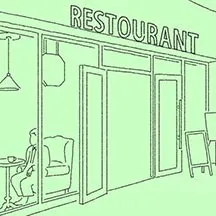
- 서점
- 고기
- 식당
- 빵
Ver resposta
3. 식당
Vocabulary check
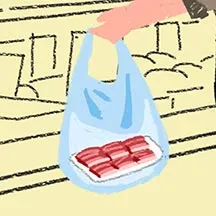
- 고기
- 빵
- 커피
- 차
Ver resposta
1. 고기
Book exercises: p. 55. The online scene quizzes above are separate practice.
Videoaula
Make Korean sentences, 존이 식당에 가요, 저는 차를 안 마셔요, 카이는 생선을 사요?
YouTube · 34:28Lições relacionadas
- ~아요/어요(동사) — ~ 아요/어요' é uma frase no presente em coreano. '마셔요', '사요', '먹어요', '가요' é formal. A expressão informal é usada sem '요' é usada como '존이 식당에 가'. • 아요 : usado quando a vogal da raiz termina com ‘ㅏ’and ‘ㅗ’.[존이 식당에 가요.] • 어요 : usado quando a vogal da raiz termina com outras vogais, exceto para ‘ㅏ’ and ‘ㅗ’[히토미가 빵을 먹어요.]
- 안 ~아요/어요 — 안~아요/어요' é uma forma negativa do presente. Use a expressão sem '요' em situações informais, por exemplo '존이 서점에 안가' ou '카이가 생선을 안사'. • 존이 서점에 안 가요 • 카이가 생선을 안 사요
- ~지 않아요 — ~ 지 않아요' é outro tipo de forma negativa do presente. Use a expressão sem '요' em situações informais, por exemplo '존이 서점에 가지 않아', '카이가 생선을 사지 않아'. * Forma básica: ~지 않다
- 이/가 — ‘이/가’ é posposição usada para mostrar que o substantivo que é usado é sujeito da sentença. • 이 : Usado quando a sílaba anterior termina com uma consoante [존이 의자에 앉아요.] • 가 : Usado quando a sílaba anterior termina com uma vogal [히토미가 국수를 안 먹어요.] * 내 : Quando ‘나’ se junta com a posposição ‘가’, a forma muda para ‘내가’ e não ‘나가’. [내가 밥을 먹어요. 내가 잠을 자요.] * irregular ㅂ : às vezes verbo ou adjetivo termina com a raiz ‘ㅂ’, ‘ㅂ’ muda para ‘ㅗ’ or ‘ㅜ’.