Comida 1
이/가
Explicação
‘이/가’ é posposição usada para mostrar que o substantivo que é usado é sujeito da sentença.
• 이 : Usado quando a sílaba anterior termina com uma consoante [존이 의자에 앉아요.]
• 가 : Usado quando a sílaba anterior termina com uma vogal [히토미가 국수를 안 먹어요.]
* 내 : Quando ‘나’ se junta com a posposição ‘가’, a forma muda para ‘내가’ e não ‘나가’. [내가 밥을 먹어요. 내가 잠을 자요.]
* irregular ㅂ : às vezes verbo ou adjetivo termina com a raiz ‘ㅂ’, ‘ㅂ’ muda para ‘ㅗ’ or ‘ㅜ’.
아람이 웃어요. 카이가 웃어요.
Aram smiles. Kai smiles.
Seemile Korean Book · Comida 1 · p. 52
Form and use
이/가 marks the grammatical SUBJECT — who or what performs the action or is being described. Often introduces NEW information.
| Condition | Form | Example |
|---|---|---|
| 받침 O | N + 이 | 존 → 존이 · 학생 → 학생이 |
| 받침 X | N + 가 | 히토미 → 히토미가 · 저 → 제가 |
| 특수형 | 저 → 제가 · 나 → 내가 | 제가 했어요 (formal: I did it) |
히토미가 국수를 먹어요
Hitomi (subject) eats noodles
존이 제일 빨라요
John is the fastest (이/가 singles out)
Exemplos em contexto
존이 의자에 앉아요.
John senta na cadeira.
| Word | In this sentence | Meaning |
|---|---|---|
| 존 | 존이 | John |
| 의자 | 의자에 | cadeira |
| 앉다 | 앉아요 | sentar |
카이가 생선을 구워요.
Kai cozinha o peixe.
| Word | In this sentence | Meaning |
|---|---|---|
| 카이 | 카이가 | Kai |
| 생선 | 생선을 | peixe |
| 굽다 | 구워요 | cozinhar |
아람이가 주스를 안 마셔요.
Eu não bebo suco.
| Word | In this sentence | Meaning |
|---|---|---|
| 아람 | 아람이가 | Aram |
| 주스 | 주스를 | suco |
| 안 | 안 | não |
| 마시다 | 마셔요 | beber |
로한이 그릇을 씻어요? /아니요, 로한은 채소를 씻어요.
Rohan lava pratos? Não, Rohan lava vegetais.
| Word | In this sentence | Meaning |
|---|---|---|
| 로한 | 로한이 | Rohan |
| 그릇 | 그릇을 | prato |
| 씻다 | 씻어요? | lavar |
| 아니 | 아니요 | não |
| 로한 | 로한은 | Rohan |
| 채소 | 채소를 | vegetais |
| 씻다 | 씻어요 | lavar |
히토미가 국수를 안 먹어요.
Hitomi não come macarrão.
| Word | In this sentence | Meaning |
|---|---|---|
| 히토미 | 히토미가 | Hitomi |
| 국수 | 국수를 | macarrão |
| 안 | 안 | não |
| 먹다 | 먹어요 | comer |
Vocabulário
- 존
- John
- 의자
- cadeira
- 앉다
- sentar
- 카이
- Kai
- 생선
- peixe
- 굽다
- cozinhar
- 아람
- Aram
- 주스
- suco
- 안
- não
- 마시다
- beber
- 로한
- Rohan
- 그릇
- prato
- 씻다
- lavar
- 아니
- não
- 채소
- vegetais
- 히토미
- Hitomi
- 국수
- macarrão
- 먹다
- comer
Prática
- Read one Korean example aloud, then cover it and rebuild the sentence from its meaning.
- Identify the form explained above and compare it with the forms in the word table.
- Change one person, place or object while keeping the grammar and speech level consistent. Check your sentence against the rule.
Vocabulary check
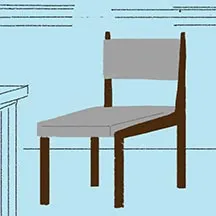
- 생선
- 접시
- 빵
- 의자
Ver resposta
4. 의자
Vocabulary check
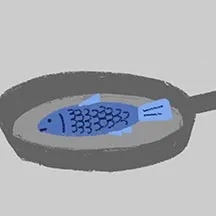
- 생선
- 스파게티
- 빵
- 차
Ver resposta
1. 생선
Book exercises: p. 55. The online scene quizzes above are separate practice.
Videoaula
Make Korean sentences, 존이 식당에 가요, 저는 차를 안 마셔요, 카이는 생선을 사요?
YouTube · 34:28Lições relacionadas
- ~아요/어요(동사) — ~ 아요/어요' é uma frase no presente em coreano. '마셔요', '사요', '먹어요', '가요' é formal. A expressão informal é usada sem '요' é usada como '존이 식당에 가'. • 아요 : usado quando a vogal da raiz termina com ‘ㅏ’and ‘ㅗ’.[존이 식당에 가요.] • 어요 : usado quando a vogal da raiz termina com outras vogais, exceto para ‘ㅏ’ and ‘ㅗ’[히토미가 빵을 먹어요.]
- 안 ~아요/어요 — 안~아요/어요' é uma forma negativa do presente. Use a expressão sem '요' em situações informais, por exemplo '존이 서점에 안가' ou '카이가 생선을 안사'. • 존이 서점에 안 가요 • 카이가 생선을 안 사요
- ~지 않아요 — ~ 지 않아요' é outro tipo de forma negativa do presente. Use a expressão sem '요' em situações informais, por exemplo '존이 서점에 가지 않아', '카이가 생선을 사지 않아'. * Forma básica: ~지 않다
- ~아요?/어요? — ~ 아요/어요?' É uma forma interrogativa do presente. A forma não tem diferença com a sentença afirmativa, mas apenas muda a entonação. '아/어요?' É expressão formal. Quando é uma situação informal, use a expressão sem '요' como '존이 서점에 가?'. • Forma afirmativa do presente : 카이가 고기를 사요. • Forma interrogativa do presente : 카이가 고기를 사요? Quando você responde, use '네' ou '아니요. '네' e '아니요' são formais e em situações informais usam '응' ou '아니'. • 네 : use quando você dá uma resposta positiva • 아니요 : use quando você dá uma resposta negativa