Shopping
~지 않았어요
Explicação
~지 않았어요' também é outra forma de usar o verbo no passado negativo. Seu significado é o mesmo que '안 았어요/었어요', mas em uma forma diferente. Apague '다' do verbo e adicione '지 않았어요'. Para usar em situação informal, apague '요' de trás como '나는 어제 백화점에 가지 않았어'.
• 우리는 백화점에 가지 않았어요.
• 그곳에서 카이를 만나지 않았어요.
구두를 사지 않았어요.
I didn’t buy dress shoes.
Seemile Korean Book · Shopping · p. 66
Exemplos em contexto
저는 어제 박물관에 가지 않았어요.
Eu não fui ao museu ontem.
| Word | In this sentence | Meaning |
|---|---|---|
| 저 | 저는 | eu |
| 어제 | 어제 | ontem |
| 박물관 | 박물관에 | museu |
| 가다 | 가지 | ir |
| 않다 | 않았어요 | não |
저는 백화점에서 카이를 만나지 않았어요.
Eu não encontrei o Kai no shopping.
| Word | In this sentence | Meaning |
|---|---|---|
| 저 | 저는 | eu |
| 백화점 | 백화점에서 | shopping |
| 카이 | 카이를 | Kai |
| 만나다 | 만나지 | encontrar |
| 않다 | 않았어요 | não |
저와 히토미는 에스컬레이터를/타지 않았어요.
Hitomi e eu não pegamos a escada rolante.
| Word | In this sentence | Meaning |
|---|---|---|
| 저 | 저와 | eu |
| 히토미 | 히토미는 | Hitomi |
| 에스컬레이터 | 에스컬레이터를 | escada rolante |
| 타다 | 타지 | pegar |
| 않다 | 않았어요 | não |
히토미는 바지를 사지 않았어요.
Hitomi não comprou calças.
| Word | In this sentence | Meaning |
|---|---|---|
| 히토미 | 히토미는 | Hitomi |
| 바지 | 바지를 | calça |
| 사다 | 사지 | comprar |
| 않다 | 않았어요 | não |
우리는 우유를 마시지 않았어요.
Nós não bebemos leite.
| Word | In this sentence | Meaning |
|---|---|---|
| 우리 | 우리는 | nós |
| 우유 | 우유를 | leite |
| 마시다 | 마시지 | beber |
| 않다 | 않았어요 | não |
Vocabulário
- 저
- eu
- 어제
- ontem
- 박물관
- museu
- 가다
- ir
- 않다
- não
- 백화점
- shopping
- 카이
- Kai
- 만나다
- encontrar
- 히토미
- Hitomi
- 에스컬레이터
- escada rolante
- 타다
- pegar
- 바지
- calça
- 사다
- comprar
- 우리
- nós
- 우유
- leite
- 마시다
- beber
Prática
- Read one Korean example aloud, then cover it and rebuild the sentence from its meaning.
- Identify the form explained above and compare it with the forms in the word table.
- Change one person, place or object while keeping the grammar and speech level consistent. Check your sentence against the rule.
Vocabulary check
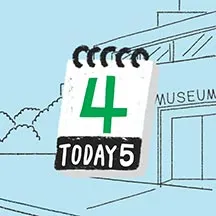
- 어제
- 엘리베이터
- 우유
- 커피
Ver resposta
1. 어제
Vocabulary check
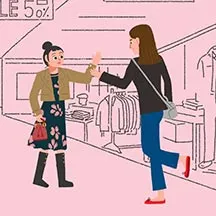
- 가다
- 만나다
- 타다
- 사다
Ver resposta
2. 만나다
Book exercises: p. 71. The online scene quizzes above are separate practice.
Videoaula
Past tenses V-았어요/었어요, 안 V-았어요/었어요, V-지 않았어요, V-았어요/었어요?
YouTube · 28:46Lições relacionadas
- ~았어요/었어요(동사) — Adicione ‘~았어요/었어요’ atrás do verbo para formar passado. ‘았어요/었어요’ é usado em situações formais. Use expressão sem '요' quando é informal como '나는 어제 백화점에 갔어'. • 았어요 : usado quando a vogal da raiz termina com ‘ㅏ’e ‘ㅗ’[나는 어제 백화점에 갔어요.] (가(다)+았어요 → 가았어요 → 갔어요) • 었어요 : usado quando a vogal da raiz termina com outras vogais, exceto ‘ㅏ’ e ‘ㅗ’[우리는 커피를 마셨어요.] (마시(다)+었어요 → 마시었어요 → 마셨어요) * Quando a palavra antes do ‘었어요’ termina com ‘ㅣ’, ‘ㅣ’ é excluído. E ‘었어요’ muda para ‘였어요’. ‘마시+었어요' se torna '마셨어요‘.
- 안 ~았어요/었어요 — ‘안 ~았어요/안 ~었어요’ é usado para fazer sentenças negativas do passado, colocando '안' antes do verbo adiciona significado negativo ao verbo. Em situações informais, use a expressão sem '요', como ‘나는 어제 백화점에 안 갔어’. • 우리는 백화점에 안 갔어요. • 그곳에서 카이를 안 만났어요.
- ~았어요?/었어요? — Também na forma do passado, a forma da sentença interrogativa é o mesmo que a sentença afirmativa, mas a entonação muda. Em situação informal, use '' 요 'na parte de trás, por exemplo' 아람은 어제 전시회에 갔어?' • 아람은 어제 전시회에 갔어요? • 그곳에서 카이를 만났어요?
- 을/를 — ‘을/를’ é um tipo de posposição que mostra que o substantivo é o objetivo da frase. • 을 : Usado quando a sílaba anterior termina com uma consoante [히토미는 화장품을 사지 않았어요.] • 를 :Usado quando a letra anterior termina com uma vogal [우리는 스카프를 골랐어요.] * ‘ㄹ’ Exlusão : ‘ㄹ’ é excluído quando expressões como ‘-(으)ㄴ/는, (으)러, (스)ㅂ니다, (으)세요’ são adicionados atrás da raiz do verbo ou do adjetivo.