Favorito
~(으)러 ~가요/와요
Explicação
‘~(으)러 가요’ e ‘~(으)러 와요’ vem após o verbo e mostra o propósito do movimento.
• 으러 ~가요(와요) : Usado quando a raiz do verbo anterior termina com uma vogal ou 'ㄹ'[히토미는 돈을 찾으러 은행에 왔어요.]
• 러 ~가요(와요) : Usado quando o verbo anterior termina com consoantes diferentes de 'ㄹ'[카이는 아버지를 만나러 고향에 가요.]
* Forma básica : ~으러 가다(오다), ~러 가다(오다)
책을 사러 서점에 가요.
I’m going to the bookstore to buy a book.
Seemile Korean Book · Favorito · p. 163
Form and use
-(으)러: purpose of going/coming. -(으)려고: intention or plan (any verb).
| Condition | Form | Example |
|---|---|---|
| 받침 X | V 어간 + 러 | 먹으러 가요 (go to eat) |
| 받침 O | V 어간 + 으러 | 책을 빌리러 도서관에 가요 |
| -(으)려고 | V 어간 + 려고/으려고 | 배우려고 해요 |
카이는 밥을 먹으러 식당에 갔어요
Kai went to the restaurant to eat
존은 한국어를 배우려고 해요
John intends to learn Korean
Exemplos em contexto
카이는 아버지를 만나러 중국에 가요.
Kai vai para a China para encontrar seu pai.
| Word | In this sentence | Meaning |
|---|---|---|
| 카이 | 카이는 | Kai |
| 아버지 | 아버지를 | pai |
| 만나다 | 만나러 | encontrar |
| 중국 | 중국에 | China |
| 가다 | 가요 | ir |
존은 식사를 하러 /카이의 식당에 갈 거예요.
John vai ao restaurante de Kai para comer.
| Word | In this sentence | Meaning |
|---|---|---|
| 존 | 존은 | John |
| 식사 | 식사를 | refeição |
| 하다 | 하러 | fazer |
| 카이 | 카이의 | Kai |
| 식당 | 식당에 | restaurante |
| 가다 | 갈 | ir |
| 거다 | 거예요 | ir |
히토미는 돈을 찾으러 은행에 왔어요.
Hitomi veio ao banco para retirar dinheiro.
| Word | In this sentence | Meaning |
|---|---|---|
| 히토미 | 히토미는 | Hitomi |
| 돈 | 돈을 | dinheiro |
| 찾다 | 찾으러 | retirar |
| 은행 | 은행에 | banco |
| 오다 | 왔어요 | vir |
로한은 노트북을 빌리러 /아람이 집에 왔어요.
Rohan veio à casa de Aram para emprestar o laptop.
| Word | In this sentence | Meaning |
|---|---|---|
| 로한 | 로한은 | Rohan |
| 노트북 | 노트북을 | laptop |
| 빌리다 | 빌리러 | emprestar |
| 아람 | 아람이 | Aram |
| 집 | 집에 | casa |
| 오다 | 왔어요 | vir |
Vocabulário
- 카이
- Kai
- 아버지
- pai
- 만나다
- encontrar
- 중국
- China
- 가다
- ir
- 존
- John
- 식사
- refeição
- 하다
- fazer
- 식당
- restaurante
- 거다
- ir
- 히토미
- Hitomi
- 돈
- dinheiro
- 찾다
- retirar
- 은행
- banco
- 오다
- vir
- 로한
- Rohan
- 노트북
- laptop
- 빌리다
- emprestar
- 아람
- Aram
- 집
- casa
Prática
- Read one Korean example aloud, then cover it and rebuild the sentence from its meaning.
- Identify the form explained above and compare it with the forms in the word table.
- Change one person, place or object while keeping the grammar and speech level consistent. Check your sentence against the rule.
Vocabulary check
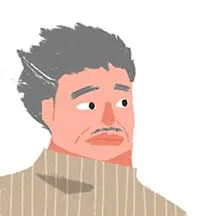
- 아버지
- 할머니
- 아내
- 친구들
Ver resposta
1. 아버지
Vocabulary check
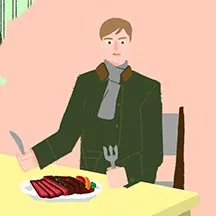
- 맵다
- 아버지
- 식사
- 짜다
Ver resposta
3. 식사
Book exercises: p. 169. The online scene quizzes above are separate practice.
Videoaula
V-(으)러, V-(으)려고, V-(으)려고 해요, V-(으)려고 했어요
YouTube · 18:05Lições relacionadas
- ~(으)려고 — ‘~(으)려고’ vem após o verbo e mostra a intenção ou propósito de determinada ação. • 으려고 : Usado quando a sílaba anterior termina com uma consoante, exceto ㄹ[히토미는 사진을 찍으려고 사진기를 빌렸어요.] • 려고 : Usado quando a sílaba anterior termina com uma vogal ou 'ㄹ'[아람은 운동하려고 아침에 일찍 일어나요.]
- ~(으)려고 해요 — ‘~(으)려고 해요’ vem após o verbo e mostra a intenção de fazer algo ou trabalhar. • 으려고 해요 : Usado quando a raiz do verbo anterior termina com uma consoante, exceto ㄹ[로한은 카이에게 가서 화궈를 먹으려고 해요.] • 려고 해요 : Usado quando a raiz do verbo anterior termina com uma vogal ou 'ㄹ'[아람은 바다로 여행을 떠나려고 해요.] * Forma básica : ~으려고 하다/려고 하다
- ~(으)려고 했어요 — ‘~(으)려고 했어요’ é a forma passada de '(으) 려고 해요'. E mostra que o falante teve intenção de algo, mas não conseguiu fazê-lo. • 으려고 했어요 : Usado quando o verbo anterior termina com uma consoante, exceto ㄹ[아람은 우동을 먹으려고 했어요.] • 려고 했어요 : Usado quando a sílaba anterior termina com uma vogal ou 'ㄹ'[아람은 세계일주를 하려고 했어요.] * Forma básica : ~으려고 하다/려고 하다