Favorito
~(으)려고
Explicação
‘~(으)려고’ vem após o verbo e mostra a intenção ou propósito de determinada ação.
• 으려고 : Usado quando a sílaba anterior termina com uma consoante, exceto ㄹ[히토미는 사진을 찍으려고 사진기를 빌렸어요.]
• 려고 : Usado quando a sílaba anterior termina com uma vogal ou 'ㄹ'[아람은 운동하려고 아침에 일찍 일어나요.]
책을 읽으려고 도서관에 갔어요.
I went to the library to read a book.
Seemile Korean Book · Favorito · p. 164
Exemplos em contexto
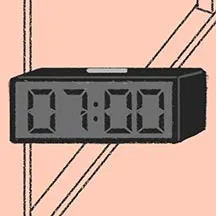
아람이는 운동하려고 아침에 일찍 일어나요.
Aram acorda cedo pela manhã para se exercitar.
| Word | In this sentence | Meaning |
|---|---|---|
| 아람 | 아람이는 | Aram |
| 운동하다 | 운동하려고 | exercitar-se |
| 아침 | 아침에 | manhã |
| 일찍 | 일찍 | cedo |
| 일어나다 | 일어나요 | acordar |
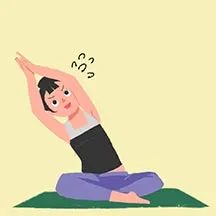
히토미는 요가하려고 매트에 앉았어요.
Hitomi sentou-se em um tapete para fazer ioga.
| Word | In this sentence | Meaning |
|---|---|---|
| 히토미 | 히토미는 | Hitomi |
| 요가하다 | 요가하려고 | fazer ioga |
| 매트 | 매트에 | tapete |
| 앉다 | 앉았어요 | sentar |
카이는 드럼을 치려고 의자에 앉았어요.
Kai sentou-se na cadeira para tocar bateria.
| Word | In this sentence | Meaning |
|---|---|---|
| 카이 | 카이는 | Kai |
| 드럼 | 드럼을 | bateria |
| 치다 | 치려고 | tocar |
| 의자 | 의자에 | cadeira |
| 앉다 | 앉았어요 | sentar |
존은 친구를 만나려고 홍콩에 가요.
John vai para Hong Kong para encontrar seu amigo.
| Word | In this sentence | Meaning |
|---|---|---|
| 존 | 존은 | John |
| 친구 | 친구를 | amigo |
| 만나다 | 만나려고 | encontrar |
| 홍콩 | 홍콩에 | Hong Kong |
| 가다 | 가요 | ir |
Vocabulário
- 아람
- Aram
- 운동하다
- exercitar-se
- 아침
- manhã
- 일찍
- cedo
- 일어나다
- acordar
- 히토미
- Hitomi
- 요가하다
- fazer ioga
- 매트
- tapete
- 앉다
- sentar
- 카이
- Kai
- 드럼
- bateria
- 치다
- tocar
- 의자
- cadeira
- 존
- John
- 친구
- amigo
- 만나다
- encontrar
- 홍콩
- Hong Kong
- 가다
- ir
Prática
- Read one Korean example aloud, then cover it and rebuild the sentence from its meaning.
- Identify the form explained above and compare it with the forms in the word table.
- Change one person, place or object while keeping the grammar and speech level consistent. Check your sentence against the rule.
Vocabulary check
- 어제
- 오늘
- 운동하다
- 저녁
Ver resposta
3. 운동하다
Vocabulary check
- 요가하다
- 일어나다
- 운동하다
- 빌리다
Ver resposta
1. 요가하다
Book exercises: p. 169. The online scene quizzes above are separate practice.
Videoaula
V-(으)러, V-(으)려고, V-(으)려고 해요, V-(으)려고 했어요
YouTube · 18:05Lições relacionadas
- ~(으)러 ~가요/와요 — ‘~(으)러 가요’ e ‘~(으)러 와요’ vem após o verbo e mostra o propósito do movimento. • 으러 ~가요(와요) : Usado quando a raiz do verbo anterior termina com uma vogal ou 'ㄹ'[히토미는 돈을 찾으러 은행에 왔어요.] • 러 ~가요(와요) : Usado quando o verbo anterior termina com consoantes diferentes de 'ㄹ'[카이는 아버지를 만나러 고향에 가요.] * Forma básica : ~으러 가다(오다), ~러 가다(오다)
- ~(으)려고 해요 — ‘~(으)려고 해요’ vem após o verbo e mostra a intenção de fazer algo ou trabalhar. • 으려고 해요 : Usado quando a raiz do verbo anterior termina com uma consoante, exceto ㄹ[로한은 카이에게 가서 화궈를 먹으려고 해요.] • 려고 해요 : Usado quando a raiz do verbo anterior termina com uma vogal ou 'ㄹ'[아람은 바다로 여행을 떠나려고 해요.] * Forma básica : ~으려고 하다/려고 하다
- ~(으)려고 했어요 — ‘~(으)려고 했어요’ é a forma passada de '(으) 려고 해요'. E mostra que o falante teve intenção de algo, mas não conseguiu fazê-lo. • 으려고 했어요 : Usado quando o verbo anterior termina com uma consoante, exceto ㄹ[아람은 우동을 먹으려고 했어요.] • 려고 했어요 : Usado quando a sílaba anterior termina com uma vogal ou 'ㄹ'[아람은 세계일주를 하려고 했어요.] * Forma básica : ~으려고 하다/려고 하다