Viagem
~기
Explicação
‘~기’ é adicionado ao verbo ou ao adjetivo, e os converte em substantivo.
• 히토미는 아침에 일찍 일어나기가 힘들었어요.[일어나(다)+기]
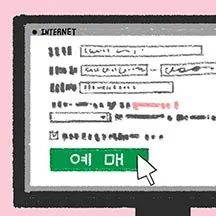
• 아람은 비행기표 예매하기가 어려웠어요.[예매하(다)+기]
제 취미는 사진 찍기예요.
My hobby is taking pictures.
Seemile Korean Book · Viagem · p. 195
Exemplos em contexto
히토미는 아침에 일찍 /일어나기가 힘들었어요.
Foi difícil para Hitomi acordar de manhã cedo.
| Word | In this sentence | Meaning |
|---|---|---|
| 히토미 | 히토미는 | Hitomi |
| 아침 | 아침에 | manhã |
| 일찍 | 일찍 | cedo |
| 일어나다 | 일어나기가 | acordar |
| 힘들다 | 힘들었어요 | difícil |
아람이는 비행기표 예매하기가 어려웠어요.
Foi difícil para Aram reservar bilhete de avião.
| Word | In this sentence | Meaning |
|---|---|---|
| 아람 | 아람이는 | Aram |
| 비행기표 | 비행기표 | bilhete de avião |
| 예매하다 | 예매하기가 | reservar |
| 어렵다 | 어려웠어요 | difícil |
여행 중에는 책 읽기가 더욱 즐거워요.
Ler livro é mais divertido durante a viagem.
| Word | In this sentence | Meaning |
|---|---|---|
| 여행 | 여행 | viagem |
| 중 | 중에는 | durante |
| 책 | 책 | livro |
| 읽다 | 읽기가 | ler |
| 더욱 | 더욱 | mais |
| 즐겁다 | 즐거워요 | divertido |
카이는 다리가 아파서 걷기가 힘들었어요.
Foi difícil para Kai andar porque sua perna estava dolorida.
| Word | In this sentence | Meaning |
|---|---|---|
| 카이 | 카이는 | Kai |
| 다리 | 다리가 | perna |
| 아프다 | 아파서 | dor |
| 걷다 | 걷기가 | andar |
| 힘들다 | 힘들었어요 | difícil |
Vocabulário
- 히토미
- Hitomi
- 아침
- manhã
- 일찍
- cedo
- 일어나다
- acordar
- 힘들다
- difícil
- 아람
- Aram
- 비행기표
- bilhete de avião
- 예매하다
- reservar
- 어렵다
- difícil
- 여행
- viagem
- 중
- durante
- 책
- livro
- 읽다
- ler
- 더욱
- mais
- 즐겁다
- divertido
- 카이
- Kai
- 다리
- perna
- 아프다
- dor
- 걷다
- andar
Prática
- Read one Korean example aloud, then cover it and rebuild the sentence from its meaning.
- Identify the form explained above and compare it with the forms in the word table.
- Change one person, place or object while keeping the grammar and speech level consistent. Check your sentence against the rule.
Vocabulary check

- 일어나다
- 출발하다
- 만들다
- 있다
Ver resposta
1. 일어나다
Vocabulary check
- 힘들다
- 예매하다
- 일어나다
- 출발하다
Ver resposta
2. 예매하다
Book exercises: p. 199. The online scene quizzes above are separate practice.
Videoaula
V-는 N, A/V-(으)ㄴ N, A/V-(으)ㄹ N, A/V-기, A/V-게
YouTube · 23:49Lições relacionadas
- ~는(현재) — ‘는’ vem depois do verbo e modifica o substantivo. Ele diz que algo está acontecendo agora. • 히토미가 가는 숙소는 바닷가에 있어요. • 친구들이 먹는 샌드위치는 카이가 만들었어요.
- ~(으)ㄴ(과거) — ‘~(으)ㄴ’ vem depois do verbo e modifica o substantivo. Ele diz que algo aconteceu no passado. • 은 : Usado quando o verbo anterior termina com consoante, exceto ㄹ[친구들이 먹은 간식은 카이가 만들었어요.] • ㄴ : Usado quando o verbo anterior termina com uma vogal ou ㄹ[히토미가 간 숙소는 바닷가에 있었어요.]
- ~(으)ㄹ(미래) — ‘~(으)ㄹ’ vem depois do verbo e modifica o substantivo. Ele diz que algo acontecerá no futuro. • 을 : Usado quando o verbo anterior termina com consoante, exceto ㄹ[친구들이 먹을 간식은 카이가 만들었어요.] • ㄹ : Usado quando o verbo anterior termina com uma vogal ou ㄹ[히토미가 갈 숙소는 바닷가에 있어요.]
- ~게 — ‘~게’ é adicionado a adjetivos ou a alguns verbos, e mostra o nível ou o tipo de determinada ação ou estado. • 아람은 여행 전날 늦게 잠들었어요. • 아침에 늦어서 급하게 택시를 탔어요.