公众礼节
~(으)세요, ~지 마세요
说明
‘~(으)세요’在动词后面加上的, 在请对方做某种事情或命令时使用。‘지 마세요’在动词后面加上的, 在不让对方做某种行动或命令时使用。
• 파란불일 때 횡단보도를 건너 세요.
• 버스 안에서 담배를 피우지 마세요.
여기 앉으세요. 사진을 찍지 마세요.
Please sit here. Please don’t take photos.
Seemile Korean Book · 公众礼节 · p. 259
语境例句
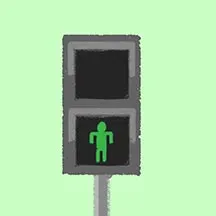
파란불일 때 횡단보도를 건너세요.
绿灯时,请过人行横道。
| Word | In this sentence | Meaning |
|---|---|---|
| 파란불 | 파란불 | 绿灯 |
| 이다 | 일 | 是 |
| 때 | 때 | 时 |
| 횡단보도 | 횡단보도를 | 人行横道 |
| 건너다 | 건너세요 | 过 |
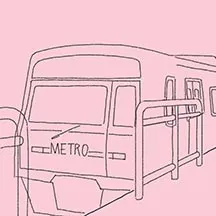
지하철을 탈 때는 줄을 서세요.
请在地铁里排队。
| Word | In this sentence | Meaning |
|---|---|---|
| 지하철 | 지하철을 | 地铁 |
| 타다 | 탈 | 坐 |
| 때 | 때는 | 时 |
| 줄 | 줄을 | 队 |
| 서다 | 서세요 | 排 |
버스 안에서 담배를 피우지 마세요.
请不要在公交车里抽烟。
| Word | In this sentence | Meaning |
|---|---|---|
| 버스 | 버스 | 公交车 |
| 안 | 안에서 | 里 |
| 담배 | 담배를 | 烟 |
| 피우다 | 피우지 | 抽 |
| 말다 | 마세요 | 不要 |
공원에서 큰 소리로 떠들지 마세요.
请不要在公园大声喧哗。
| Word | In this sentence | Meaning |
|---|---|---|
| 공원 | 공원에서 | 公园 |
| 크다 | 큰 | 大 |
| 소리 | 소리로 | 声 |
| 떠들다 | 떠들지 | 喧哗 |
| 말다 | 마세요 | 不要 |
词汇
- 파란불
- 绿灯
- 이다
- 是
- 때
- 时
- 횡단보도
- 人行横道
- 건너다
- 过
- 지하철
- 地铁
- 타다
- 坐
- 줄
- 队
- 서다
- 排
- 버스
- 公交车
- 안
- 里
- 담배
- 烟
- 피우다
- 抽
- 말다
- 不要
- 공원
- 公园
- 크다
- 大
- 소리
- 声
- 떠들다
- 喧哗
练习
- Read one Korean example aloud, then cover it and rebuild the sentence from its meaning.
- Identify the form explained above and compare it with the forms in the word table.
- Change one person, place or object while keeping the grammar and speech level consistent. Check your sentence against the rule.
Vocabulary check
- 때문
- 횡단보도
- 파란불
- 건너다
显示答案
3. 파란불
Vocabulary check
- 줄
- 지하철
- 서다
- 횡단보도
显示答案
2. 지하철
Book exercises: p. 265. The online scene quizzes above are separate practice.
视频课程
V-(으)세요, V-지 말아요, A/V-아야/어야 돼요/해요, A/V(으)면 안 돼요
YouTube · 17:58相关课程
- ~아야/어야 돼요, ~아야/어야 해요, ~아도/어도 돼요 — ‘~아야 돼요/어야 돼요’是显示出一定要做某种行为或某种事情。 ‘~아야 해요/어야 해요’显示出为了做好某种事情或达到某种情况,应该必须做的事情。 ‘~아도 돼요/어도 돼요’显示出针对某种行为或情况的许可和允许。 ‘돼요’的基本型是‘되다’。在‘되(다)’和‘어요’结合,就成为‘되어요’,一般用为缩略型的 ‘돼요’。 • 쓰레기는 쓰레기통에 버려야 돼요. • 횡단보도를 건너기 전에 주위를 살펴 야 해요. • 여기에서는 사진을 찍어도 돼요.
- ~(으)면 안 돼요, ~지 않아도 돼요 — ‘~(으)면 안 돼요’在动词或形容词后面加上的, 在禁止或限制某种行为或状态时使用。 ‘지 않아도 돼요’显示出没必要一定做某种行为的意思。 ‘안 ~아/어도 돼요’意思等于‘안 ~아/어도 돼요’ • 빨간불일 때는 횡단보도를 건너면 안 돼요. • 국립박물관은 입장권을 사지 않아도 돼요.