爱好1
에(원인)
说明
‘에’是显示出某种情况和动作原因的助词。
• 히토미는 노크 소리에 책을 덮었어요.这句话显示出田中瞳因为敲门声把书合上了
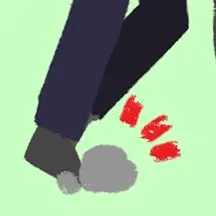
• 아람은 돌에 걸려 넘어졌어요.
这句话显示阿兰因为石头摔倒了
노크 소리에 책을 덮었어요.
I closed my book at the sound of knocking.
Seemile Korean Book · 爱好1 · p. 94
语境例句
히토미는 노크 소리에 책을 덮었어요.
田中瞳听到敲门声,就把书合上了。
| Word | In this sentence | Meaning |
|---|---|---|
| 히토미 | 히토미는 | 田中瞳 |
| 노크 소리 | 노크 소리에 | 敲门声 |
| 책 | 책을 | 书 |
| 덮다 | 덮었어요 | 合上 |
아람이가 돌에 걸려 넘어졌어요.
阿兰被石头绊着跌倒了
| Word | In this sentence | Meaning |
|---|---|---|
| 아람 | 아람이가 | 阿兰 |
| 돌 | 돌에 | 石头 |
| 걸리다 | 걸려 | 绊 |
| 넘어지다 | 넘어졌어요 | 跌倒 |
존은 눈보라에 길을 잃었어요.
约翰在暴风雪中迷路了。
| Word | In this sentence | Meaning |
|---|---|---|
| 존 | 존은 | 约翰 |
| 눈보라 | 눈보라에 | 暴风雪 |
| 길 | 길을 | 路 |
| 잃다 | 잃었어요 | 迷 |
로한은 비명 소리에 깜짝 놀랐어요.
罗翰被尖叫声吓了一跳。
| Word | In this sentence | Meaning |
|---|---|---|
| 로한 | 로한은 | 罗翰 |
| 비명 소리 | 비명 소리에 | 尖叫声 |
| 깜짝 | 깜짝 | 吓了 |
| 놀라다 | 놀랐어요 | 一跳 |
词汇
- 히토미
- 田中瞳
- 노크 소리
- 敲门声
- 책
- 书
- 덮다
- 合上
- 아람
- 阿兰
- 돌
- 石头
- 걸리다
- 绊
- 넘어지다
- 跌倒
- 존
- 约翰
- 눈보라
- 暴风雪
- 길
- 路
- 잃다
- 迷
- 로한
- 罗翰
- 비명 소리
- 尖叫声
- 깜짝
- 吓了
- 놀라다
- 一跳
练习
- Read one Korean example aloud, then cover it and rebuild the sentence from its meaning.
- Identify the form explained above and compare it with the forms in the word table.
- Change one person, place or object while keeping the grammar and speech level consistent. Check your sentence against the rule.
Vocabulary check

- 도서관
- 스키장
- 책
- 아침
显示答案
3. 책
Vocabulary check
- 읽다
- 보다
- 걸리다
- 가다
显示答案
3. 걸리다
Book exercises: p. 98. The online scene quizzes above are separate practice.
视频课程
Postpositional particles N에, N에서
YouTube · 19:31相关课程
- 에(장소) — ‘에’是在名词后面加上的, 对名词赋予多种意义的助词,可分为三大类,即地点、时间和原因。首先用于地点的‘에’,一般和‘가다’, ‘오다’, ‘도착하다’ 等动词一起使用,表示进行方向和目的地。 • 히토미는 어제 도서관에 갔어요. : 这句子显示出田中瞳的目的地是图书馆。 • 존은 오늘 스키장에 가요.这句子显示出约翰的目的地是滑雪场。
- 에(시간) — ‘에’是用来显示发生什么事情或产生什么状态的助词。 • 히토미는 아침에 책을 읽었어요. : 这句话显示出田中瞳读书的时间是早上 • 아람은 카이와 점심 산에 갔어요. 这句话显示出阿兰和凯在山上
- 에서 — ‘에서’是显示出某种情况和动作所发生的地点的助词。 • 히토미는 우체국에서 편지를 부쳤어요. : 寄信的地点是邮局。 • 카이와 아람은 산장에서 쉬었어요:休息的地点是在山庄